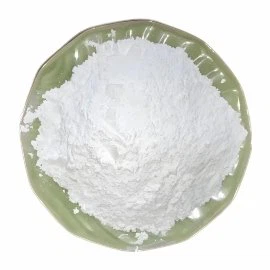

Fused silica powder is a versatile and widely used material in various industries, including electronics, ceramics, and refractories. As a supplier of fused silica powder, I understand the importance of handling this material safely to protect both workers and the environment. In this blog post, I will share some essential tips on how to handle fused silica powder safely.


Understanding Fused Silica Powder
Fused silica powder is made by melting high-purity silica sand at extremely high temperatures and then rapidly cooling it to form a glassy substance. It has excellent thermal stability, low thermal expansion, and high chemical resistance, making it an ideal material for many applications. However, like any fine powder, fused silica powder can pose health risks if not handled properly.
Personal Protective Equipment (PPE)
The first step in handling fused silica powder safely is to wear appropriate personal protective equipment (PPE). This includes:
- Respiratory Protection: A respirator with a high-efficiency particulate air (HEPA) filter is essential to prevent inhalation of fine silica dust. Make sure the respirator fits properly and is certified for use with silica dust.
- Eye Protection: Safety goggles or a face shield should be worn to protect the eyes from dust particles.
- Gloves: Chemical-resistant gloves should be worn to prevent skin contact with the powder.
- Protective Clothing: A long-sleeved shirt, long pants, and a dust-proof suit can help prevent skin exposure to the powder.
Storage and Handling
Proper storage and handling of fused silica powder are crucial to prevent dust generation and exposure. Here are some tips:
- Storage: Store fused silica powder in a dry, well-ventilated area away from heat and moisture. Keep the powder in sealed containers to prevent dust from escaping.
- Handling: When handling fused silica powder, use equipment that is designed to minimize dust generation, such as vacuum cleaners with HEPA filters or dust suppression systems. Avoid activities that can generate dust, such as sweeping or dry brushing.
- Transfer: When transferring fused silica powder, use sealed containers or transfer systems to prevent dust from escaping. Make sure the transfer area is well-ventilated.
Dust Control
Controlling dust is essential to prevent inhalation of silica dust. Here are some ways to control dust:
- Ventilation: Use local exhaust ventilation systems to capture and remove dust at the source. Make sure the ventilation system is properly maintained and functioning effectively.
- Wet Methods: Use wet methods, such as wet sweeping or wet cutting, to reduce dust generation. This can help prevent the release of dust into the air.
- Dust Suppression: Use dust suppression agents, such as water or chemical sprays, to reduce dust generation. These agents can help bind the dust particles together and prevent them from becoming airborne.
Training and Education
Proper training and education are essential for workers who handle fused silica powder. Here are some key points to cover in training:
- Health Risks: Educate workers about the health risks associated with silica dust exposure, including silicosis, lung cancer, and other respiratory diseases.
- Safe Handling Procedures: Train workers on proper handling procedures, including the use of PPE, storage and handling techniques, and dust control measures.
- Emergency Response: Provide workers with training on emergency response procedures in case of a spill or exposure to silica dust.
First Aid
In case of exposure to fused silica powder, it is important to provide immediate first aid. Here are some first aid measures:
- Inhalation: If a worker inhales silica dust, move them to a well-ventilated area and provide fresh air. If the worker is having difficulty breathing, seek medical attention immediately.
- Eye Contact: If silica dust gets into a worker's eyes, flush the eyes with plenty of water for at least 15 minutes. Seek medical attention if irritation persists.
- Skin Contact: If silica dust comes into contact with a worker's skin, wash the affected area with soap and water. If irritation persists, seek medical attention.
Conclusion
Handling fused silica powder safely is essential to protect the health of workers and the environment. By following the tips outlined in this blog post, you can minimize the risk of exposure to silica dust and ensure a safe working environment. If you have any questions or need further information on handling fused silica powder safely, please do not hesitate to contact us. We are a leading supplier of high-quality fused silica powder, including 1500 Mesh Fused Silica Powder, 1000 Mesh Fused Silica Powder, and 600 Mesh Fused Silica Powder. We are committed to providing our customers with the best products and services. If you are interested in purchasing fused silica powder, please contact us to discuss your requirements and get a quote.
References
- Occupational Safety and Health Administration (OSHA). (2016). Respirable Crystalline Silica. Retrieved from https://www.osha.gov/silica
- National Institute for Occupational Safety and Health (NIOSH). (2018). Current Intelligence Bulletin 68: Preventing Silicosis in Construction. Retrieved from https://www.cdc.gov/niosh/docs/2018-108/