


Hey there! As a supplier of high - purity silicon powder, I often get asked about the quality inspection items for this stuff. High - purity silicon powder is used in a wide range of industries, from electronics to construction, and ensuring its quality is super important. So, let's dive into what we look at when we're checking the quality of high - purity silicon powder.
Chemical Composition
The first and probably the most crucial aspect is the chemical composition. High - purity silicon powder should have a very high silicon content. Usually, we're aiming for a silicon purity of over 99%. Any impurities can affect the performance of the powder in its end - use applications.
For example, metals like iron, aluminum, and calcium are common impurities. Iron can cause electrical conductivity issues in electronic applications. We use advanced analytical techniques like inductively coupled plasma mass spectrometry (ICP - MS) to accurately measure the levels of these impurities. If the iron content is above a certain threshold, say 0.01%, it might not be suitable for Electronic Silica Powder applications.
Non - metallic impurities such as oxygen, carbon, and nitrogen also matter. Oxygen can form silicon oxides on the surface of the powder particles, which can change the reactivity and physical properties of the powder. Carbon can affect the electrical and thermal conductivity. We measure these non - metallic impurities through techniques like combustion analysis for carbon and nitrogen, and infrared absorption for oxygen.
Particle Size and Distribution
The particle size of high - purity silicon powder plays a huge role in its performance. Different applications require different particle sizes. For Electrical Silica Powder, a more uniform particle size distribution is often preferred.
We use laser diffraction particle size analyzers to measure the particle size and its distribution. The average particle size can range from a few micrometers to tens of micrometers, depending on the application. If the powder is too coarse, it might not disperse well in a matrix, which can lead to weak spots in a composite material. On the other hand, if it's too fine, it can be difficult to handle and might have a higher tendency to agglomerate.
The particle size distribution is also important. A narrow distribution means that most of the particles are around the same size, which can lead to more consistent performance. We calculate parameters like the D10, D50, and D90 values. The D50 value represents the median particle size, and we usually target specific D50 values based on the customer's requirements.
Surface Area
The surface area of the high - purity silicon powder particles is another key quality parameter. A larger surface area means more reactivity because there's more area available for chemical reactions.
We measure the surface area using the Brunauer - Emmett - Teller (BET) method. This method involves adsorbing a gas onto the surface of the powder particles and then measuring the amount of gas adsorbed. For applications where high reactivity is needed, like in some chemical synthesis processes, a higher surface area powder is preferred. However, for applications where stability is key, a lower surface area might be better.
Morphology
The morphology of the powder particles, or their shape, can also impact the performance of high - purity silicon powder. We use scanning electron microscopy (SEM) to take a close look at the particle shape.
Particles can be spherical, angular, or irregular. Spherical particles generally have better flowability and packing density. They can also disperse more easily in a liquid or a matrix. Angular particles, on the other hand, can provide better mechanical interlocking in composite materials, which can enhance the strength.
The surface smoothness of the particles also matters. Rough - surfaced particles might have more active sites for chemical reactions but can also lead to higher friction and wear in some applications.
Purity of Crystalline Structure
The crystalline structure of high - purity silicon powder is important, especially for applications in the semiconductor industry. We use X - ray diffraction (XRD) to analyze the crystalline structure.

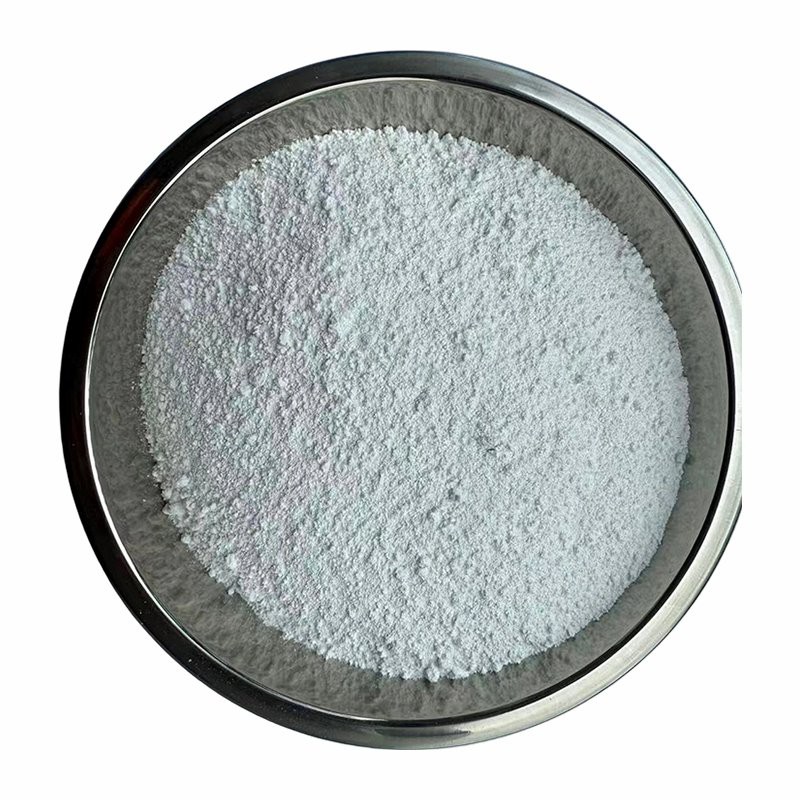
A highly pure and well - ordered crystalline structure is desirable for semiconductor applications. Any defects or impurities in the crystal lattice can affect the electrical properties of the silicon. For example, dislocations in the crystal structure can act as scattering centers for electrons, reducing the electrical conductivity.
Moisture Content
Moisture can have a significant impact on the quality of high - purity silicon powder. It can cause agglomeration of the particles, which can affect the flowability and dispersion of the powder. Moisture can also react with the silicon powder over time, leading to the formation of silicon oxides and other compounds.
We measure the moisture content using methods like the Karl Fischer titration. For most applications, we aim to keep the moisture content as low as possible, usually below 0.1%.
Bulk Density
Bulk density is the mass of the powder per unit volume in its loose, uncompacted state. It's an important parameter for handling and storage. A high bulk density means that more powder can be stored in a given volume, which can reduce storage costs.
We measure the bulk density by simply filling a container of known volume with the powder and then weighing it. The bulk density can be affected by factors such as particle size, shape, and surface roughness. For example, spherical particles tend to have a higher bulk density compared to irregularly shaped particles.
Flowability
Flowability is how easily the powder can flow. It's crucial for processes like powder filling, mixing, and conveying. Poor flowability can lead to blockages in equipment and inconsistent product quality.
We use methods like the angle of repose measurement to assess the flowability of the powder. A lower angle of repose indicates better flowability. Factors like particle size, shape, surface area, and moisture content can all affect the flowability of high - purity silicon powder.
If you're in the market for high - purity silicon powder and want to ensure that you're getting a product that meets your quality requirements, don't hesitate to reach out. We can provide detailed quality inspection reports and work with you to customize the product to your specific needs. Whether you need Ultra - fine Active Silica Powder or any other type of high - purity silicon powder, we've got you covered. Let's start a conversation about your procurement needs and see how we can work together!
References
- ASTM International standards for silicon powder analysis
- Textbooks on materials science and powder technology


