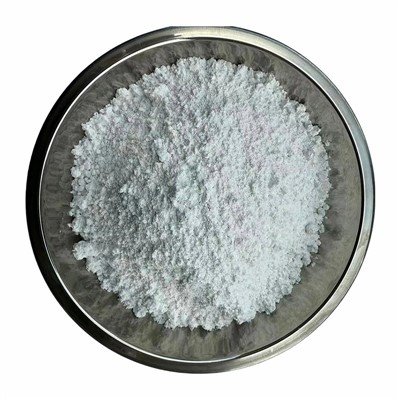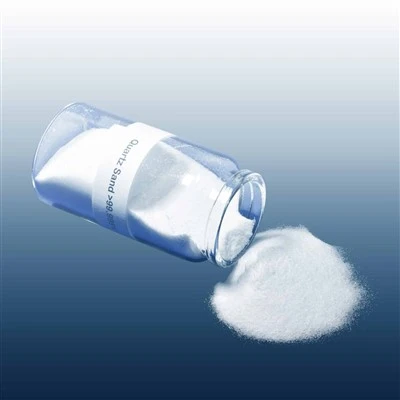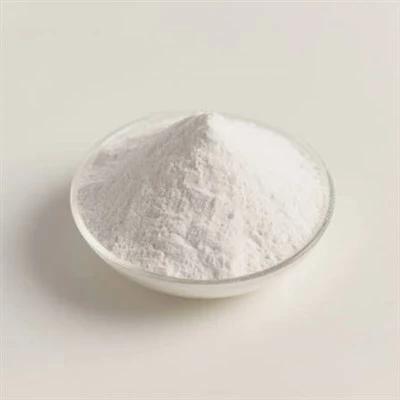

High-purity silica micropowder is a key raw material in the electronic materials, refractory materials, and ceramics industries. Its purity and particle size directly impact the performance of downstream products. The optimal method for preparing high-purity silica micropowder requires a comprehensive consideration of raw material purity, purification process, and particle size control technology. Currently, the mainstream optimization approach involves combining physical and chemical purification.
Physical purification is the foundation. First, high-purity vein quartz or fused quartz is selected as the raw material. Initial silica micropowder is obtained through mechanical pulverization and airflow classification. During this stage, strict control of equipment materials (such as using a polyurethane-lined ball mill) is required to prevent contamination by metallic impurities. Multi-stage airflow classification is used to control the particle size within the range of 0.1-100 microns.
Chemical purification is crucial. Acid washing (such as treatment with a hydrofluoric acid-nitric acid mixture) effectively removes metal oxide impurities such as aluminum and iron, while alkaline washing (sodium hydroxide solution) removes surface silicates. In recent years, high-temperature chlorination purification technology, which generates volatile chlorides through the reaction of chlorine with metal impurities, has been developed to increase the purity of silicon micropowder to over 99.99%, making it particularly suitable for semiconductor-grade applications.
Particle size control and surface modification are equally important. Spherical silicon micropowders can be produced using hydrothermal synthesis or sol-gel methods, exhibiting superior flowability to angular particles. Surface coating with silica further enhances acid and alkali resistance.
In a comprehensive comparison, the four-step process of "physical crushing - acid washing and purification - high-temperature chlorination refining - airflow classification" is currently the optimal solution for the industrial production of high-purity silicon micropowder (purity ≥99.95%). While maintaining a first-pass yield exceeding 90%, it can consistently produce ultrafine products with a D50 of 5 microns, meeting the demands of high-end electronic packaging materials. In the future, with the maturity of new technologies such as plasma purification, the purity limit of silicon micropowder is expected to exceed four decimal 9s.