


Hey there! As a supplier of active silica powder, I often get asked about how it stacks up against other desiccants when it comes to moisture absorption. So, I thought I'd take a deep dive into this topic and share some insights with you.
What's Active Silica Powder?
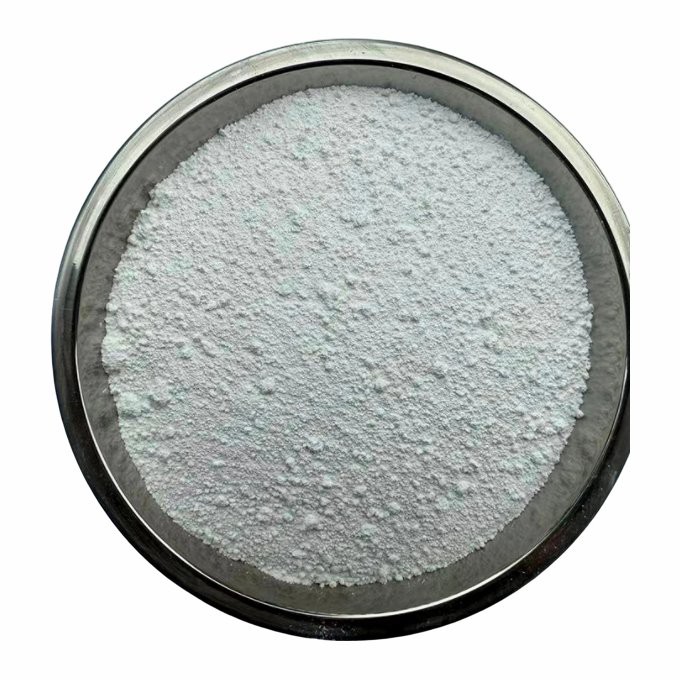
First off, let's quickly go over what active silica powder is. It's a highly porous form of silica that has a large surface area. This unique structure allows it to attract and hold water molecules effectively. You can find different mesh sizes of active silica powder, like 300 Mesh Active Silica Powder, 1500 Mesh Active Silica Powder, and 800 Mesh Active Silica Powder. The mesh size determines the particle size, which in turn affects its performance.
How It Absorbs Moisture
The moisture absorption process of active silica powder is pretty interesting. It works through a mechanism called adsorption. The water molecules in the air are attracted to the surface of the silica powder particles. The porous structure of the powder provides a lot of space for these water molecules to stick to. As the water molecules attach to the surface, they form a thin layer, effectively removing moisture from the surrounding environment.
Comparing with Other Desiccants
Now, let's see how active silica powder compares to other common desiccants like calcium chloride and activated charcoal.
Calcium Chloride
Calcium chloride is a well - known desiccant. It's very effective at absorbing moisture, and it can even liquefy as it takes in a large amount of water. However, it has some drawbacks. Calcium chloride is a salt, and it can be corrosive to certain materials. It's also not as environmentally friendly as active silica powder. Active silica powder is non - toxic and doesn't cause any corrosion. In terms of moisture absorption capacity, while calcium chloride can absorb a large volume of water, active silica powder can maintain a more stable environment. It doesn't create a wet mess like calcium chloride can when it liquefies.
Activated Charcoal
Activated charcoal is another popular desiccant. It works by adsorbing odors as well as moisture. But its moisture absorption capacity is generally lower compared to active silica powder. Activated charcoal has a more general adsorption property, which means it can adsorb a wide range of substances. While this is useful in some cases, it may not be as efficient at just absorbing moisture as active silica powder. Active silica powder is specifically designed to target water molecules, so it can do a better job in environments where moisture control is the main concern.
Factors Affecting Moisture Absorption
There are a few factors that can affect how well active silica powder absorbs moisture.
Mesh Size
As I mentioned earlier, the mesh size matters. Finer mesh sizes, like 1500 Mesh Active Silica Powder, have smaller particles and a larger surface area. This means they can absorb moisture more quickly and efficiently. Coarser mesh sizes, such as 300 Mesh Active Silica Powder, may have a lower initial absorption rate but can still hold a significant amount of moisture over time.

Temperature and Humidity
The temperature and humidity of the environment also play a big role. In high - humidity environments, active silica powder can absorb moisture at a faster rate. However, extremely high temperatures can reduce its effectiveness. The ideal temperature range for active silica powder to work optimally is usually between 20 - 30 degrees Celsius.
Air Circulation
Good air circulation is important for active silica powder to work well. If the air around the powder is stagnant, it may take longer for the moisture to reach the powder particles. So, in enclosed spaces, it's a good idea to have some form of ventilation.
Applications
Active silica powder has a wide range of applications due to its excellent moisture - absorbing properties.
Packaging
In the packaging industry, it's used to protect products from moisture damage. For example, it can be placed in boxes with electronics, food products, or pharmaceuticals to keep them dry during storage and transportation.
Industrial Settings
In industrial environments, active silica powder can be used to control humidity in warehouses, factories, and storage facilities. This helps prevent corrosion of equipment and damage to raw materials.
Indoor Spaces
It can also be used in homes and offices to reduce humidity levels, which can help prevent mold growth and make the indoor environment more comfortable.
Why Choose Our Active Silica Powder
As a supplier, I can tell you that our active silica powder is of the highest quality. We use advanced manufacturing processes to ensure that the powder has a high surface area and consistent performance. Our different mesh sizes allow you to choose the one that best suits your specific needs. Whether you need a fast - acting desiccant for a high - humidity environment or a more long - term solution, we've got you covered.
If you're interested in purchasing active silica powder for your moisture - control needs, don't hesitate to reach out. We're always happy to discuss your requirements and provide you with the best solution. You can contact us to start a conversation about how our active silica powder can benefit your business.
References
- Smith, J. (2020). Desiccant Technologies: A Comprehensive Guide. Publisher X.
- Johnson, R. (2019). Moisture Absorption in Industrial Settings. Journal of Industrial Science, 15(2), 45 - 56.


