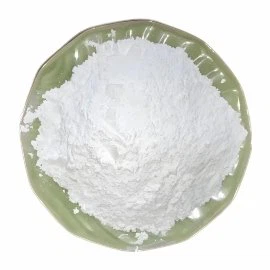

Hey there! As a supplier of Electronic Silica Powder, I've seen firsthand how its density can have a huge impact on product design. In this blog, I'm gonna break down what density means in the context of Electronic Silica Powder and how it affects different aspects of product design.
What is Electronic Silica Powder Density?
First things first, let's talk about what density is. Density is basically how much mass is packed into a certain volume. For Electronic Silica Powder, it's measured in grams per cubic centimeter (g/cm³). The density of this powder can vary depending on factors like the particle size, shape, and the manufacturing process.
We offer different types of silica powder, such as Ultrafine Silica Powder and Electrical Grade Active Silica Powder, each with their own unique density characteristics that are tailored to specific applications.
Impact on Product Weight
One of the most obvious ways density affects product design is in terms of weight. If you're designing an electronic product, weight can be a crucial factor. A higher density Electronic Silica Powder will add more weight to the product for the same volume compared to a lower density one.
For example, in portable electronics like smartphones or laptops, manufacturers are always trying to keep the weight down. Using a lower density Electronic Silica Powder can help achieve this goal without sacrificing other important properties. On the other hand, in some industrial electronics where weight is not a major concern but mechanical stability is, a higher density powder might be a better choice.
Influence on Mechanical Properties
The density of Electronic Silica Powder also plays a big role in the mechanical properties of the final product. Higher density powders usually result in a more compact and rigid structure. This is because the particles are packed closer together, providing better inter - particle bonding.
In products like circuit boards, a more rigid structure is beneficial as it can withstand vibrations and mechanical stresses better. However, it's important to find the right balance. If the density is too high, the product might become brittle and prone to cracking under certain conditions.
On the flip side, lower density powders can offer better flexibility. This can be useful in applications where the product needs to bend or conform to different shapes, such as flexible printed circuits.
Thermal Conductivity Considerations
Density can significantly affect the thermal conductivity of a product containing Electronic Silica Powder. Generally, higher density powders tend to have better thermal conductivity. This is because the closer packing of particles allows for more efficient heat transfer through the material.
In electronic devices, heat management is a critical issue. Many components generate a lot of heat during operation, and if this heat is not dissipated properly, it can lead to reduced performance and even damage to the device. Using a higher density Electronic Silica Powder can help in conducting heat away from the sensitive components, thus improving the overall reliability of the product.
However, there are also situations where lower thermal conductivity is desired. For example, in some insulation applications within electronics, a lower density powder can act as a better thermal insulator, preventing heat from transferring to other parts of the device.
Electrical Properties
When it comes to electrical properties, density can have mixed effects. In some cases, a higher density Electronic Silica Powder can improve electrical insulation. The closer packing of particles can reduce the presence of air gaps, which are potential sites for electrical breakdown.
But in applications where electrical conductivity needs to be enhanced (although silica is generally an insulator, sometimes controllable conductivity is required), a higher density might not always be ideal. The structure formed by high - density powders might restrict the movement of charge carriers. So, for products that require a certain level of electrical conductivity, such as antistatic electronic components, a careful selection of density is needed.

Flowability and Manufacturing Process
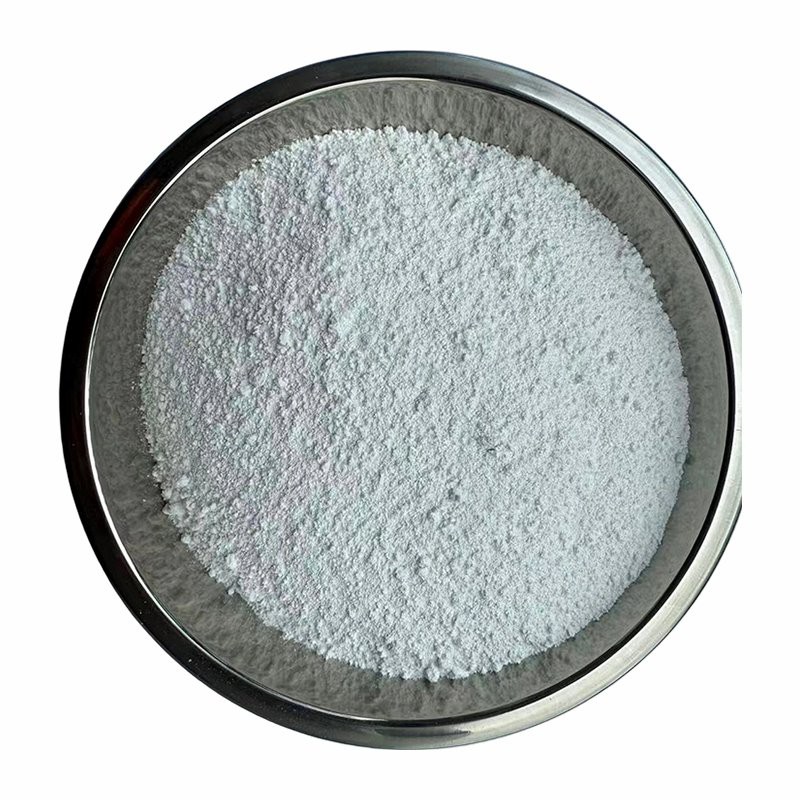
The density of Electronic Silica Powder also affects its flowability, which is an important aspect of the manufacturing process. Lower density powders often have better flowability because the particles are less likely to stick together.
This is beneficial in processes like injection molding or powder coating. In injection molding, good flowability ensures that the powder can fill the mold cavities evenly, resulting in a more uniform product. If the density is too high, the powder might not flow as easily, leading to issues like incomplete filling of the mold or uneven properties in the final product.
How to Choose the Right Density for Your Product Design
So, how do you decide which density of Electronic Silica Powder is right for your product? It all boils down to the specific requirements of your application.
- If weight is a major concern and you need a bit of flexibility, a lower density powder might be the way to go.
- For applications where mechanical stability and better thermal conductivity are crucial, a higher density powder could be more suitable.
- When it comes to electrical properties, if you need excellent insulation, a higher density might be better, but for controlled conductivity, you'll need to find the sweet spot.
We at our company understand that these decisions can be tricky. That's why we're always here to help. Our team of experts can work with you to understand your product design goals and recommend the most appropriate Electronic Silica Powder density for your needs.
Contact Us for Your Electronic Silica Powder Needs
If you're in the process of designing a new electronic product or looking to improve an existing one, and you think Electronic Silica Powder could be a part of your solution, don't hesitate to reach out. We're happy to have a chat about your requirements and see how our high - quality silica powders can fit into your product design. Whether it's about density, particle size, or any other property, we've got the knowledge and the products to support you.
References
- Smith, J. D. (2020). "Properties of Electronic Materials". Publisher: TechBooks Inc.
- Brown, A. M. (2019). "Innovations in Electronic Component Design". Journal of Electronic Design, 35(2), 78 - 92.