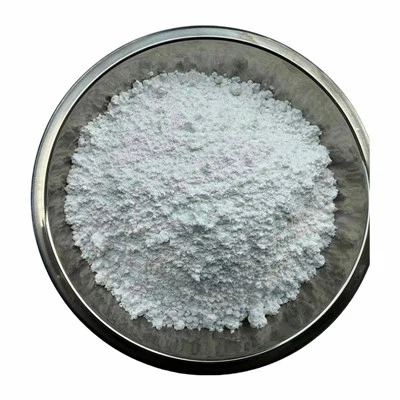


As a supplier of fused silica powder, I've witnessed firsthand how market competition can have a profound impact on the price of our product. Fused silica powder is a versatile material used in a wide range of industries, including electronics, ceramics, and aerospace. Its unique properties, such as low thermal expansion, high chemical resistance, and excellent electrical insulation, make it a valuable component in many applications. In this blog post, I'll explore the various ways in which market competition affects the price of fused silica powder and discuss how our company navigates these challenges.
Supply and Demand Dynamics
One of the primary factors influencing the price of fused silica powder is the balance between supply and demand. When demand for the product exceeds supply, prices tend to rise as suppliers can command higher prices due to limited availability. Conversely, when supply outstrips demand, prices typically fall as suppliers compete to sell their excess inventory.
In a competitive market, suppliers are constantly striving to meet the changing demands of their customers. This may involve increasing production capacity, improving product quality, or offering more competitive pricing. As a result, the supply of fused silica powder can fluctuate significantly, depending on market conditions.


For example, in recent years, the demand for fused silica powder has been growing steadily, driven by the expansion of the electronics and semiconductor industries. As a result, many suppliers have invested in new production facilities and technologies to increase their output and meet the growing demand. However, this has also led to an increase in competition among suppliers, which has put downward pressure on prices.
Pricing Strategies
In a competitive market, pricing strategies play a crucial role in determining the success of a supplier. There are several pricing strategies that suppliers can adopt, each with its own advantages and disadvantages.
One common pricing strategy is cost-plus pricing, where the supplier adds a markup to the cost of production to determine the selling price. This strategy ensures that the supplier covers its costs and makes a profit, but it may not be the most competitive pricing strategy in a market where prices are driven by supply and demand.
Another pricing strategy is value-based pricing, where the supplier sets the price based on the perceived value of the product to the customer. This strategy takes into account factors such as the quality of the product, its performance, and the benefits it provides to the customer. Value-based pricing can be effective in a market where customers are willing to pay a premium for high-quality products, but it requires a deep understanding of the customer's needs and preferences.
In addition to these pricing strategies, suppliers may also engage in price competition, where they lower their prices to gain market share. This strategy can be effective in the short term, but it may not be sustainable in the long term, as it can lead to lower profit margins and even losses.
Product Differentiation
In a competitive market, product differentiation is essential for suppliers to stand out from their competitors. Product differentiation refers to the process of creating a unique product or service that meets the specific needs and preferences of the customer.
There are several ways in which suppliers can differentiate their fused silica powder products. One way is to offer products with different particle sizes, shapes, and surface treatments. For example, our company offers 800 Mesh Fused Silica Powder, 1500 Mesh Fused Silica Powder, and 2000 Mesh Fused Silica Powder, each with its own unique properties and applications.
Another way to differentiate products is to offer value-added services, such as technical support, custom formulation, and just-in-time delivery. By providing these services, suppliers can build strong relationships with their customers and increase customer loyalty.
Quality and Certification
In a competitive market, quality is a key differentiator for suppliers. Customers are willing to pay a premium for high-quality products that meet their specific requirements and standards. As a result, suppliers must ensure that their fused silica powder products meet the highest quality standards.
One way to ensure product quality is to obtain relevant certifications, such as ISO 9001, which demonstrates that the supplier has a quality management system in place. Certifications can also help suppliers to build trust with their customers and differentiate themselves from their competitors.
In addition to certifications, suppliers must also invest in quality control measures, such as testing and inspection, to ensure that their products meet the desired specifications. By providing high-quality products and services, suppliers can increase customer satisfaction and loyalty, which can lead to increased sales and profitability.
Market Trends and Forecasts
To stay competitive in the market, suppliers must stay up-to-date with the latest market trends and forecasts. Market trends can provide valuable insights into the future demand for fused silica powder, as well as the factors that are likely to influence the price of the product.
For example, the growing demand for renewable energy sources, such as solar panels and wind turbines, is expected to drive the demand for fused silica powder in the coming years. Additionally, the increasing use of electric vehicles and consumer electronics is also likely to contribute to the growth of the fused silica powder market.
By monitoring market trends and forecasts, suppliers can make informed decisions about their production, pricing, and marketing strategies. This can help them to stay ahead of the competition and capitalize on emerging opportunities.
Conclusion
In conclusion, market competition has a significant impact on the price of fused silica powder. Supply and demand dynamics, pricing strategies, product differentiation, quality and certification, and market trends all play a role in determining the price of the product. As a supplier of fused silica powder, we must navigate these challenges by offering high-quality products, competitive pricing, and value-added services. By staying up-to-date with the latest market trends and forecasts, we can make informed decisions about our business and ensure our long-term success.
If you're interested in learning more about our fused silica powder products or would like to discuss your specific requirements, please don't hesitate to contact us. We look forward to the opportunity to work with you and provide you with the best possible solutions for your needs.
References
- Porter, M. E. (1980). Competitive Strategy: Techniques for Analyzing Industries and Competitors. Free Press.
- Kotler, P., & Armstrong, G. (2010). Principles of Marketing. Pearson Prentice Hall.
- Grant, R. M. (2010). Contemporary Strategy Analysis: Text and Cases Edition. Wiley.