



Ultra-fine active silica powder is a remarkable material with a diverse range of applications. As a supplier of this high - quality product, I am often asked about its potential use in the aerospace industry. In this blog, we will delve into the properties of ultra - fine active silica powder and explore whether it can indeed be used in the aerospace sector.
Properties of Ultra - fine Active Silica Powder
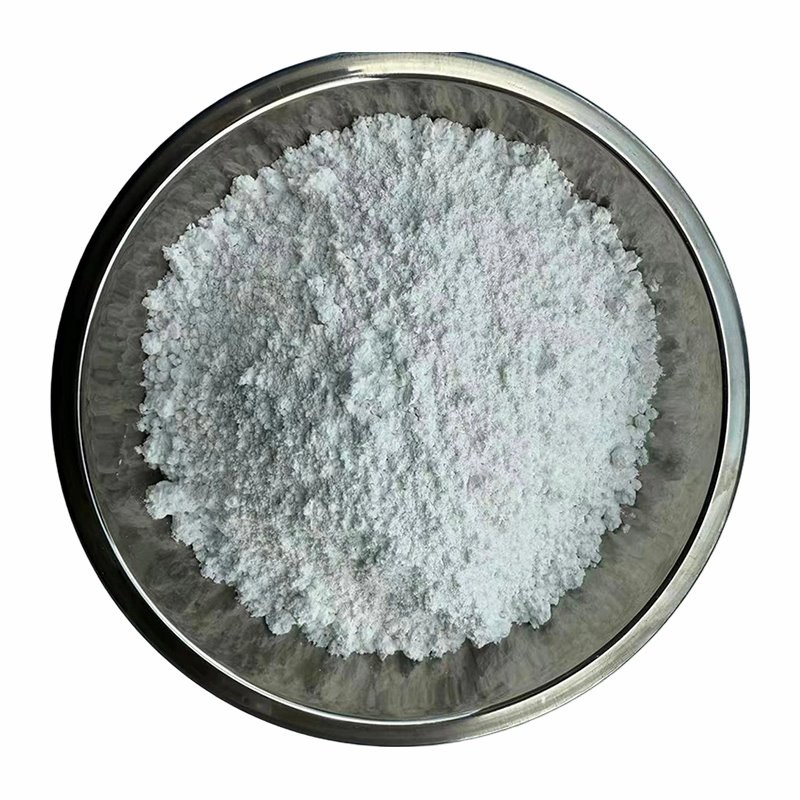
Ultra - fine active silica powder is characterized by its extremely small particle size, which typically ranges from nanometers to a few micrometers. This fine particle size gives it a large surface area, which enhances its reactivity and interaction with other materials. The powder is also highly pure, with a silica content often exceeding 99%.
One of the most important properties of ultra - fine active silica powder is its high thermal stability. It can withstand extremely high temperatures without significant degradation, which is crucial for applications in environments with intense heat. Additionally, it has excellent electrical insulation properties, making it suitable for use in electrical and electronic components. The powder also exhibits good mechanical strength and chemical resistance, which contribute to its durability in various conditions.
Potential Applications in Aerospace
Thermal Protection
In the aerospace industry, thermal protection is of utmost importance. During re - entry into the Earth's atmosphere, spacecraft are exposed to extremely high temperatures. Ultra - fine active silica powder can be used in the formulation of thermal protection systems. The high thermal stability of the powder allows it to act as an effective heat shield. When incorporated into composite materials, it can help dissipate heat and protect the underlying structure of the spacecraft. For example, it can be added to ceramic matrix composites, which are commonly used in aerospace thermal protection systems. The fine particles of the silica powder can fill the pores in the ceramic matrix, enhancing its thermal insulation properties and mechanical strength.
Electrical and Electronic Systems
Aerospace vehicles are equipped with a wide range of electrical and electronic systems. These systems require reliable insulation materials to prevent electrical short - circuits and ensure proper functioning. Ultra - fine active silica powder, with its excellent electrical insulation properties, can be used in the production of electrical components such as printed circuit boards (PCBs) and insulators. Electrical Grade Active Silica Powder is specifically designed for such applications. It can be used as a filler in epoxy resins to improve their electrical insulation performance. The fine particles of the powder can also enhance the mechanical properties of the epoxy resin, making it more resistant to vibration and shock, which are common in aerospace environments.
Composite Materials
Composite materials are widely used in the aerospace industry due to their high strength - to - weight ratio. Ultra - fine active silica powder can be used as a filler in composite materials to improve their mechanical and physical properties. When added to polymer matrix composites, it can increase the stiffness and strength of the composite. The large surface area of the powder allows for better interaction with the polymer matrix, resulting in improved load transfer and enhanced mechanical performance. Moreover, the chemical resistance of the silica powder can protect the composite from environmental degradation, such as moisture and chemical corrosion.
Sealants and Adhesives
Sealants and adhesives are essential for maintaining the integrity of aerospace structures. They are used to seal joints, prevent leakage, and bond different components together. Ultra - fine active silica powder can be incorporated into sealants and adhesives to improve their performance. Its high surface area and reactivity can enhance the adhesion strength of the materials. Additionally, the powder can improve the thixotropic properties of sealants and adhesives, making them easier to apply and preventing sagging during the curing process.
Challenges and Considerations
While ultra - fine active silica powder shows great potential in the aerospace industry, there are also some challenges and considerations that need to be addressed.
Cost
The production of ultra - fine active silica powder is a complex and energy - intensive process, which makes it relatively expensive. In the aerospace industry, where cost - effectiveness is always a concern, the high cost of the powder may limit its widespread use. However, as the production technology continues to improve, the cost is expected to decrease over time.

Handling and Safety
The fine particles of ultra - fine active silica powder can pose a health risk if inhaled. Therefore, proper handling and safety measures need to be taken during the production, transportation, and application of the powder. This includes the use of appropriate personal protective equipment, such as masks and gloves, and ensuring proper ventilation in the work area.
Compatibility
When using ultra - fine active silica powder in aerospace applications, its compatibility with other materials needs to be carefully considered. For example, in composite materials, the powder needs to be compatible with the polymer matrix to ensure good dispersion and bonding. In electrical applications, it needs to be compatible with the conductive and insulating materials in the electrical system.
Conclusion
In conclusion, ultra - fine active silica powder has significant potential for use in the aerospace industry. Its unique properties, such as high thermal stability, excellent electrical insulation, and good mechanical strength, make it suitable for a variety of applications, including thermal protection, electrical and electronic systems, composite materials, and sealants and adhesives. However, challenges such as cost, handling, and compatibility need to be carefully addressed.
As a supplier of ultra - fine active silica powder, we are committed to providing high - quality products and technical support to meet the specific needs of the aerospace industry. If you are interested in exploring the use of our ultra - fine active silica powder in your aerospace applications, we invite you to contact us for further discussion and procurement negotiations. We look forward to the opportunity to collaborate with you and contribute to the advancement of the aerospace industry.
References
- Gandhi, R. K. (2018). High - Temperature Materials and Structures for Aerospace Applications. Wiley.
- Harris, C. E. (2019). Engineering Materials for Aerospace Structures. Springer.
- Xie, H. (2020). Silica Nanoparticles: Synthesis, Properties, and Applications. CRC Press.


