


Density is a fundamental physical property that plays a crucial role in various fields, including materials science and electrical engineering. When it comes to electrical silica powder, understanding its density is essential for assessing its quality, performance, and suitability for specific applications. As a supplier of high - quality electrical silica powder, I aim to provide a comprehensive exploration of what the density of electrical silica powder is and its significance.
Understanding the Concept of Density
Before delving into the density of electrical silica powder specifically, it's important to understand what density means in general terms. Density is defined as the mass per unit volume of a substance. Mathematically, it is expressed as:
[ \rho=\frac{m}{V} ]
where (\rho) represents density, (m) is mass and (V) is volume. The SI unit of density is kilograms per cubic meter ((kg/m^{3})), but in practical terms, grams per cubic centimeter ((g/cm^{3})) is also commonly used. Different materials have different densities, which are determined by their atomic or molecular structure, as well as the way these atoms or molecules are packed together.
Factors Affecting the Density of Electrical Silica Powder
The density of electrical silica powder can be influenced by several factors:
Purity
The purity of electrical silica powder refers to the proportion of silica ((SiO_{2})) in the powder. Higher purity means a lower presence of impurities. Purer silica powder generally has a more consistent and predictable density. Impurities, such as metal oxides or other foreign substances, can disrupt the regular packing of silica particles, leading to variations in density. For example, if a batch of electrical silica powder contains a significant amount of iron oxide as an impurity, the density of the overall powder may deviate from that of pure silica due to the different density of iron oxide compared to silica.
Particle Size and Distribution
The size of the silica particles and their distribution also play a significant role in determining density. Finer particles of electrical silica powder tend to have a higher packing density because they can fit more closely together. In contrast, coarser particles may leave more voids between them, resulting in a lower bulk density. A narrow particle size distribution often leads to a more uniform packing and thus a more consistent density. Products like Ultrafine Silica Powder are specifically designed to have a very small and well - controlled particle size, which can offer certain density - related advantages in applications.
Crystal Structure
Silica exists in different crystal structures, such as quartz, cristobalite, and tridymite. Each of these crystal structures has a distinct atomic arrangement, which in turn affects the density. For example, quartz has a relatively high - density lattice structure compared to some other polymorphs of silica. The crystal structure of electrical silica powder can be influenced by the manufacturing process. Some high - performance applications may require silica powder with a specific crystal structure to achieve the desired density and other properties.
Typical Density Range of Electrical Silica Powder
The density of electrical silica powder can vary depending on the factors mentioned above. Generally, the true density of high - purity silica ((SiO_{2})) is around (2.65 g/cm^{3}). However, the bulk density of electrical silica powder, which takes into account the spaces between the particles, is usually lower.
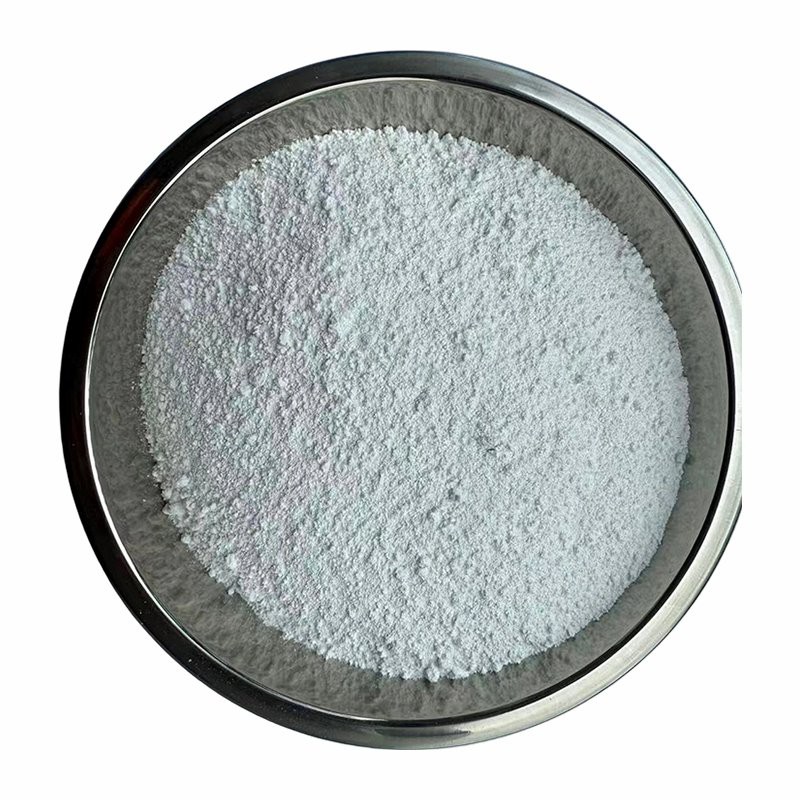
For a well - packed, high - quality Electrical Grade Active Silica Powder, the bulk density can range from approximately (0.5 - 0.7 g/cm^{3}). Meanwhile, Electronic Silica Powder, which is often used in more sensitive electronic applications and may have a very fine particle size and high purity, can have a bulk density somewhere in the range of (0.4 - 0.6 g/cm^{3}). These values are only approximate, and actual densities can vary depending on the specific manufacturing process and the characteristics of the powder.
Importance of Density in Electrical Applications
The density of electrical silica powder has several implications in electrical applications:
Electrical Insulation
In electrical insulation materials, the density of silica powder can affect the insulating properties. A higher - density packing of silica particles can reduce the porosity of the insulation material, making it more resistant to the penetration of electrical charges and preventing electrical breakdown. This is particularly important in high - voltage applications where safety and reliability are paramount.

Thermal Conductivity
Density also has a connection with thermal conductivity. Silica powder with a more uniform and higher density can sometimes facilitate better heat transfer. In electrical devices that generate heat during operation, efficient heat dissipation is crucial to prevent overheating and extend the lifespan of the components. For example, in power transformers, the use of silica powder with appropriate density can help in maintaining optimal operating temperatures.
Mechanical Properties
The mechanical properties of electrical composites incorporating silica powder are influenced by its density. A well - packed silica powder with an appropriate density can enhance the strength and stiffness of the composite material. This is important in applications where the electrical components need to withstand mechanical stress, such as in the construction of electrical enclosures or circuit boards.
Determining the Density of Electrical Silica Powder
There are several methods available for determining the density of electrical silica powder:
Pycnometer Method
A pycnometer is a small, precisely calibrated container. To measure the density using this method, a known mass of the silica powder is placed in the pycnometer. Then, a liquid (usually one that does not react with the powder, such as water or a non - polar solvent) is added, and the volume of the liquid displaced by the powder is measured. Using the mass of the powder and the volume of the displaced liquid, the density can be calculated according to the density formula (\rho = \frac{m}{V}).
Gas Pycnometry
Gas pycnometry is a more advanced technique. It uses an inert gas, such as helium, to measure the volume of the powder. The powder sample is placed in a chamber, and the gas is introduced. By measuring the pressure changes of the gas before and after it interacts with the powder, the volume of the powder can be accurately determined. This method is particularly useful for measuring the true density of the powder, as it can account for the internal pores within the particles.
Selecting the Right Electrical Silica Powder Based on Density
When choosing electrical silica powder for a specific application, density is an important consideration. For applications that require high - strength and low - porosity insulation, a powder with a relatively high bulk density may be preferred. On the other hand, if the focus is on achieving good thermal conductivity and flexibility in material processing, a powder with a lower density might be more suitable.
As a supplier of electrical silica powder, we have a diverse range of products to meet different customer needs. Our team of experts can provide detailed information on the density of each product and help you select the most appropriate one for your specific application. Whether you need Electrical Grade Active Silica Powder for high - voltage insulation or Electronic Silica Powder for delicate electronic components, we can offer customized solutions.
Conclusion
In conclusion, the density of electrical silica powder is a complex and important property that is influenced by factors such as purity, particle size, and crystal structure. It has significant implications for the electrical, thermal, and mechanical properties of materials in which electrical silica powder is used. By understanding the density and related aspects, customers can make more informed decisions when selecting electrical silica powder for their applications.
If you are in the market for high - quality electrical silica powder and would like to discuss your specific requirements, we invite you to contact us for a procurement discussion. Our team is ready to assist you in finding the perfect product to meet your needs.
References
- Callister, W. D., & Rethwisch, D. G. (2011). Materials Science and Engineering: An Introduction. Wiley.
- Wang, X., & Zhang, Y. (2015). Advanced Inorganic Materials. Tsinghua University Press.


