


Fused silica powder is a versatile and widely used material in various industries, including electronics, ceramics, and refractories. Its unique properties, such as high purity, low thermal expansion, and excellent chemical resistance, make it an ideal choice for many applications. One of the key factors that determine the price of fused silica powder is its hardness level. In this blog post, I will discuss the relationship between the hardness of fused silica powder and its price, and provide some insights into the market trends and factors that influence the cost.
Understanding Fused Silica Powder Hardness
Hardness is a measure of a material's resistance to indentation, scratching, or abrasion. In the case of fused silica powder, hardness is typically measured using the Mohs scale, which ranges from 1 (softest) to 10 (hardest). Fused silica has a Mohs hardness of approximately 7, which makes it relatively hard compared to many other materials. However, the hardness of fused silica powder can vary depending on several factors, including the manufacturing process, the purity of the raw materials, and the particle size distribution.
The manufacturing process plays a crucial role in determining the hardness of fused silica powder. There are two main methods for producing fused silica: the electric arc furnace method and the flame fusion method. The electric arc furnace method involves melting high-purity quartz sand in an electric arc furnace at temperatures of up to 2,000°C. This process results in a highly pure and dense fused silica product with a relatively high hardness. On the other hand, the flame fusion method involves melting quartz sand in a hydrogen-oxygen flame at temperatures of around 1,800°C. This method is less energy-intensive and can produce fused silica powder with a wider range of particle sizes and shapes, but the resulting product may have a slightly lower hardness compared to the electric arc furnace method.
The purity of the raw materials also affects the hardness of fused silica powder. High-purity quartz sand with low levels of impurities, such as iron, aluminum, and titanium, tends to produce fused silica powder with a higher hardness. Impurities can act as weak points in the crystal structure of the fused silica, making it more susceptible to indentation and scratching. Therefore, manufacturers often use high-purity quartz sand to produce fused silica powder for applications that require high hardness and wear resistance.
Particle size distribution is another important factor that influences the hardness of fused silica powder. Generally, smaller particle sizes result in a higher hardness due to the increased surface area and the more compact packing of the particles. Fused silica powder with a narrow particle size distribution and a high proportion of fine particles tends to have a higher hardness compared to powder with a wider particle size distribution and a higher proportion of coarse particles.
The Impact of Hardness on Fused Silica Powder Price
The hardness of fused silica powder has a significant impact on its price. Generally, fused silica powder with a higher hardness commands a higher price due to the increased manufacturing costs and the superior performance it offers in certain applications. The following are some of the key factors that contribute to the higher price of high-hardness fused silica powder:
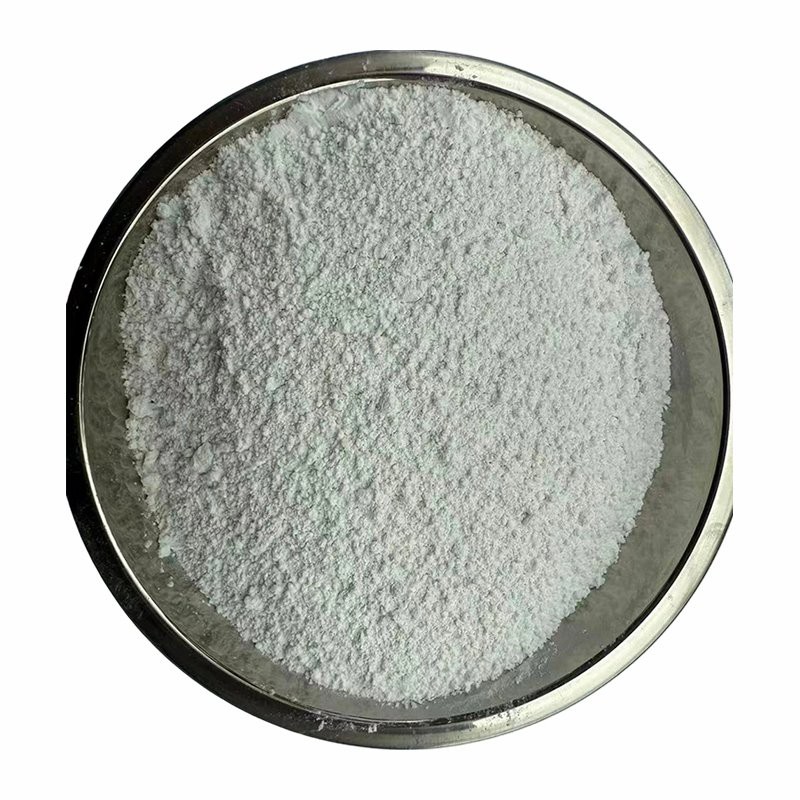

- Raw Material Costs: As mentioned earlier, high-purity quartz sand is required to produce fused silica powder with a high hardness. High-purity quartz sand is more expensive than lower-purity sand due to its limited availability and the additional processing steps required to remove impurities. Therefore, the cost of raw materials is higher for high-hardness fused silica powder, which is reflected in its price.
- Manufacturing Complexity: Producing fused silica powder with a high hardness often requires more complex manufacturing processes and specialized equipment. For example, the electric arc furnace method, which is commonly used to produce high-hardness fused silica powder, requires high temperatures and precise control of the melting process. This increases the energy consumption and the capital investment required for production, leading to higher manufacturing costs and a higher price for the final product.
- Performance Benefits: High-hardness fused silica powder offers superior performance in applications that require wear resistance, scratch resistance, and high mechanical strength. For example, in the electronics industry, high-hardness fused silica powder is used as a filler in printed circuit boards to improve their mechanical properties and durability. In the ceramics industry, it is used to produce high-strength ceramic products with excellent wear resistance. The performance benefits of high-hardness fused silica powder justify its higher price in these applications.
Market Trends and Factors Affecting Fused Silica Powder Price
In addition to hardness, several other market trends and factors can affect the price of fused silica powder. These include:
- Supply and Demand: The balance between supply and demand is a major factor that influences the price of fused silica powder. If the demand for fused silica powder exceeds the supply, prices are likely to increase. Conversely, if the supply exceeds the demand, prices may decrease. Factors such as economic growth, technological advancements, and changes in consumer preferences can all affect the demand for fused silica powder.
- Energy Costs: The production of fused silica powder requires a significant amount of energy, especially in the melting process. Therefore, fluctuations in energy costs can have a direct impact on the price of fused silica powder. For example, an increase in electricity or natural gas prices can lead to higher manufacturing costs and a higher price for the final product.
- Competition: The level of competition in the fused silica powder market can also affect prices. If there are many suppliers offering similar products, prices are likely to be more competitive. On the other hand, if there are only a few suppliers or if a particular supplier has a monopoly on a certain type of fused silica powder, prices may be higher.
- Quality and Purity Requirements: Different applications have different quality and purity requirements for fused silica powder. Higher-quality and higher-purity fused silica powder generally commands a higher price due to the additional processing steps and quality control measures required to produce it.
Our Offerings and Pricing
As a leading supplier of fused silica powder, we offer a wide range of products with different hardness levels to meet the diverse needs of our customers. Our products include 1000 Mesh Fused Silica Powder, Active Fused Silica Powder, and 600 Mesh Fused Silica Powder, each with its own unique properties and applications.
Our pricing strategy is based on a combination of factors, including the hardness level, the purity of the raw materials, the particle size distribution, and the manufacturing process. We strive to offer competitive prices without compromising on the quality of our products. Our sales team is always available to provide you with detailed pricing information and to help you select the most suitable fused silica powder for your specific application.
Contact Us for Procurement and Negotiation
If you are interested in purchasing fused silica powder or would like to discuss your specific requirements, please do not hesitate to contact us. Our experienced sales team will be happy to assist you with your procurement needs and to negotiate the best possible price for you. We are committed to providing our customers with high-quality products, excellent customer service, and competitive prices.
References
- "Fused Silica: Properties, Applications, and Market Trends." Industrial Minerals Magazine.
- "The Role of Hardness in Fused Silica Powder Performance." Journal of Materials Science.
- "Market Analysis of Fused Silica Powder." Global Market Insights.


