



Quality control is a critical aspect of producing Electrical Grade Active Silica Powder, ensuring that the final product meets the high - end requirements of the electrical industry. As a supplier of Electrical Grade Active Silica Powder, I am well - versed in the various quality control measures implemented throughout the production process.
Raw Material Inspection
The journey of quality control begins with the selection and inspection of raw materials. High - quality quartz is the primary raw material for Electrical Grade Active Silica Powder. We source our quartz from reliable mines with a proven track record of providing high - purity materials.
Before the raw quartz enters the production line, it undergoes a series of tests. Chemical analysis is conducted to determine the purity of the quartz. We use advanced techniques such as X - ray fluorescence (XRF) to accurately measure the content of various elements. For Electrical Grade Active Silica Powder, the silica (SiO₂) content should be extremely high, often above 99%. Any significant presence of impurities like iron, aluminum, or calcium can affect the electrical properties of the final product.
Physical properties of the raw quartz are also inspected. The particle size distribution, hardness, and density are measured. These properties can influence the subsequent processing steps and the quality of the final powder. For example, if the quartz has an uneven particle size distribution, it may lead to inconsistent grinding results.
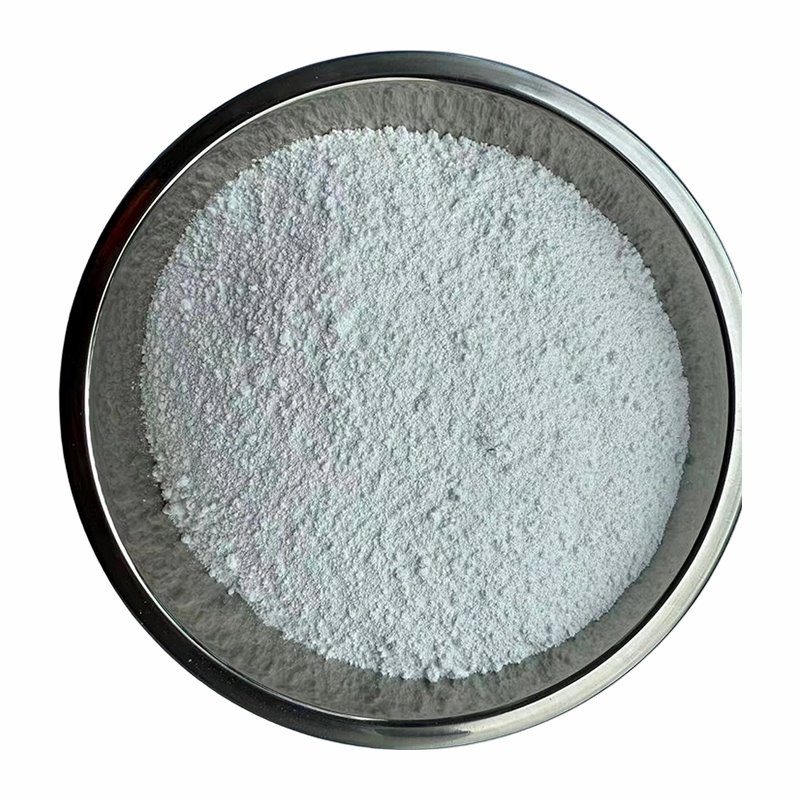

Grinding and Classification
Once the raw quartz passes the inspection, it moves on to the grinding stage. Grinding is a crucial step in producing Electrical Grade Active Silica Powder, as it determines the particle size of the final product. We use state - of - the - art grinding equipment, such as ball mills and jet mills, to achieve the desired particle size.
During the grinding process, continuous quality control is carried out. Online particle size analyzers are used to monitor the particle size distribution in real - time. This allows us to make immediate adjustments to the grinding parameters if the particle size deviates from the set specifications. For Electrical Grade Active Silica Powder, the particle size is typically in the range of a few micrometers to tens of micrometers, depending on the specific application.
After grinding, the powder is classified to separate particles of different sizes. Air classifiers are commonly used for this purpose. The classified powder is then inspected again to ensure that the particle size meets the requirements. Only the powder within the specified particle size range is sent for further processing.
Activation Process
Activation is a unique step in the production of Electrical Grade Active Silica Powder. It involves treating the silica powder with special chemicals to enhance its surface activity and improve its compatibility with other materials in electrical applications.
The activation process is carefully controlled. The type and amount of activating agents are precisely measured. We follow strict recipes and operating procedures to ensure consistent activation results. Temperature, pressure, and reaction time are also closely monitored during the activation process.
Quality control during activation includes testing the surface properties of the activated powder. Techniques such as Fourier - transform infrared spectroscopy (FTIR) are used to analyze the chemical bonds on the powder surface. The surface area and pore size distribution of the powder are also measured. These properties can affect the powder's ability to interact with other components in electrical insulation materials.
Purity Enhancement
To meet the high - purity requirements of the electrical industry, further purity enhancement steps are often necessary. One common method is acid leaching. The powder is treated with acids to dissolve any remaining impurities on the surface or within the particles.
During acid leaching, the concentration of the acid, the temperature, and the reaction time are carefully controlled. After leaching, the powder is thoroughly washed to remove the acid and dissolved impurities. A final purity check is then carried out using techniques such as inductively coupled plasma mass spectrometry (ICP - MS). This highly sensitive method can detect trace amounts of impurities, ensuring that the powder meets the strict purity standards for electrical applications.
Packaging and Storage
Once the Electrical Grade Active Silica Powder has passed all the quality control tests, it is ready for packaging. We use high - quality packaging materials that can protect the powder from moisture, dust, and other contaminants during transportation and storage.
The packaging process also undergoes quality control. The weight or volume of the powder in each package is accurately measured. The packaging is labeled with detailed information, including the product name, grade, particle size, purity, and batch number. This allows for easy traceability in case of any quality issues.
During storage, the powder is kept in a controlled environment. The temperature and humidity are maintained within a specific range to prevent any degradation of the powder quality. Regular inspections are carried out to ensure that the stored powder remains in good condition.
Final Product Testing
Before the product is shipped to customers, a comprehensive set of final product tests is conducted. Electrical properties such as dielectric constant, dielectric loss factor, and volume resistivity are measured. These properties are crucial for the performance of the powder in electrical insulation applications.
Mechanical properties, such as hardness and abrasion resistance, are also tested. The powder's chemical stability and compatibility with other materials are evaluated through various chemical tests. Only when the product passes all these tests is it considered ready for delivery.
Importance of Quality Control
Quality control in the production of Electrical Grade Active Silica Powder is of utmost importance. In the electrical industry, even a small deviation in the quality of the powder can lead to significant performance issues in electrical equipment. High - quality powder ensures reliable electrical insulation, reduces the risk of electrical breakdown, and improves the overall safety and efficiency of electrical systems.
As a supplier, maintaining strict quality control measures not only helps us meet the expectations of our customers but also builds long - term trust and reputation in the market. We are committed to providing our customers with the highest - quality Electrical Grade Active Silica Powder that meets or exceeds industry standards.
Conclusion
In conclusion, the production of Electrical Grade Active Silica Powder involves a series of complex processes, each of which requires strict quality control measures. From raw material inspection to final product testing, every step is carefully monitored to ensure the quality and performance of the powder.
If you are in the market for high - quality Electrical Silica Powder, Electronic Silica Powder, or Ultra - fine Active Silica Powder, we invite you to contact us for a detailed discussion on your specific requirements. Our team of experts is ready to assist you in finding the best solution for your electrical applications.
References
- ASTM International. Standard test methods for electrical insulating materials.
- ISO standards related to silica powder production and quality control.
- Technical literature from equipment manufacturers for grinding, activation, and testing.


