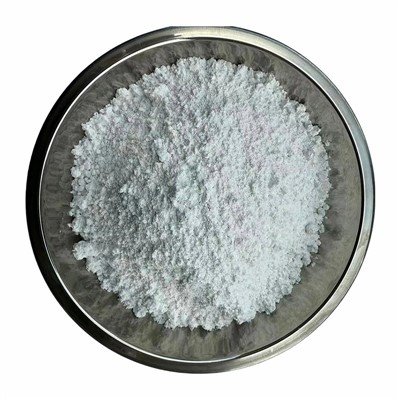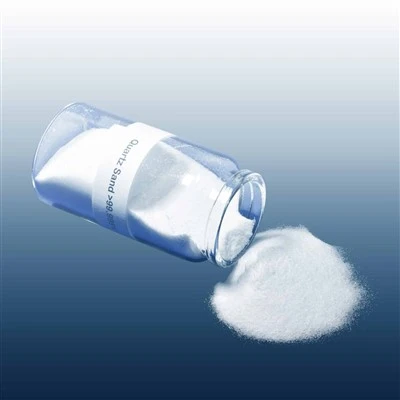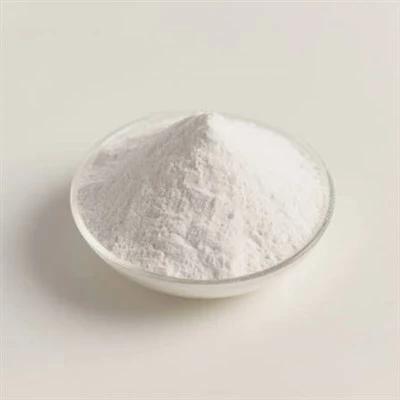

As a key raw material for electronic materials, semiconductor packaging, and the photovoltaic industry, high-purity silicon micropowder's development is closely linked to the upgrading of downstream high-end manufacturing. In recent years, with the rapid development of emerging technologies such as 5G communications, new energy vehicles, and artificial intelligence, market demand for high-purity silicon micropowder has continued to grow, and the industry is showing a significant trend of technology-driven, increasing concentration, and green development.
From a market demand perspective, the expansion of the semiconductor and photovoltaic industries is the core driving force behind the growth of high-purity silicon micropowder. In the semiconductor packaging field, high-purity silicon micropowder, as a filler, directly affects the thermal conductivity, insulation, and mechanical strength of chips. As chip manufacturing processes evolve towards smaller nanoscale levels, requirements for silicon micropowder purity (e.g., SiO₂ content ≥99.9%), particle size distribution, and sphericity continue to increase. In the photovoltaic industry, high-purity silicon micropowder is used in crucible coatings and as a crystal growth aid in the production of polycrystalline silicon and monocrystalline silicon. Its purity directly affects the quality of silicon ingots and the photoelectric conversion efficiency. On a technical level, the industry is moving towards ultrafine, high-purity, and spherical silicon powder. Traditional angular silicon powder is gradually being replaced by spherical silicon powder, which offers lower friction and improved flowability, making it suitable for high-end electronic packaging. Currently, the global spherical silicon powder market is primarily dominated by Japanese and Korean companies. However, domestic companies are gradually narrowing the gap with international standards by introducing advanced airflow milling and high-temperature spheroidization technologies. Some leading manufacturers have already achieved domestic silicon powder substitution for high-frequency, high-speed copper-clad laminates used in 5G base stations.
Policies and environmental protection requirements are also profoundly impacting the industry landscape. Under my country's "dual carbon" goals, silicon powder manufacturers face stricter energy consumption and emission standards, forcing them to optimize production processes and transition to green manufacturing. At the same time, industry concentration is gradually increasing, making companies with raw material self-sufficiency (such as quartz sand ore sources) and purification technology more competitive.
In the future, with the acceleration of semiconductor localization and the continued expansion of the new energy industry, the high-purity silicon powder industry is expected to maintain medium-to-high growth. Technological innovation and independent control of the supply chain will become key to corporate competitiveness.