


High-purity silica micropowder, as an important inorganic non-metallic material, is widely used in semiconductors, integrated circuit packaging, electronic substrates, coatings, and ceramics due to its excellent physical and chemical properties. With the rapid development of high-tech industries, the requirements for the purity, particle size distribution, and functionality of silica micropowder are constantly increasing, driving the continued in-depth research of its preparation technology and applications.
In terms of preparation methods, high-purity silica micropowder is mainly obtained through natural quartz purification and chemical synthesis. Natural quartz purification techniques include physical beneficiation (such as magnetic separation and flotation) and chemical treatment (acid leaching and alkali fusion), focusing on removing metallic impurities such as iron, aluminum, and titanium, as well as organic contaminants. In recent years, advanced processes such as high-temperature chlorination volatilization and vapor deposition have significantly improved the purity of silica micropowder, with some products reaching over 99.99%. Chemical synthesis, using silicon tetrachloride or silane as raw materials, is produced through flame hydrolysis or sol-gel methods. Although more expensive, it allows for precise control of particle size and morphology, making it suitable for high-end electronic packaging materials. In its application area, high-purity silicon micropowder is a key filler in semiconductor packaging materials. Its low thermal expansion coefficient and high thermal conductivity effectively enhance device reliability. In the 5G communications and new energy vehicle industries, spherical silicon micropowder, due to its excellent fluidity and high packing density, has become the preferred material for high-frequency, high-speed substrates. Furthermore, breakthroughs have been made in the application of nanoscale silicon micropowder in antimicrobial coatings and biomedical materials, with surface modification techniques further expanding its application scenarios.
Current research focuses on ultrapurification technology, precise particle size control, and functional modification. For example, plasma treatment or surface coating can be used to reduce the surface activity of silicon micropowder and improve its compatibility with organic matrices. As semiconductor manufacturing progresses towards sub-7nm processes, even higher requirements will be placed on defect control and doping uniformity in silicon micropowder. Research in this area will continue to advance towards high purity and high functionality, providing key support for high-end manufacturing.
Research Progress On High-Purity Silica Micropowder
Popular Products

Electrical Grade Treated Silica Powder
Electrical Grade Treated Silica Powder is a deep-processed version of our electrical-grade product. It starts with the
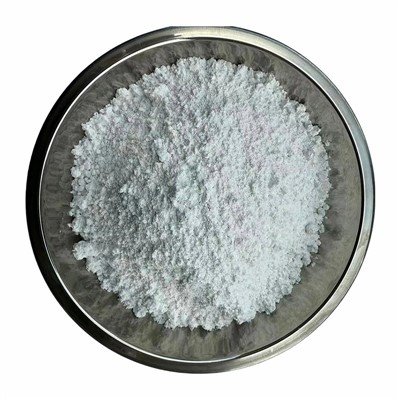
Electronic Grade Active Silica Powder
Electronic Grade Active Silica Powder is an upgraded product. It starts with Electronic Grade Silica Powder. Then we

Electronic Grade Silica Powder
Electronic Grade Silica Powder is one of the most critical materials in electronic packaging and component

Quartz Powder For Ceramics
Quartz Powder for Ceramics is one of the most important raw materials in the ceramic industry. Its quality directly
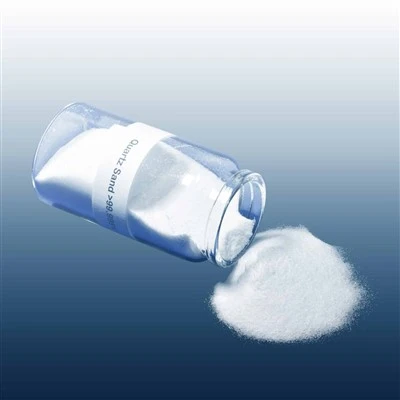
High Purity Quartz Filler
High Purity Quartz Filler is for applications that demand very high purity. In these cases, regular industrial fillers
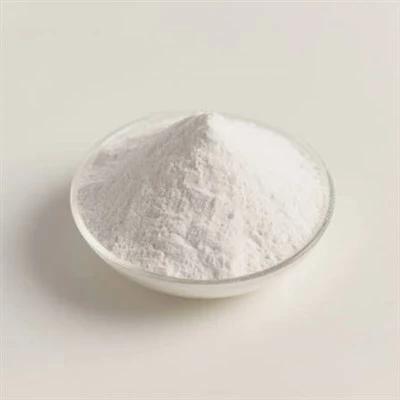
Silica Powder For Composite Materials
Silica Powder for Composite Materials is a special product for the composites industry. The demand for fillers in this