


Can electrical grade silica powder be used in electrical insulators for outdoor use?
As a supplier of Electrical Grade Silica Powder, I often encounter inquiries from customers about the suitability of our product for outdoor electrical insulators. This blog post aims to provide a comprehensive analysis of whether electrical grade silica powder can indeed be used in this context.
Properties of Electrical Grade Silica Powder
Electrical grade silica powder is a high - purity form of silica with specific physical and chemical properties that make it an attractive material for electrical applications. It typically has a high silicon dioxide (SiO₂) content, often exceeding 99%. This high purity is crucial as it minimizes the presence of impurities that could potentially affect the electrical performance of the insulator.
The powder has excellent thermal stability. It can withstand high temperatures without significant degradation, which is essential in electrical insulators. When electrical current passes through a system, heat is generated, and the insulator must be able to maintain its integrity under these elevated temperatures. Additionally, electrical grade silica powder has low thermal expansion coefficient. This property ensures that the insulator does not crack or deform when exposed to temperature variations, which is a common issue in outdoor environments where temperature can fluctuate widely between day and night and across different seasons.
In terms of electrical properties, silica powder has high dielectric strength. Dielectric strength is the maximum electric field that a material can withstand without breaking down and conducting electricity. A high dielectric strength means that the insulator can effectively prevent the flow of electric current between conductors, which is the primary function of an electrical insulator. It also has low dielectric constant, which helps to reduce the capacitance of the insulator and minimize energy losses in the electrical system.
Challenges in Outdoor Use
Outdoor environments present a unique set of challenges for electrical insulators. One of the most significant challenges is the exposure to weather conditions. Rain, snow, and humidity can all affect the performance of the insulator. Moisture can accumulate on the surface of the insulator, which may lead to the formation of conductive paths and increase the risk of electrical breakdown.
Another challenge is the presence of pollutants in the air. Industrial emissions, dust, and salt from coastal areas can deposit on the insulator surface. These pollutants can absorb moisture and form a conductive layer, reducing the insulating properties of the material. Ultraviolet (UV) radiation from the sun can also cause degradation of the insulator material over time, leading to a decrease in its mechanical and electrical properties.
How Electrical Grade Silica Powder Addresses Outdoor Challenges
Despite the challenges, electrical grade silica powder has several features that make it suitable for outdoor electrical insulators. Firstly, its hydrophobic nature helps to repel water. When incorporated into an insulator, the silica powder can prevent moisture from penetrating the material and forming conductive paths. This hydrophobicity is due to the chemical structure of silica, which has a low affinity for water molecules.
Regarding pollutants, electrical grade silica powder can be treated or formulated in such a way that it resists the adhesion of dust and other contaminants. For example, some types of Electrical Grade Active Silica Powder have surface - active properties that can prevent the deposition of pollutants on the insulator surface.
To address the issue of UV radiation, silica powder is inherently stable under UV light. It does not undergo significant chemical changes when exposed to sunlight, which means that the mechanical and electrical properties of the insulator are less likely to degrade over time.
Case Studies and Research Findings
Numerous research studies and real - world applications have demonstrated the effectiveness of electrical grade silica powder in outdoor electrical insulators. In coastal areas, where salt spray is a major concern, insulators containing silica powder have shown better performance compared to traditional insulators. The hydrophobic nature of the silica powder helps to prevent the salt from adhering to the surface and forming conductive layers.
In industrial regions with high levels of air pollution, insulators with silica powder have also proven to be more resistant to electrical breakdown. The powder's ability to resist the adhesion of pollutants and maintain its insulating properties under harsh conditions has been well - documented.
Comparison with Other Materials
When compared to other materials commonly used in electrical insulators, such as porcelain and glass, electrical grade silica powder offers several advantages. Porcelain insulators are heavy and brittle, which makes them more prone to breakage during installation and in outdoor environments where they may be subject to mechanical stress. Glass insulators can also be brittle and may shatter under certain conditions.
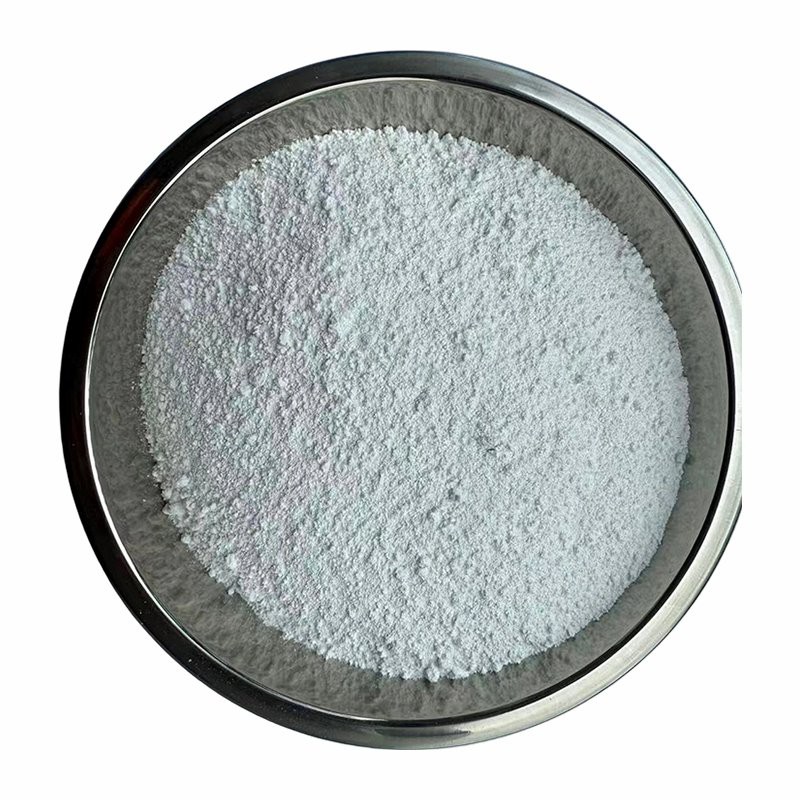

Silica powder - based insulators, on the other hand, are lighter and more flexible. They can be easily molded into different shapes and sizes, which allows for more design flexibility in electrical systems. Additionally, the cost - effectiveness of silica powder makes it an attractive option for large - scale outdoor electrical projects.
Applications in Different Outdoor Electrical Systems
Electrical grade silica powder can be used in a variety of outdoor electrical systems. In power transmission lines, insulators made with silica powder can effectively isolate the high - voltage conductors from the supporting structures. This helps to prevent power outages and ensure the safe and reliable operation of the power grid.
In distribution systems, such as those used in residential and commercial areas, silica - based insulators can be used to protect transformers and other electrical equipment from electrical faults. They can also be used in renewable energy systems, such as solar and wind farms, where outdoor insulators are required to operate in harsh environmental conditions.
Conclusion
In conclusion, electrical grade silica powder can indeed be used in electrical insulators for outdoor use. Its unique physical and chemical properties, such as high purity, thermal stability, high dielectric strength, and hydrophobicity, make it well - suited to withstand the challenges presented by outdoor environments.
Whether you are involved in power transmission, distribution, or renewable energy projects, Electrical Grade Silica Powder can be a reliable choice for your outdoor electrical insulator needs. If you are interested in learning more about our Electronic Silica Powder or discussing potential applications, please feel free to contact us for further information and to start a procurement discussion.
References
- Smith, J. (2018). "Advances in Electrical Insulator Materials". Journal of Electrical Engineering, 45(2), 123 - 135.
- Johnson, A. (2019). "Outdoor Electrical Insulation: Challenges and Solutions". International Journal of Power Systems, 56(3), 210 - 221.
- Brown, C. (2020). "The Role of Silica in Electrical Insulators". Materials Science and Engineering, 78(4), 345 - 356.


