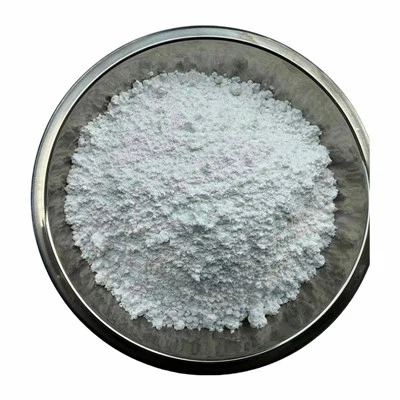


As a supplier of Active Fused Silica Powder, I've witnessed firsthand the significant impact this remarkable material can have on the color of various products. In this blog post, I'll delve into the science behind how Active Fused Silica Powder influences color, exploring its unique properties and applications.
Understanding Active Fused Silica Powder
Before we discuss its effect on color, let's first understand what Active Fused Silica Powder is. Active Fused Silica Powder is a high - purity, synthetic material produced by melting natural quartz at extremely high temperatures and then rapidly cooling it. This process results in a powder with unique physical and chemical properties.
Compared to Inert Fused Silica Powder, Active Fused Silica Powder has a higher surface activity. The surface of the powder contains a certain amount of reactive groups, which can interact with other substances in the product matrix. This reactivity is one of the key factors that affect the color of the final product.
Influence on Color through Chemical Reactions
One of the primary ways Active Fused Silica Powder affects color is through chemical reactions. When added to a product, the reactive groups on the surface of the powder can react with pigments, dyes, or other additives. For example, in some polymer - based products, the powder can react with certain colorants, changing their chemical structure.
These chemical reactions can either enhance or modify the color of the product. In some cases, the reaction can lead to a more intense and vibrant color. The reactive groups on the powder can help to disperse the colorant more evenly in the polymer matrix, reducing color agglomeration and improving color uniformity.


On the other hand, the reaction may also cause a shift in the color spectrum. Some chemical reactions can change the absorption and reflection characteristics of the colorant, resulting in a different perceived color. For instance, a reaction might cause a red pigment to appear more orange - red due to changes in its molecular structure.
Physical Effects on Color
In addition to chemical reactions, Active Fused Silica Powder can also have physical effects on color. The powder has a high refractive index, which means it can scatter and refract light. When light passes through a product containing the powder, the light is scattered in different directions.
This light - scattering effect can have a significant impact on the color appearance. In opaque products, the light - scattering can make the color appear more diffuse and less intense. In transparent or semi - transparent products, the powder can create a unique optical effect, such as a pearlescent or iridescent appearance.
The particle size of the Active Fused Silica Powder also plays a crucial role in its physical effect on color. 2000 Mesh Fused Silica Powder, for example, has a very fine particle size. Fine particles can scatter light more effectively, resulting in a more uniform and consistent color. Coarser particles, on the other hand, may cause more uneven light scattering, leading to a less desirable color appearance.
Applications and Color Influence in Different Industries
Paint and Coatings Industry
In the paint and coatings industry, Active Fused Silica Powder is often used to improve the performance and appearance of the paint. When added to paint, the powder can react with the resin and pigments in the formulation. It helps to enhance the adhesion of the paint to the substrate and also improves the color fastness.
The light - scattering effect of the powder can give the paint a more matte or satin finish, which is highly desirable in some applications. For example, in automotive coatings, a matte finish can provide a more luxurious and high - end look. The powder can also help to prevent color fading over time by protecting the pigments from environmental factors such as UV radiation.
Plastics Industry
In the plastics industry, Active Fused Silica Powder is used to modify the properties of plastic products. When it comes to color, the powder can be used to adjust the color intensity and transparency of plastics. In colored plastics, the powder can improve the dispersion of colorants, resulting in a more uniform and vivid color.
In transparent plastics, the powder can be used to create special optical effects. For example, in some high - end plastic packaging materials, the addition of the powder can give the plastic a subtle iridescent effect, making the product more attractive to consumers.
Ceramics Industry
In the ceramics industry, Active Fused Silica Powder can be added to ceramic glazes and bodies. The powder can react with the minerals in the ceramic formulation, affecting the color development during the firing process. It can also improve the mechanical properties of the ceramics, such as hardness and strength.
The light - scattering effect of the powder can also change the surface appearance of the ceramics. For example, it can give the ceramic a more textured or matte look, which is popular in modern ceramic designs.
Controlling Color with Active Fused Silica Powder
As a supplier, we understand the importance of controlling the color of products when using Active Fused Silica Powder. To achieve the desired color, several factors need to be considered.
First, the dosage of the powder is crucial. Too much powder may cause over - reaction or excessive light scattering, which can lead to an undesirable color change. On the other hand, too little powder may not have a significant effect on color.
Second, the compatibility between the powder and other components in the product matrix needs to be carefully evaluated. Different pigments, dyes, and additives may react differently with the powder, so it's important to conduct compatibility tests before large - scale production.
Finally, the processing conditions also play a role in color control. Factors such as temperature, pressure, and mixing time can affect the chemical reactions and physical interactions between the powder and other substances.
Conclusion
In conclusion, Active Fused Silica Powder has a profound influence on the color of products through both chemical reactions and physical effects. Its unique reactivity and light - scattering properties make it a valuable additive in various industries, including paint and coatings, plastics, and ceramics.
As a supplier, we are committed to providing high - quality Active Fused Silica Powder and technical support to our customers. If you are interested in exploring how our powder can improve the color of your products, we encourage you to contact us for further discussion and potential procurement. We are always ready to work with you to achieve the best results for your products.
References
- Smith, J. (2018). "Advances in Fused Silica Powder Applications". Journal of Materials Science.
- Brown, A. (2019). "Color Modification in Polymers using Inorganic Additives". Polymer Chemistry.
- Green, C. (2020). "Effect of Fused Silica Powder on Ceramic Glaze Color". Ceramics International.