



Hey there! As a supplier of Electrical Grade Silica Powder, I've seen firsthand how crucial the abrasion resistance of this stuff can be. So, let's dive into why it matters big time in the electrical industry.
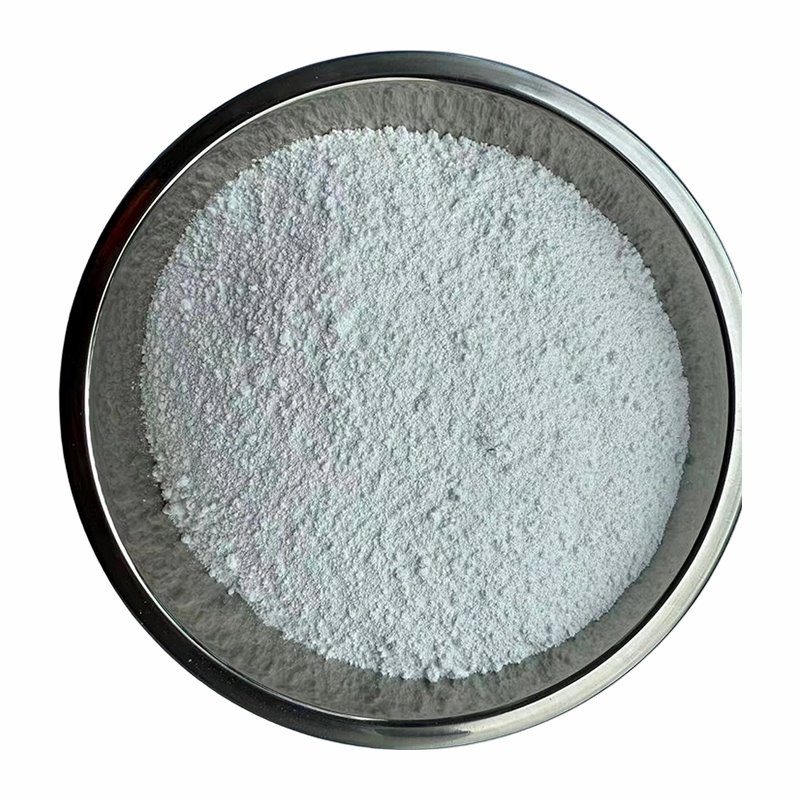
First off, what exactly is Electrical Grade Silica Powder? Well, it's a high - purity form of silica that's used in a whole bunch of electrical applications. You can check out more about it here: Electrical Silica Powder. It's got some amazing properties like good thermal stability, low thermal expansion, and high electrical insulation. But today, we're focusing on its abrasion resistance.
In electrical equipment, there are often moving parts or components that come into contact with each other. For example, in motors and generators, there are rotors and stators that spin and interact. If the materials used in these components don't have good abrasion resistance, they'll wear out quickly. That's where Electrical Grade Silica Powder steps in.
When this powder is added to the materials used in electrical components, it enhances their ability to withstand wear and tear. It acts like a shield, protecting the base material from being scratched or eroded by friction. This is super important because if the components start to wear out, it can lead to a whole host of problems.
One major issue is reduced performance. Let's say a motor has parts that are wearing down due to lack of abrasion resistance. The motor won't be able to spin as smoothly as it should, which means it won't be as efficient. It might consume more energy to do the same job, and that's not good for anyone. Higher energy consumption means higher costs for the end - user, and it's also not great for the environment.
Another problem is reliability. Electrical systems are supposed to work consistently over long periods of time. If the components are wearing out quickly, the system is more likely to break down. This can cause disruptions in industrial processes, power outages in homes and businesses, and a whole lot of headaches for everyone involved.
Now, let's talk about the different types of abrasion that Electrical Grade Silica Powder helps to combat. There's two main types: adhesive abrasion and abrasive abrasion.
Adhesive abrasion happens when two surfaces stick together slightly and then pull apart, causing small pieces of material to be torn off. This can occur in electrical contacts, for example. When the contacts are opened and closed repeatedly, adhesive abrasion can cause them to degrade. The silica powder in the contact materials helps to reduce this sticking and tearing effect, keeping the contacts in good working condition.
Abrasive abrasion, on the other hand, is when a hard surface rubs against a softer one, wearing it down. In electrical equipment, this can happen when there are bearings or gears that are in constant motion. The silica powder adds hardness and toughness to the materials, making them more resistant to this type of abrasion.
The particle size of the silica powder also plays a role in its abrasion - resistant properties. Ultrafine Silica Powder is often preferred in many applications because its smaller particles can fill in the gaps between the base material's molecules. This creates a more uniform and dense structure, which in turn improves the overall abrasion resistance.
In addition to motors and generators, Electrical Grade Silica Powder is also used in printed circuit boards (PCBs). PCBs are the backbone of most electronic devices, from smartphones to computers. During the manufacturing process of PCBs, there are steps where the boards are handled and processed, which can cause abrasion. By incorporating the silica powder into the PCB materials, manufacturers can ensure that the boards remain in good condition throughout the production process and during their lifetime of use.
It's also used in electrical insulation materials. Insulation is crucial for preventing electrical leakage and short - circuits. If the insulation material has poor abrasion resistance, it can get damaged easily, compromising its insulating properties. The silica powder helps to maintain the integrity of the insulation, providing long - term protection for the electrical system.
Now, you might be wondering how we test the abrasion resistance of Electrical Grade Silica Powder. There are several standard tests that are used in the industry. One common test is the Taber Abraser test. In this test, a sample of the material containing the silica powder is rubbed against a rotating abrasive wheel for a certain number of cycles. The amount of material that is worn off is then measured, and this gives an indication of the abrasion resistance.

Another test is the sandpaper abrasion test. In this test, a piece of sandpaper is rubbed against the sample, and the wear is evaluated. These tests help us to ensure that the silica powder we supply meets the high standards required by the electrical industry.
As a supplier, we're constantly working on improving the abrasion - resistant properties of our Electrical Grade Silica Powder. We're researching new manufacturing techniques and particle - size distributions to make it even more effective. We also work closely with our customers to understand their specific needs and develop customized solutions.
If you're in the electrical industry and you're looking for a reliable source of Electrical Grade Silica Powder, we'd love to hear from you. Whether you're a manufacturer of motors, PCBs, or any other electrical components, we can provide you with the high - quality powder that you need to enhance the abrasion resistance of your products.
You can also explore our Electronic Silica Powder for more options. We're here to help you solve your abrasion - related problems and make your electrical systems more efficient, reliable, and long - lasting. So, don't hesitate to reach out and start a conversation about your procurement needs.
References:
- ASTM International standards on abrasion testing
- Industry research papers on the properties of silica powder in electrical applications


