



Hey there! As a supplier of Electronic Silica Powder, I'm super excited to chat with you about its awesome applications in sensors. Electronic Silica Powder is a real game - changer in the sensor world, and I can't wait to share all the deets with you.
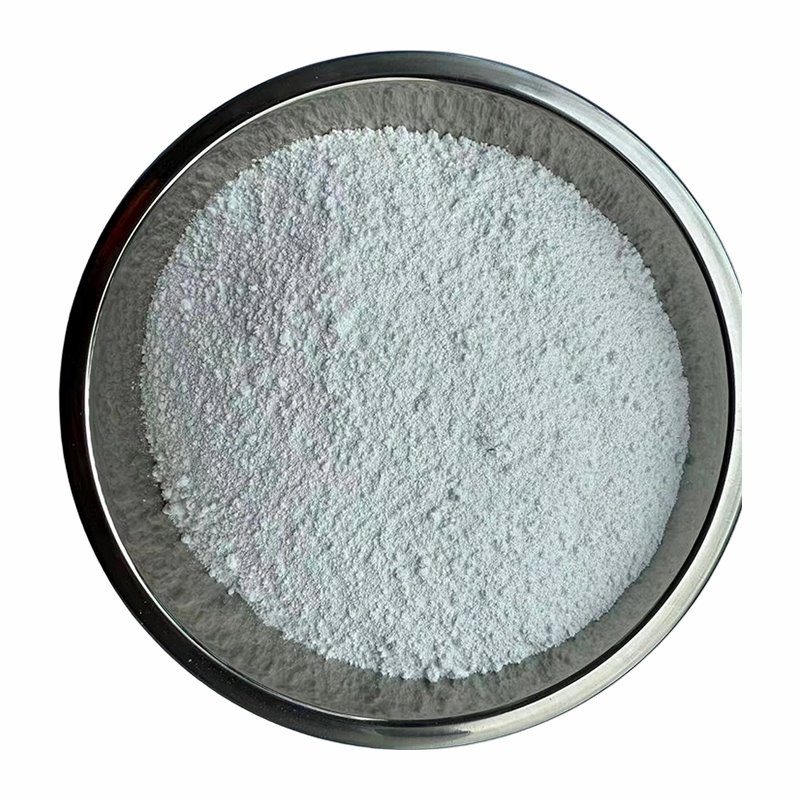
First off, let's understand what Electronic Silica Powder is. It's a high - purity form of silicon dioxide powder that has some really unique physical and chemical properties. We offer different types like Ultra - fine Active Silica Powder and Electrical Grade Active Silica Powder, which are tailored for various industrial needs. You can check out our Electronic Silica Powder page to learn more about the product range.
One of the most common applications of Electronic Silica Powder in sensors is in humidity sensors. Humidity sensors are everywhere, from our homes to industrial settings. They help us maintain the right level of moisture in the air, which is crucial for things like our comfort, the preservation of goods, and the proper functioning of electronic equipment.
Electronic Silica Powder has a high surface area and can adsorb and desorb water molecules easily. When the humidity in the environment changes, the amount of water adsorbed on the silica powder surface also changes. This, in turn, causes a change in the electrical properties of the powder, such as its resistance or capacitance. By measuring these electrical changes, we can accurately determine the humidity level in the air. The great thing about using silica powder in humidity sensors is its high sensitivity and stability. It can provide reliable humidity readings over a wide range of humidity levels and temperatures.
Another important application is in gas sensors. Gas sensors are used to detect the presence and concentration of various gases in the environment. This is vital in many industries, like environmental monitoring, safety systems, and the food and beverage industry.
Silica powder can be modified to selectively adsorb certain gases. For example, by doping the silica powder with specific metal oxides or other additives, we can make it more sensitive to particular gases. When the target gas comes into contact with the modified silica powder, it reacts with the powder's surface, causing a change in its electrical or optical properties. These changes can then be measured and used to determine the gas concentration.
Silica - based gas sensors have several advantages. They are relatively inexpensive to produce, have a fast response time, and can be miniaturized easily. This makes them suitable for a wide range of applications, from small handheld gas detectors to large - scale industrial monitoring systems.
In pressure sensors, Electronic Silica Powder also plays a significant role. Pressure sensors are used in automotive, aerospace, and industrial applications to measure pressure changes.
Silica powder can be used as a dielectric material in capacitive pressure sensors. When pressure is applied to the sensor, the distance between the capacitor plates changes, which in turn changes the capacitance. The silica powder, with its stable dielectric properties, helps to ensure accurate and reliable pressure measurements. It also provides good mechanical stability, which is important for withstanding the forces applied during pressure sensing.
Temperature sensors are yet another area where Electronic Silica Powder finds use. Temperature sensors are essential for controlling and monitoring temperature in various processes.
Silica has a relatively low thermal expansion coefficient, which means its dimensions change very little with temperature variations. This property makes it suitable for use in temperature - sensitive components. For example, in some types of temperature sensors, silica powder can be used as a substrate or a filler material. It helps to maintain the structural integrity of the sensor and reduces the influence of temperature - induced stress on the sensor's performance.
Now, let's talk about the benefits of using our Electronic Silica Powder in sensor applications. Firstly, our powder is of high purity, which means it has fewer impurities that could interfere with the sensor's performance. This results in more accurate and reliable sensor readings.
Secondly, we can customize the particle size and surface properties of the powder according to the specific requirements of the sensor application. Whether you need a very fine powder for high - sensitivity sensors or a coarser powder for applications where mechanical strength is more important, we can provide the right product.

We also offer excellent technical support. Our team of experts can help you choose the most suitable type of Electronic Silica Powder for your sensor design and provide guidance on how to optimize its performance.
If you're in the business of manufacturing sensors and are looking for a reliable supplier of Electronic Silica Powder, we'd love to hear from you. We understand the importance of quality and consistency in sensor production, and we're committed to providing you with the best products and services. Whether you're working on a small - scale project or a large - scale industrial application, we can meet your needs.
Don't hesitate to reach out to us to discuss your requirements. We can have a detailed conversation about how our Electronic Silica Powder can enhance the performance of your sensors and help you achieve your business goals.
In conclusion, Electronic Silica Powder has a wide range of applications in sensors, including humidity, gas, pressure, and temperature sensors. Its unique properties make it an ideal material for these applications, providing high sensitivity, stability, and reliability. As a supplier, we're dedicated to providing high - quality products and excellent service to our customers in the sensor industry.
References
- Jones, A. (2018). "Advanced Materials for Sensor Applications". Springer.
- Smith, B. (2020). "Handbook of Humidity and Moisture Measurement". Wiley.
- Brown, C. (2019). "Gas Sensors: Principles and Applications". Elsevier.


