



Hey there! As a supplier of Electronic Silica Powder, I've seen firsthand how humidity can mess with the performance of this stuff. So, I thought I'd share some insights on what humidity does to Electronic Silica Powder and why it matters.
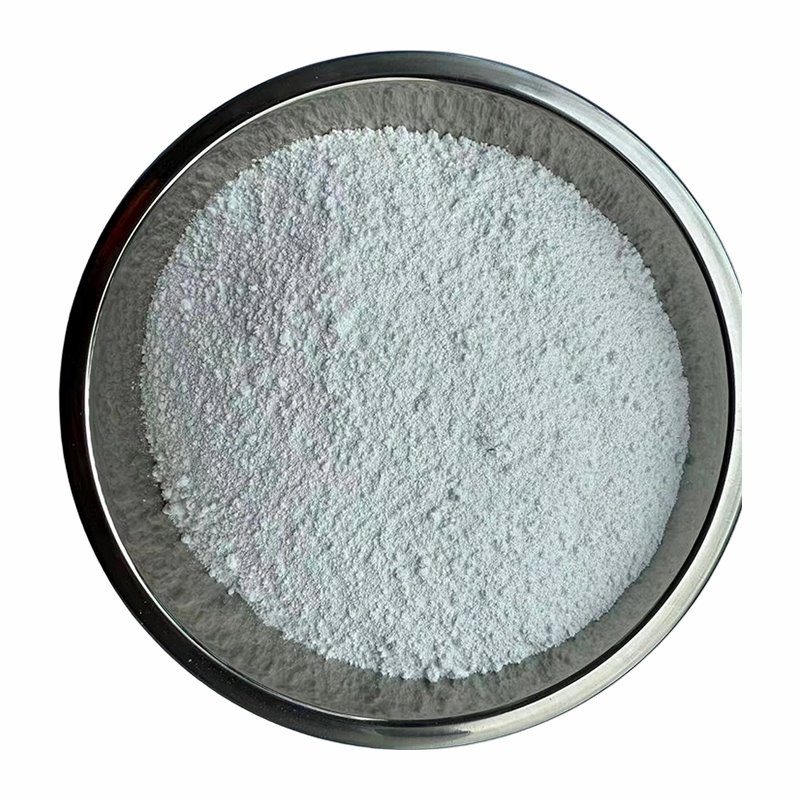
First off, let's talk about what Electronic Silica Powder is. It's a high - purity powder made from silicon dioxide. We use it in a bunch of electronic applications, like in semiconductors, printed circuit boards, and electronic packaging. You can check out more about Electronic Silica Powder on our website.
Now, humidity is basically the amount of water vapor in the air. And it can have some pretty significant effects on Electronic Silica Powder.
1. Absorption of Moisture
One of the most obvious things that happens when humidity is high is that the Electronic Silica Powder starts to absorb moisture. Silica has a porous structure, kind of like a sponge. When there's a lot of water vapor in the air, the powder just sucks it up.
This absorption can change the physical properties of the powder. For example, it can make the powder clump together. Instead of being a free - flowing powder, it turns into these little lumps. And in the manufacturing process, clumped powder is a real pain. It can clog up the machinery, and it's hard to mix evenly with other materials.
Moreover, the absorbed moisture can react with the powder chemically. Silica is generally stable, but water can sometimes act as a catalyst for certain reactions. This might lead to the formation of new compounds or the degradation of the powder over time.
2. Impact on Electrical Properties
Electronic Silica Powder is often used in applications where good electrical insulation is crucial. But when it absorbs moisture, its electrical properties can take a nosedive.
Water is a conductor of electricity to some extent. When the powder is saturated with moisture, it can start to conduct electricity, which is the exact opposite of what we want in most electronic applications. This can cause short - circuits, electrical leakage, and other problems in electronic devices.
For instance, in a printed circuit board, if the Electronic Silica Powder used in the insulating layer has absorbed too much moisture, it can disrupt the normal flow of electricity and lead to malfunctions in the device. And let's face it, nobody wants a phone or a computer that keeps acting up because of a moisture - damaged powder.
3. Effect on Thermal Conductivity
Thermal conductivity is another important property of Electronic Silica Powder. In many electronic devices, heat needs to be dissipated efficiently to prevent overheating.
Moisture can also have an impact on thermal conductivity. When the powder absorbs water, the water molecules can get in the way of the heat transfer process. Water has a different thermal conductivity compared to silica, and this can disrupt the overall heat flow through the material.
As a result, the device might not be able to cool down as effectively, which can lead to increased temperatures and reduced performance. Over time, high temperatures can also cause other components in the device to degrade faster.
4. Influence on Mechanical Strength
In some applications, Electronic Silica Powder is used to enhance the mechanical strength of materials. For example, in composite materials used in electronic packaging, the powder helps to make the material more rigid and durable.
But when humidity is high and the powder absorbs moisture, it can weaken the mechanical strength. The absorbed water can act as a lubricant between the powder particles, reducing the friction and adhesion between them. This means that the material is more likely to break or crack under stress.
5. Issues in Storage and Transportation
High humidity can also create a whole bunch of problems during storage and transportation. If the powder is stored in a warehouse with high humidity, it's going to start absorbing moisture right away. And if it's transported in a humid environment, the situation can get even worse.
We need to take extra precautions to protect the powder. This might involve using moisture - resistant packaging, like sealed bags or containers with desiccants. Desiccants are substances that absorb moisture and keep the environment inside the package dry.
However, these extra measures can add to the cost of storage and transportation. And if the humidity control fails at any point, we risk having a batch of unusable powder.

6. Solutions to Combat Humidity Effects
So, what can we do to deal with these humidity - related issues?
First, during the manufacturing process, we can dry the powder thoroughly before using it. This can be done by heating the powder in an oven at a specific temperature for a set period of time. The heat drives out the absorbed moisture, and the powder goes back to its original state.
Another solution is to store and transport the powder in a low - humidity environment. We can use dehumidifiers in the storage facilities to keep the humidity levels down. And for transportation, we can use special containers that are designed to maintain a dry interior.
We also offer Electrical Grade Active Silica Powder and Ultra - fine Active Silica Powder, which are treated to be more resistant to moisture absorption. These products have a modified surface structure that makes it harder for them to soak up water.
Let's Talk Business!
If you're in the market for high - quality Electronic Silica Powder, don't let humidity concerns hold you back. We've got the expertise and the products to ensure that you get a powder that performs well, even in less - than - ideal conditions.
Whether you're in the semiconductor industry, making printed circuit boards, or working on other electronic applications, we can provide you with the right type of Electronic Silica Powder. We understand the challenges that humidity poses, and we're committed to delivering products that meet your needs.
So, if you're interested in learning more about our products or want to discuss a potential purchase, just reach out. We're here to answer all your questions and help you find the best solution for your business.
References
- Smith, J. "The Properties and Applications of Silica Powders in Electronics." Journal of Electronic Materials, 2018.
- Brown, A. "Moisture Absorption in Porous Materials: A Review." Materials Science Review, 2019.
- Green, C. "Impact of Environmental Factors on Electronic Components." Electronic Engineering Journal, 2020.


