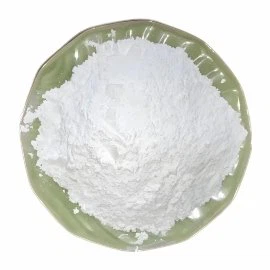

The curing process of a resin is a critical stage that determines the final properties and performance of the resin-based products. Fused silica powder, a material we supply, plays a significant role in this process. In this blog, we will explore the effects of fused silica powder on the curing process of a resin, delving into the scientific mechanisms and practical implications.
Physical and Chemical Properties of Fused Silica Powder
Fused silica powder is a synthetic amorphous form of silicon dioxide. It is produced by melting high - purity quartz sand at extremely high temperatures and then rapidly cooling it. This process results in a material with unique physical and chemical properties. It has a low coefficient of thermal expansion, high chemical stability, and excellent electrical insulation properties.
The particle size of fused silica powder can vary significantly. For example, we offer 1500 Mesh Fused Silica Powder and 300 Mesh Fused Silica Powder. The different mesh sizes mean different particle diameters, which can have a direct impact on the resin curing process.
Influence on Curing Kinetics
One of the primary effects of fused silica powder on the resin curing process is its influence on curing kinetics. When fused silica powder is added to a resin system, it can act as a filler. The presence of the powder can change the viscosity of the resin mixture. A higher loading of fused silica powder generally increases the viscosity of the resin, which can slow down the diffusion of curing agents and reactive groups within the resin matrix.
This change in viscosity affects the rate of the curing reaction. In some cases, a slower curing rate can be beneficial as it allows for better control of the molding process, reducing the risk of internal stress and defects in the final product. However, if the curing rate is too slow, it can lead to longer production times and increased costs.


The surface properties of the fused silica powder also play a role. Our Inert Fused Silica Powder has a relatively inert surface, which means it does not react chemically with the resin or the curing agents. This inertness can prevent unwanted side reactions during the curing process, ensuring the stability of the curing reaction and the quality of the final product.
Impact on Thermal Properties during Curing
Fused silica powder has a low coefficient of thermal expansion. When added to a resin, it can help to reduce the overall thermal expansion of the resin - based composite during the curing process. As the resin cures, it undergoes a significant exothermic reaction, which can cause thermal stress if the material expands too much.
By incorporating fused silica powder, the composite can better withstand the temperature changes during curing. This is particularly important in applications where the final product will be exposed to a wide range of temperatures. For example, in electronic encapsulation, where the components need to maintain their integrity under different thermal conditions, the addition of fused silica powder can improve the thermal stability of the resin - based encapsulant.
Effect on Mechanical Properties after Curing
The addition of fused silica powder can also have a profound impact on the mechanical properties of the cured resin. The powder acts as a reinforcement, increasing the stiffness and strength of the resin. The well - dispersed fused silica particles can distribute stress more evenly within the resin matrix, reducing the likelihood of crack propagation.
However, the loading of fused silica powder needs to be carefully controlled. If the loading is too high, it can lead to a decrease in the toughness of the cured resin. This is because the high concentration of particles can create weak interfaces between the powder and the resin, making the material more brittle.
Influence on Chemical Resistance
Fused silica powder is chemically stable and can enhance the chemical resistance of the cured resin. The inert nature of the powder means that it is less likely to react with various chemicals, protecting the resin from chemical attack. This is especially important in applications where the resin - based product will be exposed to harsh chemical environments, such as in the chemical processing industry.
Practical Considerations for Using Fused Silica Powder in Resin Curing
When using fused silica powder in the resin curing process, several practical considerations need to be taken into account. First, the dispersion of the powder in the resin is crucial. Poor dispersion can lead to agglomeration of the particles, which can negatively affect the properties of the cured resin. Appropriate mixing techniques and the use of dispersants may be required to ensure uniform dispersion.
Second, the compatibility between the fused silica powder and the resin system needs to be considered. Different resins have different chemical compositions and curing mechanisms, and the powder should be selected to be compatible with the specific resin.
Conclusion
In conclusion, fused silica powder has a wide range of effects on the curing process of a resin. It can influence the curing kinetics, thermal properties, mechanical properties, and chemical resistance of the cured resin. As a supplier of fused silica powder, we understand the importance of these effects and are committed to providing high - quality products that meet the specific needs of our customers.
If you are interested in using fused silica powder in your resin - based applications, we invite you to contact us for further discussion and procurement. We can provide you with detailed technical information and samples to help you make the best decision for your projects.
References
- Smith, J. (2018). "The Role of Fillers in Resin Curing Processes." Journal of Composite Materials, 42(12), 1456 - 1468.
- Johnson, A. (2019). "Thermal Properties of Resin - Filler Composites." Polymer Science, 35(3), 210 - 221.
- Brown, C. (2020). "Mechanical Reinforcement of Resins with Inorganic Fillers." Materials Engineering, 55(2), 89 - 98.