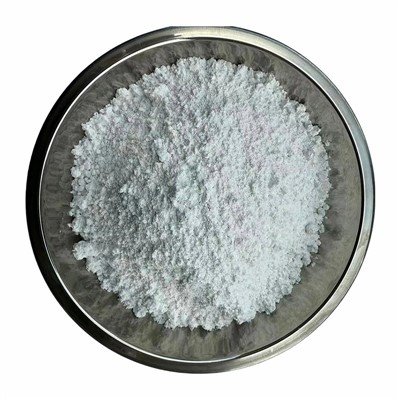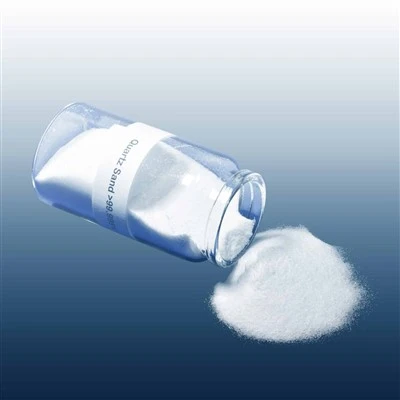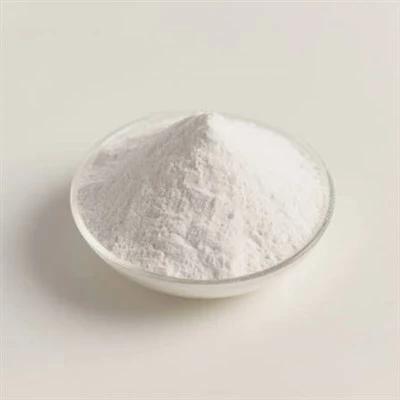

High-purity silica micropowder is an important inorganic non-metallic material widely used in integrated circuit packaging, electronic substrates, ceramics, coatings, and high-performance composite materials. Its technical specifications directly impact product performance and the quality of end applications, therefore its chemical composition, physical properties, and production process requirements must be strictly defined.
Chemical Composition Requirements
The silicon dioxide (SiO₂) content of high-purity silica micropowder is typically required to be ≥99.9%, with some high-end applications requiring even ≥99.99%. The content of impurities such as iron (Fe), aluminum (Al), calcium (Ca), and magnesium (Mg) must be strictly controlled, generally requiring Fe ≤ 50 ppm, Al ≤ 100 ppm, and the total amount of other metallic impurities to not exceed 200 ppm. Furthermore, harmful elements such as chlorine (Cl) and sulfur (S) must be kept to extremely low levels to ensure the material's stability in high-temperature or highly corrosive environments. Physical Property Standards
The particle size distribution of high-purity silica micropowder directly affects its filling properties and flowability. Laser particle size analysis is typically used for testing, with the D50 (median diameter) controlled within the 1-100 μm range, adjusted based on application requirements. The specific surface area generally ranges from 10-50 m²/g, and the bulk density from 0.4 to 0.8 g/cm³. The product's whiteness must be ≥90% to ensure compliance in applications requiring high optical or aesthetic qualities.
Production Process and Testing
High-purity silica micropowder is typically produced using chemical synthesis or natural quartz purification. Key processes include acid washing, high-temperature calcination, airflow milling, and precision classification. To ensure quality, each batch undergoes chemical composition analysis (e.g., ICP-OES), particle size distribution testing, specific surface area determination (BET method), and impurity content testing (e.g., ICP-MS).
In summary, the technical specifications for high-purity silica micropowder require strict control across multiple dimensions, including chemical purity, physical properties, and production processes, to meet the stringent requirements of high-end electronics and semiconductor industries.