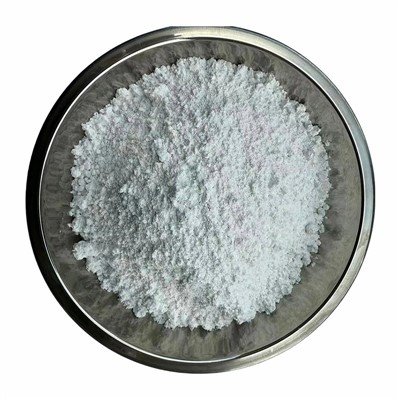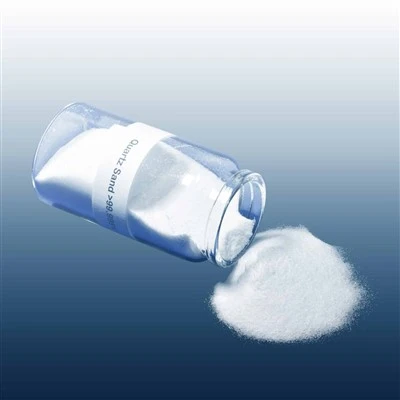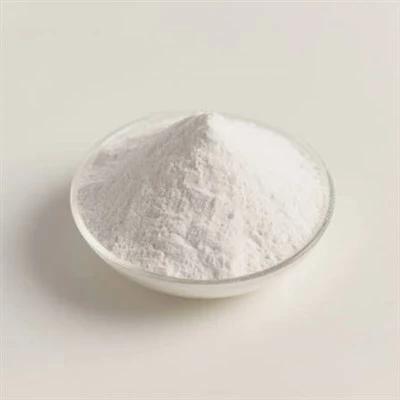

High-purity silicon powder is a critical material widely used in industries such as electronics, construction, and chemical manufacturing. Produced from carefully selected quartz, this silicon powder is refined to achieve exceptional purity levels, minimizing impurities that could affect performance in sensitive applications. High-purity silicon powder plays an essential role in producing semiconductor components, advanced ceramics, silicone compounds, and specialty chemical products. Its purity and particle size distribution are key factors in determining its suitability for various industrial processes.
The production of high-purity silicon powder typically involves sourcing high-quality quartz, followed by controlled thermal or chemical processes to eliminate impurities. Modern factories, such as Anhui Jingde County Chengxin Silicon Powder Factory, utilize advanced equipment and standardized production systems to ensure consistent quality. These systems control factors such as temperature, milling, and sieving, resulting in a powder with uniform particle size and minimal contamination. By maintaining these standards, manufacturers can deliver silicon powder suitable for both domestic and overseas clients, ensuring that industrial applications meet strict quality requirements.
High-purity silicon powder can be categorized based on particle size, surface area, and chemical purity. Fine powders with narrow particle distributions are preferred for electronics and semiconductors, where precise material properties are required for wafer production and other high-tech applications. Coarser powders with slightly broader distributions are used in construction materials, such as high-strength concrete or specialty cements, where uniformity is less critical but chemical consistency remains important. Understanding these differences helps companies select the right silicon powder type for their specific industrial needs.
Compared to standard silica powders, high-purity silicon powders provide enhanced performance in applications where impurities could negatively impact results. In the electronics industry, even trace metals or oxygen contaminants can reduce the efficiency of semiconductor devices or degrade dielectric properties in advanced circuits. In chemical applications, high-purity silicon ensures predictable reactions and uniform product characteristics, while in construction, it contributes to improved mechanical strength and durability of composite materials. Ongoing research in material refinement continues to improve particle uniformity, chemical stability, and thermal resistance, keeping high-purity silicon powder at the forefront of industrial innovation.
From an industry trend perspective, there is increasing demand for environmentally sustainable and traceable production methods. Suppliers are adopting cleaner processing techniques, reducing energy consumption, and improving waste management during silicon powder production. The use of locally sourced quartz not only supports regional economies but also reduces supply chain complexity. Staying informed about raw material availability, technological advances, and market trends allows industrial users to make cost-effective and sustainable sourcing decisions.
The application process for high-purity silicon powder depends on the industry. In electronics, the powder is typically handled in cleanroom environments to prevent contamination, followed by precise incorporation into semiconductor wafers or specialty coatings. In chemical manufacturing, it is blended with other compounds, requiring careful control of moisture content and particle distribution. In construction, the powder is mixed into cement or concrete formulations, where correct proportioning and thorough dispersion are essential for optimal material performance. Across all applications, proper storage in sealed, dry conditions helps maintain powder quality and consistency.
In conclusion, high-purity silicon powder is an indispensable material across multiple industries, providing high performance, reliability, and versatility. By understanding different types, production standards, raw material sources, and proper handling techniques, manufacturers and industrial users can optimize product outcomes, improve efficiency, and ensure consistent quality. Choosing a reputable supplier with advanced production capabilities, like Anhui Jingde County Chengxin Silicon Powder Factory, ensures that companies can rely on a steady supply of high-quality silicon powder to support their technological and industrial needs.