


Ordinary silica powder is an inorganic, non-metallic powder material made primarily from quartz through a process of crushing, grinding, and purification. It exhibits excellent chemical stability, high insulation, and good filling properties. Its SiO₂ content is typically above 99%, and its particle size distribution is uniform, making it widely used in various industrial fields.
In the electronics and electrical industries, ordinary silica powder is a key filler in the manufacture of products such as epoxy molding compounds, copper-clad laminates, and electronic potting compounds. Its high purity and fineness effectively improve the dielectric properties and thermal stability of the material, reducing the coefficient of thermal expansion and thereby enhancing the reliability and service life of electronic components. Furthermore, in coatings and paints, silica powder, as an extender pigment, can improve the wear resistance, corrosion resistance, and anti-settling properties of coatings while reducing production costs.
In refractory materials, ordinary silica powder, due to its high melting point and chemical inertness, is often used as a high-temperature binder or additive to improve the corrosion resistance and thermal shock stability of refractory products. In the ceramics industry, it can optimize green body formulations, improving the density and mechanical strength of ceramic products.
The plastics and rubber industries also benefit from the use of silica micropowder. As a filler, it enhances the hardness, rigidity, and dimensional stability of materials while reducing resin usage and lowering product density. In adhesives, silica micropowder helps improve bond strength and weather resistance.
It is worth noting that while ordinary silica micropowder lacks the high flowability of spherical silica micropowder, its cost advantage makes it a key component in conventional industrial applications. In the future, with advances in processing technology, its application scope is expected to expand further, particularly in emerging fields such as new energy and environmentally friendly materials.
Applications And Characteristics Of Ordinary Silica Powder
Popular Products

Electrical Grade Treated Silica Powder
Electrical Grade Treated Silica Powder is a deep-processed version of our electrical-grade product. It starts with the
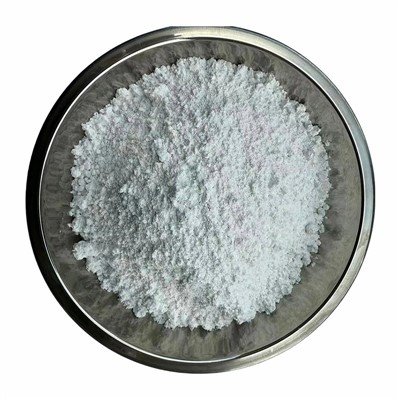
Electronic Grade Active Silica Powder
Electronic Grade Active Silica Powder is an upgraded product. It starts with Electronic Grade Silica Powder. Then we

Electronic Grade Silica Powder
Electronic Grade Silica Powder is one of the most critical materials in electronic packaging and component

Quartz Powder For Ceramics
Quartz Powder for Ceramics is one of the most important raw materials in the ceramic industry. Its quality directly
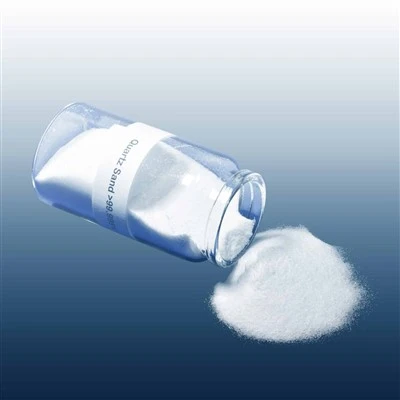
High Purity Quartz Filler
High Purity Quartz Filler is for applications that demand very high purity. In these cases, regular industrial fillers
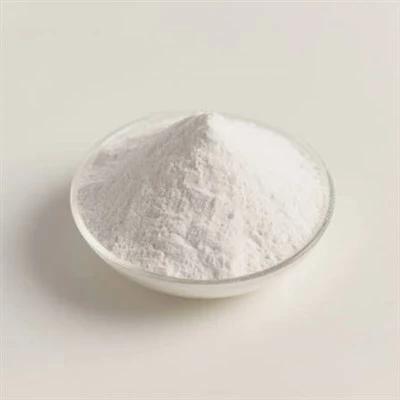
Silica Powder For Composite Materials
Silica Powder for Composite Materials is a special product for the composites industry. The demand for fillers in this