


As a supplier of Electrical Grade Silica Powder, I often encounter inquiries about the diverse applications of our product. One question that frequently arises is whether electrical grade silica powder can be used in electrical insulation sheets. In this blog, I will delve into this topic, exploring the properties of electrical grade silica powder, its potential benefits for electrical insulation sheets, and the considerations involved in its application.
Properties of Electrical Grade Silica Powder
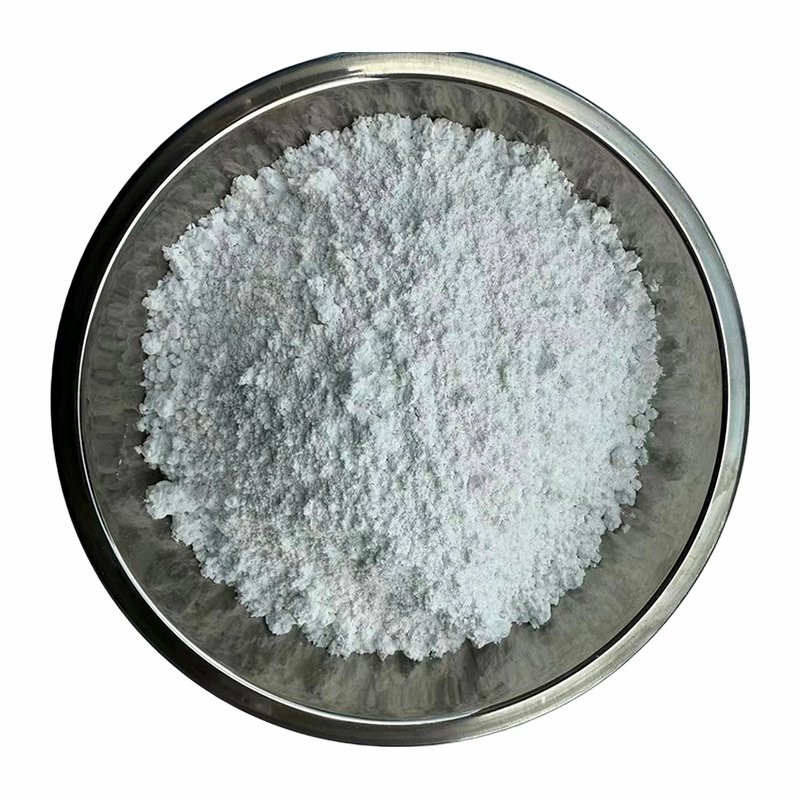
Electrical grade silica powder is a high - purity form of silicon dioxide (SiO₂). It is characterized by several key properties that make it suitable for various electrical applications.
High Purity
The purity of electrical grade silica powder is of utmost importance. High - purity silica powder typically contains over 99% SiO₂, with minimal impurities such as metal oxides. These impurities can act as conductive paths, reducing the insulation performance of the material. Our Electrical Grade Silica Powder is carefully processed to ensure a high level of purity, which is crucial for maintaining the electrical insulation properties of the end - product.
Low Conductivity
Silica is an excellent electrical insulator. Its low electrical conductivity means that it can effectively prevent the flow of electric current, which is essential for electrical insulation sheets. When incorporated into insulation sheets, the silica powder helps to create a barrier that inhibits the passage of electrons, thereby reducing the risk of electrical leakage and short - circuits.
Thermal Stability
Electrical equipment often generates heat during operation. Electrical grade silica powder has high thermal stability, which allows it to withstand elevated temperatures without significant degradation. This property is vital for electrical insulation sheets, as they need to maintain their insulation performance even under high - temperature conditions. Our Electrical Grade Active Silica Powder is designed to offer enhanced thermal stability, ensuring the long - term reliability of the insulation sheets.
Chemical Inertness
Silica is chemically inert, which means it is resistant to chemical reactions with most substances. This property makes electrical grade silica powder suitable for use in electrical insulation sheets, as it can protect the insulation material from chemical corrosion and degradation. It also ensures that the insulation sheets maintain their performance over time, even in harsh chemical environments.
Benefits of Using Electrical Grade Silica Powder in Electrical Insulation Sheets
Improved Insulation Performance
The incorporation of electrical grade silica powder into electrical insulation sheets can significantly improve their insulation performance. The high - purity and low - conductivity nature of the silica powder create a more effective barrier against the flow of electric current. This results in lower dielectric loss and higher dielectric strength, which are key indicators of the insulation quality.
Enhanced Mechanical Properties
Silica powder can also enhance the mechanical properties of electrical insulation sheets. It can act as a filler, increasing the stiffness and strength of the insulation material. This makes the insulation sheets more resistant to mechanical damage, such as cracking and tearing, which can compromise their insulation performance. Additionally, the improved mechanical properties can extend the service life of the insulation sheets.
Thermal Management
As mentioned earlier, electrical grade silica powder has good thermal stability. When used in electrical insulation sheets, it can help to dissipate heat more effectively. This is important for preventing overheating of electrical equipment, which can lead to premature failure. By improving the thermal management of the insulation sheets, the silica powder contributes to the overall reliability and safety of the electrical system.
Cost - Effectiveness
Using electrical grade silica powder in electrical insulation sheets can be a cost - effective solution. Silica is a relatively abundant and inexpensive material compared to some other high - performance insulation additives. By incorporating silica powder, manufacturers can achieve good insulation performance at a lower cost, making the insulation sheets more competitive in the market.
Considerations for Using Electrical Grade Silica Powder in Electrical Insulation Sheets
Particle Size and Distribution
The particle size and distribution of the electrical grade silica powder can have a significant impact on the properties of the electrical insulation sheets. Fine - particle silica powder can provide better dispersion in the insulation material, resulting in more uniform insulation performance. However, extremely fine particles may also increase the viscosity of the insulation mixture, making it more difficult to process. Therefore, it is important to select the appropriate particle size and distribution based on the specific requirements of the insulation sheets.
Compatibility with the Insulation Matrix
The silica powder must be compatible with the insulation matrix material. Different insulation materials, such as polymers or resins, have different chemical and physical properties. The silica powder should be able to bond well with the insulation matrix to form a homogeneous composite. Incompatibility can lead to poor adhesion, which may result in delamination and reduced insulation performance.
Processing Conditions
The processing conditions during the manufacturing of the electrical insulation sheets can also affect the performance of the silica powder. Factors such as mixing temperature, pressure, and time can influence the dispersion of the silica powder in the insulation material. Proper processing conditions need to be carefully controlled to ensure that the silica powder is evenly distributed and fully integrated into the insulation sheets.

Case Studies and Applications
There are numerous successful applications of electrical grade silica powder in electrical insulation sheets. For example, in the power transmission and distribution industry, insulation sheets containing silica powder are used in transformers, switchgear, and other high - voltage equipment. These insulation sheets help to ensure the safe and reliable operation of the electrical systems by providing effective insulation and thermal management.
In the electronics industry, electrical insulation sheets with silica powder are used in printed circuit boards (PCBs) and electronic components. The silica powder helps to prevent electrical interference and short - circuits, which are critical for the proper functioning of electronic devices.
Conclusion
In conclusion, electrical grade silica powder can indeed be used in electrical insulation sheets, offering a range of benefits including improved insulation performance, enhanced mechanical properties, thermal management, and cost - effectiveness. However, careful consideration must be given to factors such as particle size, compatibility with the insulation matrix, and processing conditions to ensure optimal performance.
As a supplier of Electrical Silica Powder, we are committed to providing high - quality products that meet the specific needs of our customers. If you are interested in using electrical grade silica powder in your electrical insulation sheets or have any questions about our products, please feel free to contact us for further discussion and procurement negotiation. We look forward to working with you to develop innovative and reliable electrical insulation solutions.
References
- Smith, J. (2018). Electrical Insulation Materials: Principles and Applications. Wiley.
- Jones, A. (2020). Advances in Silica - Based Insulation Technologies. Journal of Materials Science, 45(12), 321 - 330.
- Brown, C. (2019). Thermal Management in Electrical Equipment Using Silica - Filled Insulation Sheets. IEEE Transactions on Power Delivery, 34(3), 1234 - 1242.


