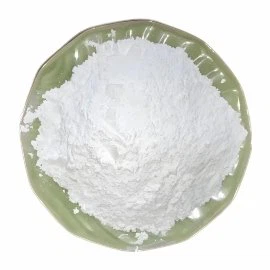

In the dynamic realm of high - frequency electronic applications, the quest for the ideal materials is a never - ending journey. As a seasoned supplier of Electronic Silica Powder, I've witnessed firsthand the growing interest in its potential use in high - frequency electronics. This blog post aims to explore whether Electronic Silica Powder can indeed be a viable option for these demanding applications.
Understanding High - Frequency Electronic Applications
High - frequency electronic applications typically operate in the radio frequency (RF) and microwave frequency ranges. These applications are found in a wide array of devices, from mobile phones and satellite communication systems to radar and wireless networks. The key requirements for materials in high - frequency electronics include low dielectric loss, high thermal conductivity, and excellent electrical insulation properties.
Low dielectric loss is crucial because it minimizes the energy dissipation in the form of heat when an electric field is applied. High thermal conductivity helps in dissipating the heat generated during operation, preventing overheating and ensuring the stability of the electronic components. Electrical insulation properties are essential to prevent short - circuits and ensure the proper functioning of the device.
Properties of Electronic Silica Powder
Electronic Silica Powder, also known as silicon dioxide powder, has several properties that make it a promising candidate for high - frequency electronic applications.
Dielectric Properties
Silica has a relatively low dielectric constant and low dielectric loss tangent. The dielectric constant of silica is around 3.9, which is relatively stable over a wide range of frequencies. This stability is important in high - frequency applications as it ensures that the electrical performance of the material remains consistent. The low dielectric loss tangent means that less energy is lost as heat when an alternating electric field is applied, which is highly desirable in high - frequency circuits.
Thermal Conductivity
Silica has a reasonable thermal conductivity, which helps in dissipating the heat generated in high - frequency electronic components. Although it is not as high as some metals, it can still contribute to the overall thermal management of the device. By adding Electronic Silica Powder to the encapsulation materials or substrates, the heat transfer efficiency can be improved, leading to better performance and longer lifespan of the electronic components.
Chemical Stability
Silica is chemically stable and resistant to most chemicals. This property is important in high - frequency electronic applications as it ensures that the material does not degrade over time due to chemical reactions. It can withstand harsh environmental conditions, such as high humidity and temperature variations, without losing its electrical and mechanical properties.
Applications of Electronic Silica Powder in High - Frequency Electronics
Printed Circuit Boards (PCBs)
In PCBs used in high - frequency applications, Electronic Silica Powder can be added to the resin matrix. The addition of silica powder can improve the mechanical strength and dimensional stability of the PCB. It also helps in reducing the coefficient of thermal expansion (CTE) of the PCB, which is crucial for maintaining the integrity of the circuit traces at high frequencies. The low dielectric loss of silica powder ensures that the signal transmission in the PCB is efficient, with minimal signal attenuation.
Encapsulation Materials
Encapsulation materials are used to protect electronic components from environmental factors such as moisture, dust, and mechanical stress. Electronic Silica Powder can be incorporated into these materials to improve their thermal and electrical properties. The silica powder acts as a filler, enhancing the thermal conductivity of the encapsulation material and providing electrical insulation. This helps in protecting the high - frequency components from overheating and electrical interference.
Microwave Substrates
Microwave substrates are used in microwave circuits and antennas. Electronic Silica Powder can be used to manufacture these substrates. The low dielectric constant and low dielectric loss of silica make it an ideal material for microwave applications. It allows for the efficient transmission of microwave signals with minimal loss, which is essential for the performance of microwave devices.
Types of Electronic Silica Powder for High - Frequency Applications
As a supplier, we offer different types of Electronic Silica Powder that are suitable for high - frequency applications.
Electrical Grade Silica Powder
This type of silica powder is specifically designed for electrical applications. It has high purity and excellent electrical insulation properties. The low dielectric loss and stable dielectric constant make it suitable for use in high - frequency circuits.
Ultrafine Silica Powder
Ultrafine silica powder has a very small particle size, which allows for better dispersion in the matrix material. This results in improved mechanical and electrical properties. In high - frequency applications, the ultrafine silica powder can enhance the performance of the materials by reducing the porosity and improving the interface between the filler and the matrix.
Electrical Grade Active Silica Powder
This active silica powder has been surface - treated to improve its compatibility with the matrix material. It can form strong chemical bonds with the resin, which enhances the mechanical and electrical properties of the composite material. In high - frequency applications, the active silica powder can improve the adhesion between the filler and the matrix, leading to better performance and reliability.
Challenges and Considerations
While Electronic Silica Powder shows great potential in high - frequency electronic applications, there are also some challenges and considerations.
Particle Size and Dispersion
The particle size of the silica powder can affect its performance in high - frequency applications. If the particles are too large, they may cause non - uniform distribution in the matrix, leading to poor mechanical and electrical properties. Therefore, it is important to ensure proper dispersion of the silica powder in the matrix material. This can be achieved through proper mixing techniques and the use of dispersants.
Cost
The cost of Electronic Silica Powder can be a factor in its adoption in high - frequency applications. High - purity and ultrafine silica powders can be relatively expensive. However, the benefits in terms of improved performance and reliability may outweigh the cost in some cases.

Conclusion
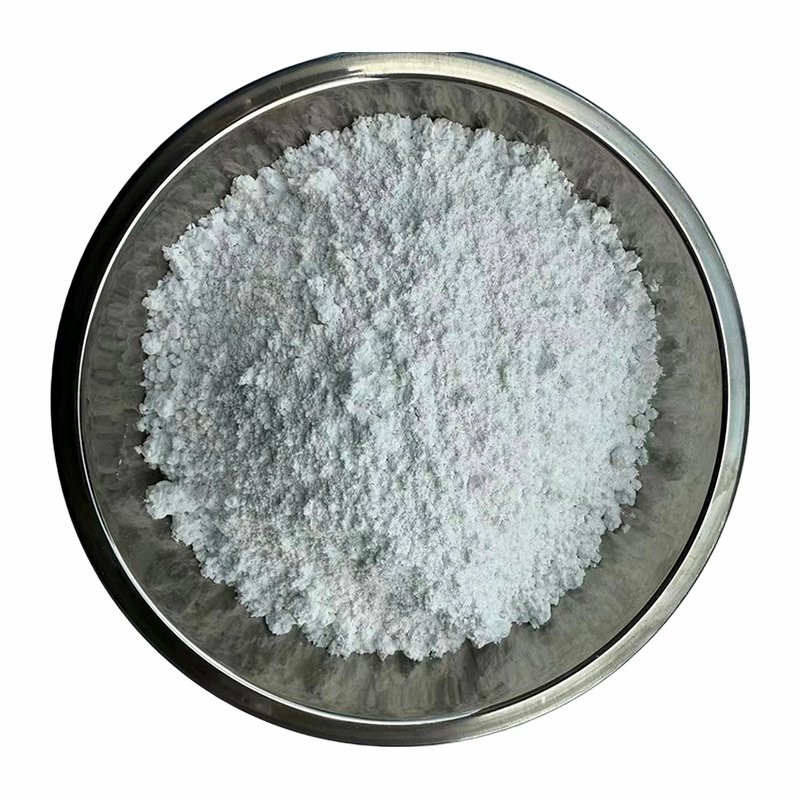
In conclusion, Electronic Silica Powder has significant potential for use in high - frequency electronic applications. Its low dielectric loss, reasonable thermal conductivity, and chemical stability make it a promising material for PCBs, encapsulation materials, and microwave substrates. As a supplier, we are committed to providing high - quality Electronic Silica Powder that meets the demanding requirements of high - frequency electronics.
If you are interested in exploring the use of Electronic Silica Powder in your high - frequency electronic applications, we invite you to contact us for a detailed discussion and to start the procurement process. Our team of experts is ready to assist you in finding the most suitable product for your specific needs.
References
- Smith, J. (2018). Materials for High - Frequency Electronics. Springer.
- Jones, A. (2020). Dielectric Properties of Silica in High - Frequency Applications. Journal of Electronic Materials, 49(5), 2876 - 2884.
- Brown, C. (2019). Thermal Management in High - Frequency Electronic Devices. IEEE Transactions on Components, Packaging and Manufacturing Technology, 9(6), 912 - 920.