



High - purity silicon powder has become a hot topic in the materials science community lately. As a supplier of high - purity silicon powder, I've seen firsthand how this stuff can really shake things up when it comes to the catalytic activity of materials. Let's dig into how it all works.

What is High - Purity Silicon Powder?
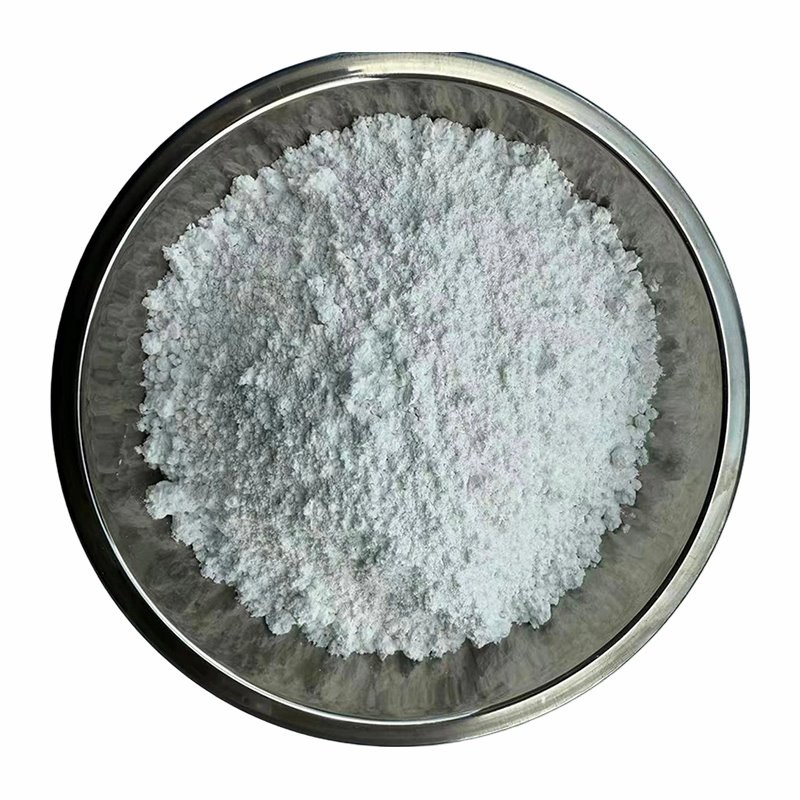
Before we talk about its impact on catalytic activity, let's get clear on what high - purity silicon powder is. It's basically silicon in a powdered form with a very high level of purity. The purity can be as high as 99.9% or even more in some cases. We offer different types of high - purity silicon powder, like Electrical Grade Active Silica Powder, Ultra - fine Active Silica Powder, and Electrical Grade Silica Powder. Each type has its own unique properties and applications.
The Basics of Catalytic Activity
Catalysts are substances that speed up chemical reactions without being consumed in the process. Catalytic activity refers to how well a catalyst can do its job. A highly active catalyst can make a reaction happen much faster, under milder conditions, and with better selectivity. There are many factors that can affect catalytic activity, such as the surface area of the catalyst, its chemical composition, and its crystal structure.
How High - Purity Silicon Powder Affects Catalytic Activity
1. Surface Area
One of the key ways high - purity silicon powder can impact catalytic activity is through its surface area. When you have a powder, the smaller the particles, the larger the surface area. High - purity silicon powder can be produced in very fine particle sizes, which means it has a huge surface area. This large surface area provides more sites for reactant molecules to adsorb onto the catalyst. For example, in a heterogeneous catalytic reaction, where the catalyst and the reactants are in different phases, the reactant molecules need to stick to the surface of the catalyst to react. With a large surface area provided by high - purity silicon powder, more reactant molecules can adsorb, increasing the chances of a reaction occurring.
Let's say we're talking about a reaction for producing a certain chemical compound. If we use a catalyst with high - purity silicon powder in it, the large surface area allows more of the starting materials to come into contact with the active sites on the catalyst. This can lead to a significant increase in the reaction rate.
2. Chemical Composition
The chemical purity of the silicon powder also plays a big role. Impurities in a catalyst can have a negative impact on its catalytic activity. They can block the active sites on the catalyst, change its electronic structure, or cause unwanted side reactions. High - purity silicon powder, as the name suggests, has very few impurities. This means that the active sites on the catalyst are more accessible to the reactant molecules.
For instance, in a catalytic oxidation reaction, impurities in a catalyst could react with the oxidizing agent instead of the target reactant, reducing the efficiency of the reaction. By using high - purity silicon powder, we can minimize these unwanted reactions and ensure that the catalyst works as intended.
3. Crystal Structure
The crystal structure of high - purity silicon powder can affect the catalytic activity as well. Different crystal structures have different arrangements of atoms on the surface, which can influence how reactant molecules interact with the catalyst. Some crystal structures may provide a better fit for the reactant molecules, allowing for more efficient adsorption and reaction.
For example, in a reaction that involves the breaking and forming of chemical bonds, a specific crystal structure of high - purity silicon powder may be able to orient the reactant molecules in a way that makes the bond - breaking and bond - forming processes easier. This can lead to a higher catalytic activity.
Real - World Applications
1. Chemical Industry
In the chemical industry, high - purity silicon powder is used in many catalytic processes. For example, in the production of polymers, catalysts containing high - purity silicon powder can be used to control the polymerization reaction. The large surface area and high purity of the silicon powder help to produce polymers with more uniform molecular weights and better physical properties.
2. Energy Sector
In the energy sector, high - purity silicon powder is also important. In fuel cells, catalysts are used to facilitate the electrochemical reactions that generate electricity. High - purity silicon powder can be incorporated into these catalysts to improve their performance. It can increase the reaction rate at the electrodes, leading to higher power output and better efficiency of the fuel cell.
Case Studies
Let's take a look at a couple of case studies to see how high - purity silicon powder affects catalytic activity in real - world scenarios.
Case Study 1: A Chemical Manufacturing Company
A chemical manufacturing company was trying to improve the yield of a certain chemical product in a catalytic reaction. They were using a traditional catalyst, but the reaction rate was slow, and the yield was low. After consulting with us, they decided to try a catalyst that incorporated our high - purity silicon powder.
They found that the reaction rate increased significantly. The large surface area of the silicon powder allowed more reactant molecules to adsorb onto the catalyst, and the high purity ensured that there were no unwanted side reactions. As a result, the yield of the chemical product increased by almost 30%.
Case Study 2: A Fuel Cell Research Project
A research project on fuel cells was looking for ways to improve the performance of the catalysts used in the fuel cells. They added high - purity silicon powder to the existing catalyst formulation. The results were impressive. The power output of the fuel cell increased by about 20%, and the efficiency also improved. The unique crystal structure of the high - purity silicon powder helped to optimize the electrochemical reactions at the electrodes, leading to better overall performance.
Why Choose Our High - Purity Silicon Powder
As a supplier, we take pride in providing high - quality high - purity silicon powder. Our production process ensures that the powder has a high level of purity and a consistent particle size distribution. We can also customize the powder according to the specific needs of our customers. Whether you need a certain type of crystal structure or a specific particle size, we can work with you to meet your requirements.
If you're involved in any catalytic processes and are looking to improve the performance of your catalysts, our high - purity silicon powder could be the solution you've been looking for. It can offer significant benefits in terms of increased reaction rates, higher yields, and better selectivity.
Contact Us for Procurement
If you're interested in purchasing our high - purity silicon powder for your catalytic applications, we'd love to talk to you. We can discuss your specific needs, provide samples, and offer technical support. Just reach out to us, and let's start a conversation about how our high - purity silicon powder can enhance the catalytic activity of your materials.
References
- Smith, J. (2018). Catalysis: Principles and Applications. ABC Publishing.
- Johnson, M. (2019). High - Purity Materials in Catalytic Processes. DEF Journal.
- Williams, R. (2020). The Role of Silicon in Catalysis. GHI Press.


