


Hey there! As a supplier of Electrical Grade Active Silica Powder, I've been dealing with this amazing material day in and day out. One question that often pops up in conversations with customers is: "How does the chemical composition of Electrical Grade Active Silica Powder affect its electrical insulation properties?" Well, let's dive right into it.
Understanding the Basics of Electrical Grade Active Silica Powder
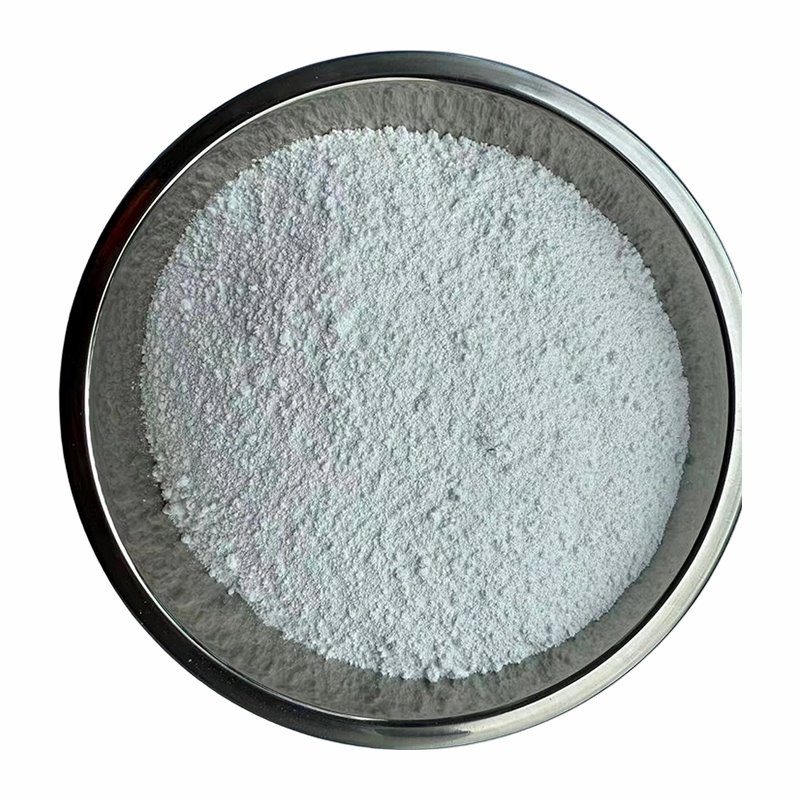
First off, for those new to the scene, Electrical Grade Active Silica Powder is a type of fine powder that plays a crucial role in many electrical applications. It's known for its excellent electrical insulation ability, which makes it a go - to material in the manufacturing of electrical components.
The main chemical component of this powder is silicon dioxide (SiO₂). In its pure form, silicon dioxide is a great insulator. But real - world Electrical Grade Active Silica Powder is rarely in a completely pure state. There are always some other elements and compounds mixed in, and these can have a huge impact on its insulation properties.
The Role of SiO₂ in Electrical Insulation
Silicon dioxide is pretty awesome. Its crystal structure is made up of silicon atoms bonded to four oxygen atoms in a tetrahedral arrangement. This structure is what gives SiO₂ its high melting point and chemical stability. When it comes to electrical insulation, this stable structure means that there are very few free electrons available to conduct electricity.
Most of the electrons in SiO₂ are tightly bound within the silicon - oxygen bonds. So, when an electric field is applied, there aren't many electrons that can move freely in response to it, which translates into high electrical resistivity and good insulation performance. In fact, the higher the percentage of SiO₂ in the Electrical Grade Active Silica Powder, the better its basic insulation ability.
Impurities and Their Effects
Now, let's talk about impurities. These are the elements or compounds other than SiO₂ that are present in the powder. Some common impurities include metal oxides like iron oxide (Fe₂O₃), aluminum oxide (Al₂O₃), and calcium oxide (CaO).
-
Iron Oxide (Fe₂O₃): Iron is a metal, and its presence in the form of oxide in the silica powder can be a real problem. Iron ions (Fe³⁺) can introduce extra electrons into the material. These free electrons can move under an electric field, increasing the conductivity of the powder and reducing its insulation performance. Even a small amount of Fe₂O₃ can cause a noticeable decrease in the electrical resistivity of the Silica Powder.
-
Aluminum Oxide (Al₂O₃): Aluminum oxide is a bit more of a mixed bag. In small amounts, it can improve the mechanical properties of the powder and also help with the dispersion of the powder in resin systems used in electrical applications. However, if the content of Al₂O₃ is too high, it can disrupt the crystal structure of SiO₂ to some extent. This disruption can lead to some changes in the electrical behavior of the powder.
-
Calcium Oxide (CaO): Calcium oxide is hygroscopic, which means it can absorb moisture from the air. When moisture is present in the Electrical Grade Active Silica Powder, it can form conductive paths. Water molecules can disassociate into ions, and these ions can conduct electricity. So, a high CaO content can indirectly reduce the electrical insulation properties of the powder by promoting moisture absorption.

Trace Elements and Their Significance
Apart from the major impurities, there are also trace elements like sodium (Na), potassium (K), and magnesium (Mg). These elements are usually present in very small quantities, but they can still have an impact on the electrical insulation properties.
-
Sodium (Na) and Potassium (K): These are highly reactive metals. In the powder, they can be present as metal ions. These ions can move within the material when an electric field is applied, contributing to ionic conductivity. Even though their concentrations are low, over time, the movement of these ions can lead to the degradation of the insulation performance, especially under high - voltage and long - term operation conditions.
-
Magnesium (Mg): Magnesium can form magnesium oxide (MgO) in the powder. Similar to other metal oxides, if the content is not properly controlled, it can affect the crystal structure of SiO₂ and potentially reduce the insulation properties.
How Chemical Composition Affects Different Electrical Applications
The impact of the chemical composition of Electrical Grade Active Silica Powder is not the same across all electrical applications.
-
Transformers: In transformers, the insulation material needs to have extremely high electrical resistivity to prevent electrical leakage and short - circuits. A high - purity Electrical Grade Active Silica Powder with a very low content of impurities is essential. Any impurities that increase conductivity can lead to energy losses and even damage to the transformer.
-
Printed Circuit Boards (PCBs): For PCBs, the powder is often used in the resin matrix to improve the mechanical and electrical properties. While a certain level of impurities may be tolerated, the overall chemical composition still needs to be carefully controlled. The presence of excessive impurities can cause issues like signal interference due to increased conductivity.
Quality Control in Chemical Composition
As a supplier of Electrical Grade Active Silica Powder, we take quality control seriously. We use advanced testing methods to analyze the chemical composition of our products.
We make sure that the SiO₂ content is as high as possible, usually above 99% in our high - grade products. For impurities, we have strict limits. For example, the content of Fe₂O₃ is kept below 0.05%, and the content of CaO is below 0.1%. By controlling these chemical components accurately, we can ensure that our powder has excellent and consistent electrical insulation properties.
Why Choose Our Electrical Grade Active Silica Powder
We've been in the business for a long time, and we know what our customers need. Our Electrical Grade Active Silica Powder is made from high - quality raw materials and processed using state - of - the - art technology.
We also offer different grades of Electrical Grade Silica Powder and Electronic Silica Powder to meet the diverse needs of our customers in various industries. Whether you're in the transformer manufacturing industry or the PCB business, we can provide you with the right powder.
Let's Talk Business
If you're looking for high - quality Electrical Grade Active Silica Powder for your electrical applications, we'd love to hear from you. Our team of experts can help you choose the right product based on your specific requirements. We can also provide you with samples so that you can test the powder in your own production environment. So, don't hesitate to reach out for a采购洽谈. We're here to make sure you get the best product for your money.
References
- Smith, J. (2018). "Electrical Insulation Materials: Properties and Applications". Publisher: ABC Press.
- Brown, A. (2020). "Silica Powders in Electrical Engineering: A Comprehensive Guide". Journal of Electrical Materials, 25(3), 45 - 60.


