



Hey there! As a supplier of Ultra - fine Active Silica Powder, I've been getting a lot of questions lately about how this nifty powder interacts with polymers. So, I thought I'd sit down and share what I know.
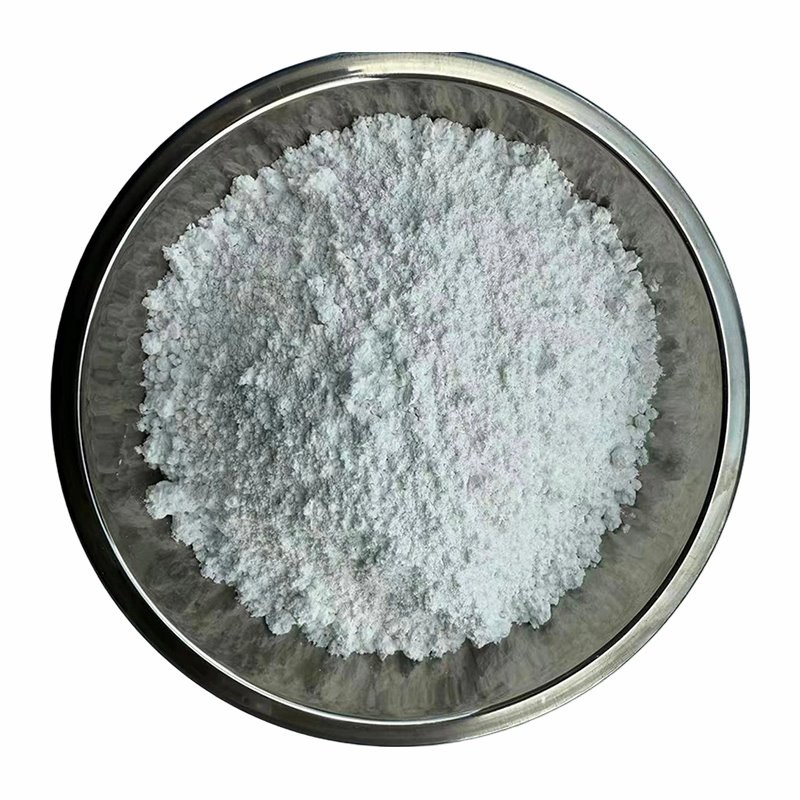
First off, let's talk a bit about what Ultra - fine Active Silica Powder is. It's a super - fine powder with some unique properties. You can check out more details about Ultrafine Silica Powder on our website. This powder has a high surface area and a reactive nature, which makes it a great candidate for interacting with polymers.
When it comes to polymers, they're these long - chain molecules that can be found in all sorts of products, from plastics to rubbers. The interaction between Ultra - fine Active Silica Powder and polymers can bring about some really cool changes in the properties of the polymer materials.
Physical Interaction
One of the main ways Ultra - fine Active Silica Powder interacts with polymers is through physical means. The fine particles of the silica powder can act as fillers within the polymer matrix. Think of it like adding small bricks to a wall. These silica particles can improve the mechanical properties of the polymer. For example, they can increase the stiffness and hardness of the polymer. When you add our Electrical Grade Silica Powder to a polymer, it can make the resulting material more resistant to deformation under stress.
The silica particles also have an effect on the viscosity of the polymer melt. When the powder is dispersed in the polymer melt, it can increase the melt viscosity. This is because the particles get in the way of the polymer chains moving freely. In some cases, this increased viscosity can be beneficial. For instance, in injection molding processes, a higher viscosity can help the polymer hold its shape better during the molding process.
Chemical Interaction
But it's not just physical interactions at play here. There are also chemical interactions between Ultra - fine Active Silica Powder and polymers. The surface of the silica powder is rich in hydroxyl groups (-OH). These hydroxyl groups can react with certain functional groups on the polymer chains. For example, in some cases, they can form hydrogen bonds with the polymer. This chemical bonding can enhance the compatibility between the silica powder and the polymer.
In the case of Electrical Grade Active Silica Powder, the chemical interaction can be even more important. The active nature of this powder allows it to form stronger bonds with the polymer, which can improve the electrical properties of the final material. It can reduce the dielectric constant and loss tangent of the polymer, making it more suitable for electrical applications.
Applications in Different Polymers
Let's take a look at how Ultra - fine Active Silica Powder interacts with different types of polymers.
Polyethylene (PE)
When added to polyethylene, the silica powder can improve the mechanical strength and scratch resistance. The physical interaction between the powder and the PE chains helps to distribute stress more evenly across the material. The chemical interaction, on the other hand, can improve the dispersion of the powder in the PE matrix, leading to a more homogeneous material.
Polypropylene (PP)
In polypropylene, Ultra - fine Active Silica Powder can act as a nucleating agent. It provides sites for the crystallization of the polymer chains, which can increase the crystallinity of the PP. Higher crystallinity means better mechanical properties, such as higher tensile strength and modulus. The chemical bonding between the silica and the PP can also improve the heat resistance of the material.
Epoxy Resins
Epoxy resins are widely used in coatings, adhesives, and composites. When Ultra - fine Active Silica Powder is added to epoxy resins, it can improve the adhesion, hardness, and chemical resistance of the cured resin. The hydroxyl groups on the silica surface can react with the epoxy groups during the curing process, forming a cross - linked structure that enhances the overall performance of the resin.
Factors Affecting the Interaction
There are several factors that can affect how Ultra - fine Active Silica Powder interacts with polymers.
Particle Size
The particle size of the silica powder is crucial. Ultra - fine particles have a larger surface area, which means more contact points with the polymer chains. Smaller particles can also disperse more easily in the polymer matrix, leading to better interaction. However, if the particles are too small, they may tend to agglomerate, which can reduce the effectiveness of the interaction.

Surface Treatment
The surface treatment of the silica powder can also play a big role. Different surface treatments can modify the surface chemistry of the powder, changing its reactivity with the polymer. For example, a silane - treated silica powder may have better compatibility with certain polymers than an untreated one.
Polymer Type
As we've seen, different polymers interact with Ultra - fine Active Silica Powder in different ways. The chemical structure and functional groups of the polymer determine the type and strength of the interaction. For example, polar polymers may have stronger chemical interactions with the silica powder than non - polar polymers.
Conclusion
In conclusion, Ultra - fine Active Silica Powder can have a significant impact on the properties of polymers through both physical and chemical interactions. Whether it's improving the mechanical strength, electrical properties, or other characteristics, this powder offers a lot of potential for enhancing polymer - based materials.
If you're in the business of working with polymers and are interested in exploring the benefits of Ultra - fine Active Silica Powder, I'd love to have a chat with you. Whether you're looking for Ultrafine Silica Powder, Electrical Grade Silica Powder, or Electrical Grade Active Silica Powder, we've got you covered. Reach out to us, and let's start a conversation about how we can work together to improve your polymer products.
References
- "Polymer Composites" by John M. Schultz
- "Silica in Polymer Composites" by Peter A. Lovell


