



Hey there! As a supplier of fused silica powder, I've seen firsthand how this amazing material can transform various formulations. In this blog post, I'm going to share some tips on how to optimize the use of fused silica powder in your formulations.
Understanding Fused Silica Powder
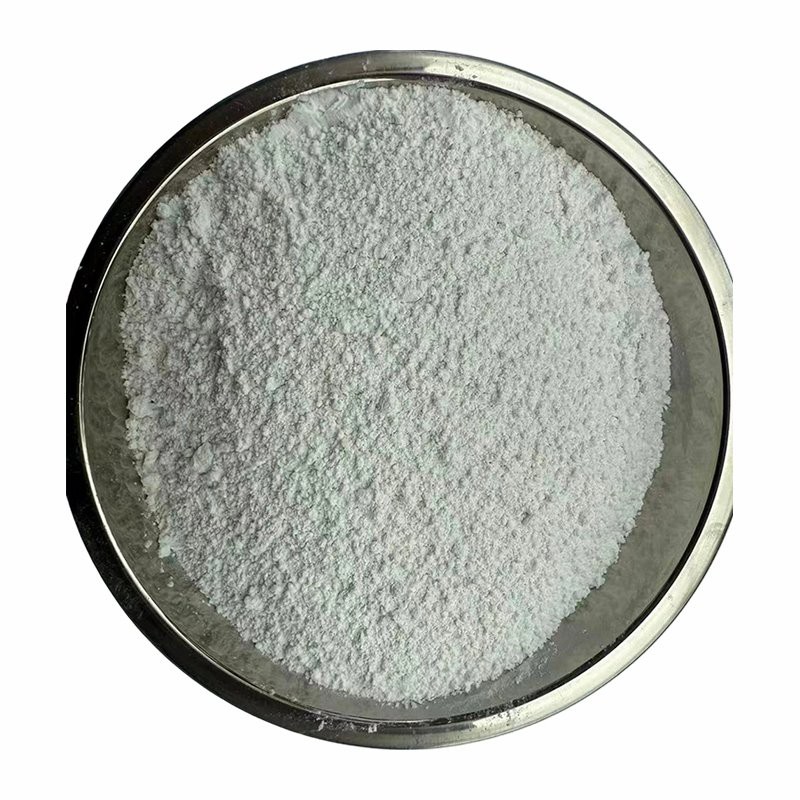
First off, let's quickly go over what fused silica powder is. It's made by melting high - purity silica sand at extremely high temperatures and then grinding it into a fine powder. This process gives it some really cool properties like low thermal expansion, high chemical resistance, and excellent electrical insulation.
Choosing the Right Mesh Size
One of the most important factors in optimizing the use of fused silica powder is choosing the right mesh size. Different mesh sizes have different particle sizes, and this can greatly affect how the powder behaves in your formulation.
- 400 Mesh Fused Silica Powder: This coarser powder is great for applications where you need good flow properties and are less concerned about a super - smooth finish. For example, in some types of molding compounds, the larger particles can help the material flow better into molds. You can check out more about it 400 Mesh Fused Silica Powder.
- 800 Mesh Fused Silica Powder: With a medium fineness, 800 - mesh powder strikes a balance between flow and surface finish. It's often used in applications like coatings, where you want a relatively smooth finish but also need the powder to disperse well in the liquid medium. You can find more details 800 Mesh Fused Silica Powder.
- 1000 Mesh Fused Silica Powder: This is a very fine powder. It's ideal for applications where you need a high - gloss finish or where the powder is used in a high - precision product. For instance, in some optical coatings, the fine particles can help achieve a more uniform and smooth coating. Check it out 1000 Mesh Fused Silica Powder.
Incorporating Fused Silica Powder into the Formulation
Once you've picked the right mesh size, it's time to add the powder to your formulation. Here are some steps to follow:
Pre - wetting
Before adding the fused silica powder directly to the main formulation, it's a good idea to pre - wet it. This involves mixing the powder with a small amount of the liquid phase (like a resin or a solvent). Pre - wetting helps break up any agglomerates and ensures better dispersion of the powder in the final formulation.
Mixing
Use a high - shear mixer to blend the powder into the formulation. High - shear mixing provides enough force to separate the individual particles and distribute them evenly throughout the mixture. The mixing time can vary depending on the formulation, but generally, you should mix for at least 15 - 30 minutes to get a good dispersion.
Testing and Adjusting
After mixing, it's crucial to test the formulation. Check for properties like viscosity, hardness, and appearance. If the properties are not as expected, you may need to adjust the amount of fused silica powder or the mixing process. For example, if the viscosity is too high, you might need to reduce the amount of powder or add more solvent.
Benefits of Using Fused Silica Powder in Formulations
There are several reasons why you should consider using fused silica powder in your formulations:

Thermal Stability
As I mentioned earlier, fused silica has a very low thermal expansion coefficient. This means that in applications where there are significant temperature changes, products with fused silica powder will be less likely to crack or warp. For example, in electronic encapsulation materials, the thermal stability of fused silica helps protect the delicate electronic components from thermal stress.
Chemical Resistance
Fused silica is highly resistant to most chemicals. This makes it a great choice for formulations that will be exposed to harsh chemical environments. For instance, in chemical - resistant coatings or linings, the addition of fused silica powder can enhance the overall chemical resistance of the product.
Electrical Insulation
In the electrical and electronics industry, the excellent electrical insulation properties of fused silica powder are a huge advantage. It can be used in insulating materials for cables, printed circuit boards, and other electrical components.
Troubleshooting Common Issues
Even when you follow the best practices, you might run into some issues when using fused silica powder in your formulation. Here are a few common problems and how to fix them:
Agglomeration
If you notice that the powder is forming clumps in the formulation, it could be due to improper mixing or moisture. Make sure you're using a high - shear mixer and that the powder is stored in a dry environment. If the powder has absorbed moisture, you can dry it in an oven before use.
Sedimentation
Sometimes, the powder may settle at the bottom of the formulation over time. This can be addressed by adding a suitable dispersant or thickener to the formulation. These additives help keep the particles suspended in the liquid phase.
Conclusion
Optimizing the use of fused silica powder in a formulation involves choosing the right mesh size, proper incorporation into the formulation, and understanding the benefits and potential issues. By following these tips, you can get the most out of this versatile material.
If you're interested in using fused silica powder in your formulations, I'd love to have a chat with you. Whether you need more information about the different mesh sizes, want to discuss your specific application, or are ready to place an order, don't hesitate to reach out. We're here to help you make the best choice for your products.
References
- Smith, J. (2020). "Advanced Materials in Formulation Design". Publisher: TechBooks.
- Johnson, A. (2019). "The Properties and Applications of Fused Silica". Journal of Materials Science, Vol. 35, Issue 2.


