



Electrical busbars play a crucial role in power distribution systems, serving as conductors that efficiently transmit electrical energy from one point to another. The performance and reliability of electrical busbars are of utmost importance to ensure the stable operation of electrical systems. One material that has gained significant attention in enhancing the performance of electrical busbars is Electrical Grade Active Silica Powder. As a leading supplier of this specialized powder, I am excited to explore its various applications in electrical busbars.
1. Insulation Enhancement
One of the primary applications of Electrical Grade Active Silica Powder in electrical busbars is insulation enhancement. Electrical busbars need to have excellent insulation properties to prevent electrical leakage and short - circuits. When added to the insulation materials used in busbars, such as epoxy resins, the silica powder can significantly improve the dielectric strength of the insulation.
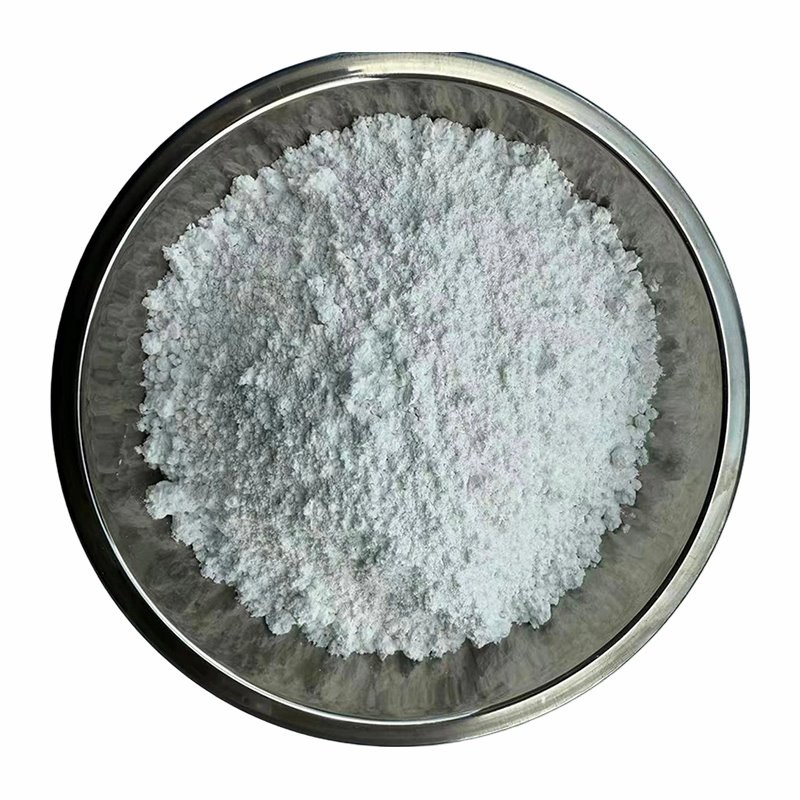
The high purity and fine particle size of Electrical Grade Active Silica Powder Electrical Grade Silica Powder allow it to disperse evenly in the insulation matrix. This uniform dispersion creates a more stable and continuous insulation structure, which can better withstand high - voltage stresses. The silica powder acts as a barrier, reducing the probability of electrical breakdown and improving the overall insulation performance of the busbar.
Moreover, the active nature of the silica powder means that it can form chemical bonds with the insulation material, enhancing the adhesion between the powder and the matrix. This not only improves the mechanical properties of the insulation but also further enhances its electrical insulation performance. For example, in high - voltage busbars used in power substations, the improved insulation provided by the silica powder can prevent flashovers and ensure the safe and reliable operation of the electrical system.
2. Thermal Management
Another important application of Electrical Grade Active Silica Powder in electrical busbars is thermal management. During the operation of electrical busbars, a significant amount of heat is generated due to the flow of electrical current. If this heat is not dissipated effectively, it can lead to an increase in the temperature of the busbar, which may cause thermal aging of the insulation material and reduce the conductivity of the conductor.
Silica powder has excellent thermal conductivity properties. When incorporated into the busbar insulation or the encapsulation material, it can act as a heat - conducting filler. The fine particles of the Electrical Silica Powder create a network of heat - conducting paths within the material, allowing heat to be transferred more efficiently from the busbar to the surrounding environment.
In addition, the high melting point of silica powder makes it resistant to high temperatures. This means that it can maintain its structural integrity and thermal conductivity properties even at elevated temperatures. For example, in busbars used in high - power electrical equipment, such as large - scale industrial motors or power generators, the silica powder can help to keep the temperature of the busbar within a safe range, thereby improving the reliability and service life of the equipment.

3. Mechanical Reinforcement
Electrical busbars are often subject to mechanical stresses during installation, operation, and maintenance. These stresses can cause deformation, cracking, or even breakage of the busbar, which can lead to electrical failures. Electrical Grade Active Silica Powder can be used to reinforce the mechanical properties of busbars.
When added to the busbar materials, the silica powder acts as a reinforcing filler. Its high hardness and strength can improve the mechanical strength and stiffness of the busbar. For example, in epoxy - encapsulated busbars, the silica powder can increase the flexural strength and impact resistance of the epoxy resin, making the busbar more resistant to mechanical damage.
The uniform dispersion of the Ultra - fine Active Silica Powder in the busbar material also helps to reduce the internal stress concentration. This is because the fine particles can act as stress - relieving agents, distributing the mechanical stress more evenly throughout the material. As a result, the busbar is less likely to develop cracks or fractures under mechanical loading, improving its overall reliability and durability.
4. Chemical Resistance
Electrical busbars may be exposed to various chemical substances in their operating environment, such as moisture, acids, alkalis, and solvents. These chemicals can corrode the busbar conductors and insulation materials, leading to a decrease in their performance and service life. Electrical Grade Active Silica Powder can enhance the chemical resistance of busbars.
Silica powder is chemically inert and has good resistance to most chemicals. When incorporated into the busbar insulation or coating materials, it can form a protective layer that prevents the penetration of chemicals. For example, in busbars used in industrial environments with high humidity or corrosive gases, the silica - filled insulation can protect the conductor from oxidation and corrosion, ensuring the long - term stability of the electrical connection.
5. Flame Retardancy
Flame retardancy is an important safety feature for electrical busbars, especially in applications where there is a risk of fire. Electrical Grade Active Silica Powder can contribute to the flame - retardant properties of busbars.
Silica powder is non - combustible and can act as a flame - retardant filler. When exposed to high temperatures, it can form a protective char layer on the surface of the busbar material. This char layer acts as a barrier, preventing the spread of flames and reducing the release of flammable gases. In addition, the silica powder can also absorb heat during the combustion process, further reducing the intensity of the fire.
In applications such as electrical panels in buildings or data centers, the flame - retardant properties provided by the silica powder can help to prevent the spread of fire and protect the electrical equipment and personnel from harm.
Conclusion
In conclusion, Electrical Grade Active Silica Powder has a wide range of applications in electrical busbars, including insulation enhancement, thermal management, mechanical reinforcement, chemical resistance, and flame retardancy. These applications can significantly improve the performance, reliability, and safety of electrical busbars, making them more suitable for various electrical systems.
As a supplier of Electrical Grade Active Silica Powder, we are committed to providing high - quality products that meet the specific requirements of our customers. Our powder is produced using advanced manufacturing processes to ensure its high purity, fine particle size, and excellent activity. If you are interested in using our Electrical Grade Active Silica Powder for your electrical busbar applications, we invite you to contact us for further information and to discuss your procurement needs. We look forward to working with you to enhance the performance of your electrical systems.
References
- Smith, J. (2018). Advances in Electrical Insulation Materials. Journal of Electrical Engineering, 25(3), 123 - 135.
- Johnson, A. (2019). Thermal Management in Electrical Systems. Electrical Engineering Review, 32(2), 45 - 56.
- Brown, C. (2020). Mechanical Reinforcement of Composite Materials. Materials Science Journal, 40(4), 234 - 245.
- Davis, M. (2021). Chemical Resistance of Electrical Components. Chemical Engineering Journal, 50(1), 78 - 89.
- Wilson, R. (2022). Flame Retardancy in Electrical Equipment. Fire Safety Journal, 60(2), 112 - 124.


