



Hey there! I'm a supplier of Ultrafine Silica Powder, and I've been in this business for quite some time. Over the years, I've learned a thing or two about the regulatory requirements for this product in different countries. In this blog post, I'll share some insights with you.
Regulatory Landscape in the United States
In the United States, the regulatory requirements for Ultrafine Silica Powder are mainly overseen by several agencies. The Occupational Safety and Health Administration (OSHA) has set strict standards regarding workplace exposure to silica dust. This is crucial because inhaling ultrafine silica powder can pose serious health risks, such as silicosis, a lung disease.
OSHA's Permissible Exposure Limit (PEL) for respirable crystalline silica is 50 micrograms per cubic meter of air, averaged over an 8 - hour work - shift. Employers are required to implement engineering controls, like ventilation systems, to reduce dust levels. They also need to provide personal protective equipment (PPE) such as respirators to workers who are exposed to silica dust.
The Environmental Protection Agency (EPA) also plays a role. When it comes to the disposal of Ultrafine Silica Powder, it must comply with the Resource Conservation and Recovery Act (RCRA). This act regulates the management of hazardous and non - hazardous waste. Depending on the specific characteristics of the powder, it may be classified as a non - hazardous waste, but proper disposal procedures still need to be followed.
If you're interested in our Ultrafine Silica Powder, which meets all the US regulatory requirements, feel free to reach out for more details.
European Union Regulations
In the European Union (EU), the REACH (Registration, Evaluation, Authorization and Restriction of Chemicals) regulation is the cornerstone for chemical management. Ultrafine Silica Powder is considered a chemical substance, and suppliers are required to register it if the annual production or import volume exceeds 1 tonne.
The registration process involves providing detailed information about the substance, including its properties, uses, and potential risks. This data is used to assess the safety of the product and to determine if any restrictions or authorizations are needed.
The EU also has strict safety and health regulations. The Workplace Directive sets out requirements for protecting workers from exposure to harmful substances, including silica dust. Similar to the US, employers must take measures to control dust emissions and provide appropriate PPE.
For our Electrical Grade Silica Powder, which is popular in the EU market, we ensure full compliance with all REACH and workplace safety regulations.
Regulatory Requirements in Asia
China
China has been tightening its environmental and safety regulations in recent years. The Ministry of Ecology and Environment (MEE) and the State Administration of Work Safety (SAWS) are the key regulatory bodies.
For Ultrafine Silica Powder production, factories need to obtain relevant environmental permits. These permits ensure that the production process meets air, water, and soil pollution control standards. There are also strict regulations on workplace safety, with requirements for dust control and worker protection.
Japan
In Japan, the Ministry of Health, Labour and Welfare (MHLW) and the Ministry of Economy, Trade and Industry (METI) are involved in regulating Ultrafine Silica Powder. The MHLW sets occupational exposure limits for silica dust to protect workers' health.
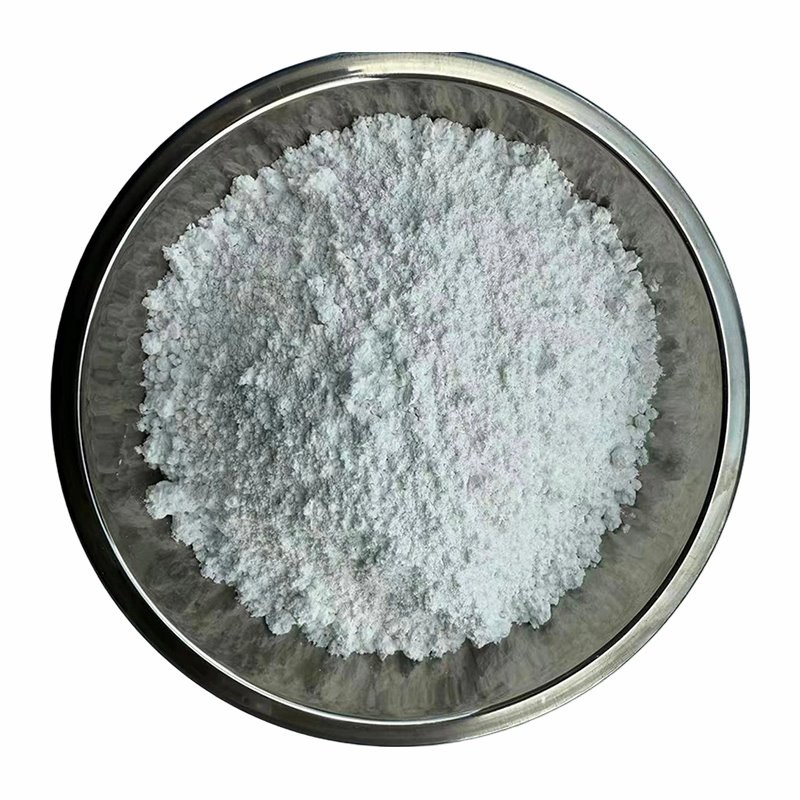

METI focuses on the industrial aspects, ensuring that the production and distribution of the powder are in line with quality and safety standards. Our Electrical Grade Active Silica Powder has been well - received in the Japanese market, thanks to our compliance with their regulations.
Other Countries and Regions
In Australia, the Safe Work Australia agency is responsible for setting workplace health and safety standards for silica dust. They have established exposure standards and require employers to implement control measures.
In South America, countries like Brazil have their own regulatory frameworks. The National Health Surveillance Agency (ANVISA) regulates the safety and quality of chemical products, including Ultrafine Silica Powder.
Why Compliance Matters
As a supplier, compliance with these regulatory requirements is not just a legal obligation; it's also a matter of ethics and business reputation. By ensuring that our Ultrafine Silica Powder meets all the relevant standards in different countries, we can provide our customers with a safe and high - quality product.
Compliance also helps us avoid costly fines and legal issues. It gives our customers peace of mind, knowing that they are using a product that is safe for their workers and the environment.
Contact Us for Purchase and Consultation
If you're in the market for Ultrafine Silica Powder and want a supplier who understands and complies with all the regulatory requirements in different countries, look no further. We're here to provide you with the best products and services. Whether you have questions about the regulatory compliance of our products or want to discuss a potential purchase, don't hesitate to get in touch.
References
- Occupational Safety and Health Administration (OSHA), United States. "Respirable Crystalline Silica Standards".
- European Chemicals Agency (ECHA). "REACH Regulation".
- Ministry of Ecology and Environment (MEE), China. "Environmental Regulations for Chemical Production".
- Ministry of Health, Labour and Welfare (MHLW), Japan. "Occupational Exposure Limits for Silica Dust".
- Safe Work Australia. "Workplace Health and Safety Standards for Silica Dust".
- National Health Surveillance Agency (ANVISA), Brazil. "Regulations for Chemical Products".


