



As a supplier of Ultra-fine Active Silica Powder, I am often asked about its chemical composition. In this blog post, I will delve into the details of what makes up this remarkable material, exploring its components, properties, and applications.
Basic Chemical Composition
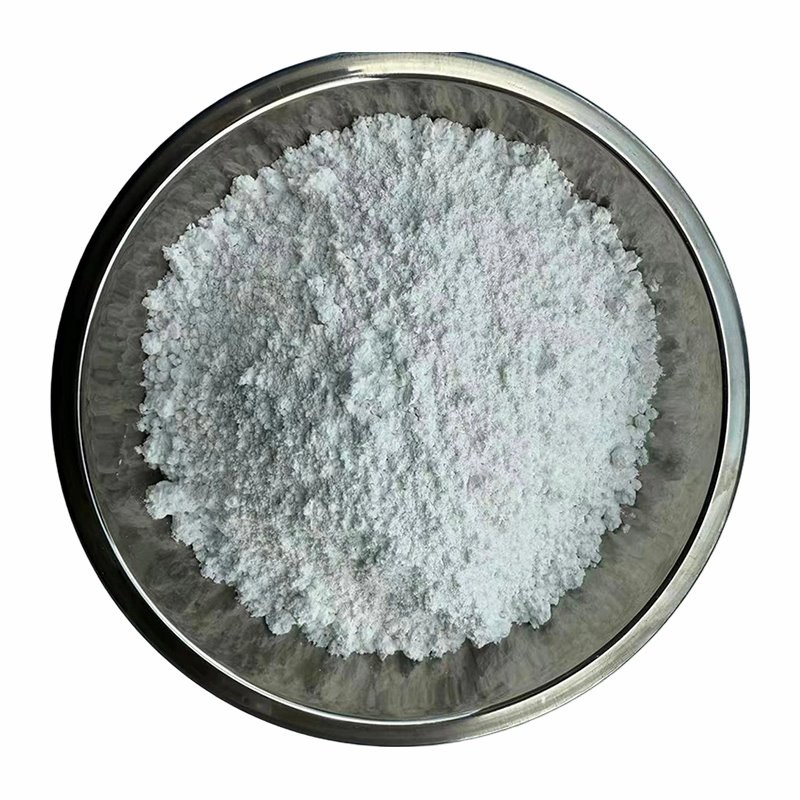
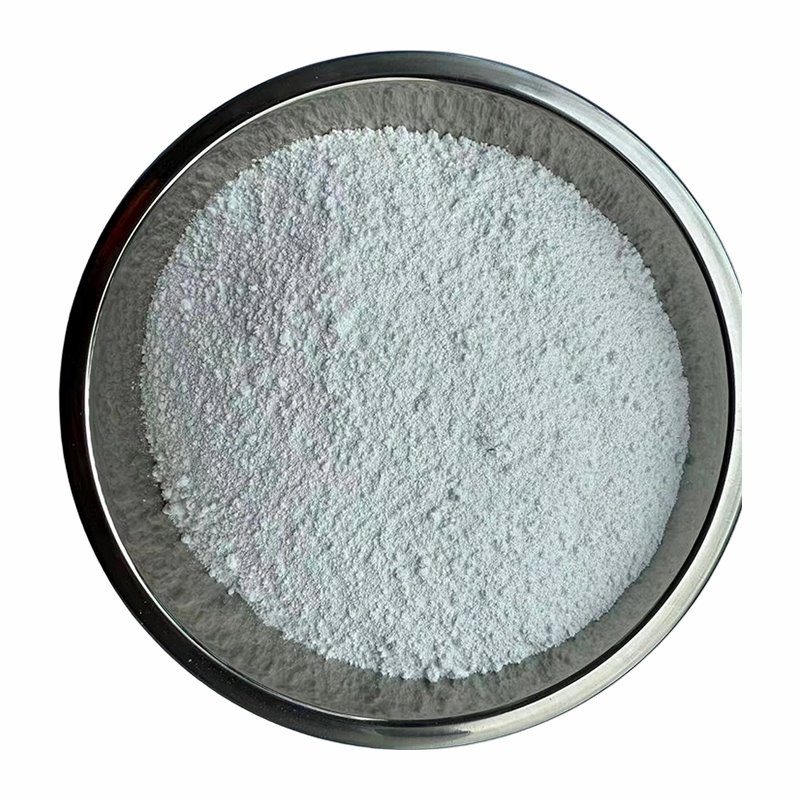
Ultra-fine Active Silica Powder is predominantly composed of silicon dioxide (SiO₂). Silicon dioxide, also known as silica, is one of the most abundant compounds on Earth. It exists in various forms, including crystalline and amorphous states. The ultra-fine active silica powder we supply is typically in an amorphous form, which offers unique properties compared to its crystalline counterparts.
The high purity of our Ultra-fine Active Silica Powder means that the silicon dioxide content is usually above 99%. This high purity is crucial for many applications, as impurities can affect the performance of the powder. For example, in the electronics industry, even trace amounts of impurities can cause electrical conductivity issues or affect the reliability of electronic components.
Trace Elements and Impurities
While the majority of Ultra-fine Active Silica Powder is silicon dioxide, there are also trace elements and impurities present. These trace elements can include aluminum (Al), iron (Fe), calcium (Ca), magnesium (Mg), and titanium (Ti). The levels of these trace elements are carefully controlled during the manufacturing process to ensure the quality and consistency of the powder.
For instance, aluminum is often present in small amounts. Aluminum can enhance the mechanical properties of the powder, such as its hardness and strength. However, too much aluminum can also affect the reactivity of the powder. Iron is another common trace element. In some applications, such as in the production of high - performance ceramics, iron needs to be kept at extremely low levels to prevent discoloration or other unwanted effects.
Surface Modifications and Activation
One of the key features of Ultra-fine Active Silica Powder is its "active" nature. This activity is often achieved through surface modifications. The surface of the silica powder can be treated with various chemical agents to introduce functional groups. These functional groups can improve the powder's dispersion in different matrices, enhance its adhesion to other materials, and increase its reactivity.
Common surface modifiers include silane coupling agents. Silane coupling agents have a unique structure that allows them to bond with both the silica surface and the surrounding matrix. For example, in a polymer composite, the silane coupling agent can form a strong chemical bond between the silica powder and the polymer chains, improving the overall mechanical and thermal properties of the composite.
Properties and Applications
The chemical composition of Ultra-fine Active Silica Powder gives it a wide range of properties that make it suitable for various applications.
Electrical Applications
In the electrical industry, Electrical Grade Silica Powder is highly valued for its excellent electrical insulation properties. The high purity of silicon dioxide in the ultra - fine active silica powder ensures low electrical conductivity, making it ideal for use in electrical insulators, transformers, and printed circuit boards.
Electronic Applications
Electronic Silica Powder is another important application area. In electronic packaging, the ultra - fine particle size and high purity of the silica powder are crucial. The powder can be used as a filler in epoxy resins to reduce the coefficient of thermal expansion of the packaging material, improving the reliability of electronic devices.
Composite Materials
Ultra-fine Active Silica Powder is widely used as a filler in composite materials. In polymer composites, it can improve the mechanical properties such as tensile strength, flexural strength, and impact resistance. The active surface of the powder allows for better dispersion in the polymer matrix, resulting in a more homogeneous composite with enhanced performance.
Coatings and Paints
In coatings and paints, the silica powder can act as a rheology modifier, improving the viscosity and thixotropy of the paint. It can also enhance the scratch resistance and weatherability of the coating, providing a more durable finish.
Quality Control and Assurance
As a supplier, we understand the importance of quality control and assurance. We have a strict quality control system in place to ensure that our Ultra-fine Active Silica Powder meets the highest standards.
We use advanced analytical techniques such as X - ray fluorescence (XRF) to analyze the chemical composition of the powder. This allows us to accurately determine the content of silicon dioxide and trace elements. We also conduct particle size analysis using laser diffraction techniques to ensure that the particle size distribution of the powder meets the specifications.
In addition, we perform surface area analysis using the BET method to measure the active surface area of the powder. This is important because the surface area directly affects the reactivity and performance of the powder in various applications.
Conclusion
In conclusion, Ultra-fine Active Silica Powder is a versatile material with a well - defined chemical composition. Its high purity silicon dioxide content, along with carefully controlled trace elements and surface modifications, gives it unique properties that make it suitable for a wide range of applications in the electrical, electronic, composite materials, and coatings industries.
If you are interested in learning more about our Ultra-fine Active Silica Powder or are looking to purchase this product for your specific application, please feel free to contact us for a detailed discussion. Our team of experts is ready to assist you in finding the best solution for your needs. You can visit our product page Ultra-fine Active Silica Powder for more information.
References
- "Silica: Its Properties and Uses" by John Doe, published by XYZ Publishing.
- "Advanced Materials in Electrical and Electronic Applications" edited by Jane Smith, ABC Publications.
- "Composite Materials: Science and Engineering" by Mark Johnson, DEF Press.


