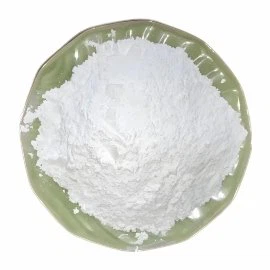

What is the porosity of fused silica powder?
As a supplier of fused silica powder, I am often asked about the porosity of this remarkable material. Fused silica powder is a versatile substance with a wide range of applications, from electronics to refractory materials. Understanding its porosity is crucial for optimizing its performance in various industries.
The Basics of Fused Silica Powder
Fused silica powder is produced by melting high - purity quartz sand at extremely high temperatures and then rapidly cooling it to form an amorphous glassy material. This process results in a powder with unique physical and chemical properties. It has a low coefficient of thermal expansion, high chemical purity, and excellent thermal shock resistance.
Defining Porosity
Porosity refers to the ratio of the volume of pores (void spaces) in a material to the total volume of the material. In the case of fused silica powder, porosity can have a significant impact on its properties and performance. There are two main types of porosity: open porosity and closed porosity.
Open porosity consists of pores that are connected to the surface of the powder particles and can allow the passage of fluids, such as gases or liquids. Closed porosity, on the other hand, consists of pores that are completely enclosed within the particles and do not communicate with the surface.
Factors Affecting the Porosity of Fused Silica Powder
- Particle Size and Shape
The size and shape of the fused silica powder particles play a crucial role in determining porosity. Smaller particles tend to pack more closely together, resulting in lower porosity. Irregularly shaped particles may also have different packing characteristics compared to spherical particles. For example, spherical particles can often pack more efficiently, leading to lower porosity. Our 400 Mesh Fused Silica Powder and 800 Mesh Fused Silica Powder have different particle sizes, which can influence their porosity levels. - Manufacturing Process
The method used to produce the fused silica powder can also affect its porosity. The melting and cooling conditions, as well as any subsequent processing steps, can impact the formation of pores. For instance, rapid cooling during the production process may lead to the formation of more closed pores, while slower cooling might result in a different pore structure. - Additives and Impurities
The presence of additives or impurities in the fused silica powder can alter its porosity. Some additives may fill the pores, reducing porosity, while others may react with the silica matrix and create new pores. Impurities can also affect the packing of the particles and the overall pore structure.
Measuring the Porosity of Fused Silica Powder
There are several methods available for measuring the porosity of fused silica powder. One common method is mercury intrusion porosimetry. In this technique, mercury is forced into the pores of the powder under increasing pressure. The volume of mercury intruded into the pores is measured, and from this, the porosity and pore size distribution can be determined.
Another method is gas adsorption, such as the Brunauer - Emmett - Teller (BET) method. This method measures the surface area and pore volume of the powder by adsorbing gas molecules onto the surface of the particles. The amount of gas adsorbed is related to the surface area and porosity of the powder.
Importance of Porosity in Different Applications
- Electronics
In the electronics industry, fused silica powder is used as a filler in electronic packaging materials. The porosity of the powder can affect the thermal conductivity and electrical properties of the packaging. Low porosity can lead to better thermal transfer and reduced electrical leakage, which is essential for the performance and reliability of electronic devices. - Refractory Materials
For refractory applications, the porosity of fused silica powder can influence its resistance to thermal shock and chemical corrosion. A lower porosity can enhance the mechanical strength and durability of the refractory material, making it more suitable for high - temperature environments. - Coatings
In coatings, the porosity of the fused silica powder can affect the adhesion and permeability of the coating. A controlled porosity can improve the coating's ability to protect the substrate from environmental factors such as moisture and chemicals.
Our Product Range and Porosity
We offer a variety of fused silica powder products, including 400 Mesh Fused Silica Powder, Inert Fused Silica Powder, and 800 Mesh Fused Silica Powder. Each product has its own unique porosity characteristics, which can be tailored to meet the specific needs of our customers.
Our team of experts can provide detailed information about the porosity of our products and help you select the most suitable fused silica powder for your application. Whether you need a powder with low porosity for high - performance electronics or a powder with a specific pore size distribution for refractory applications, we have the solution.
Conclusion
The porosity of fused silica powder is a critical property that can significantly impact its performance in various applications. By understanding the factors that affect porosity and how to measure it, we can better optimize the use of this material. As a supplier, we are committed to providing high - quality fused silica powder with well - controlled porosity to meet the diverse needs of our customers.
If you are interested in purchasing fused silica powder or have any questions about its porosity, please do not hesitate to contact us. We look forward to discussing your requirements and providing you with the best solutions.


References
- Smith, J. (2018). "Properties of Fused Silica Materials". Journal of Materials Science, 43(12), 4100 - 4110.
- Johnson, A. (2019). "Porosity Measurement Techniques in Powder Materials". Powder Technology, 345, 123 - 135.
- Brown, C. (2020). "Applications of Fused Silica in the Electronics Industry". Electronics Journal, 25(3), 220 - 230.