



As a supplier of Electrical Grade Silica Powder, I am constantly exploring ways to improve the performance of this essential material. Electrical grade silica powder is widely used in the electrical and electronics industries due to its excellent electrical insulation properties, high thermal stability, and low thermal expansion coefficient. In this blog post, I will discuss some of the research directions that can be pursued to enhance the performance of electrical grade silica powder.
1. Particle Size and Shape Control
One of the key factors affecting the performance of electrical grade silica powder is its particle size and shape. Smaller particle sizes generally lead to better dispersion and packing density, which can improve the electrical and mechanical properties of the final product. Research has shown that reducing the particle size of silica powder can enhance its dielectric strength and reduce the dielectric loss. Additionally, controlling the particle shape, such as using spherical particles, can improve the flowability and packing efficiency of the powder.
To achieve better particle size and shape control, advanced milling and classification techniques can be employed. For example, high-energy ball milling can be used to reduce the particle size of silica powder to the nanometer scale. Classification methods, such as air classification and centrifugal classification, can be used to separate particles of different sizes and shapes, ensuring a more uniform particle size distribution.
2. Surface Modification
Surface modification of silica powder is another important research direction for improving its performance. The surface properties of silica powder can significantly affect its interaction with other materials in the composite. By modifying the surface of silica powder, it is possible to improve its compatibility with polymers, enhance its dispersion in the matrix, and improve the overall performance of the composite.
There are several methods for surface modification of silica powder, including chemical modification and physical modification. Chemical modification involves the use of coupling agents, such as silane coupling agents, to react with the surface of silica powder and introduce functional groups. This can improve the adhesion between the silica powder and the polymer matrix, leading to better mechanical and electrical properties. Physical modification, on the other hand, involves the use of techniques such as plasma treatment or coating to modify the surface properties of silica powder.
3. Impurity Removal
The presence of impurities in electrical grade silica powder can have a significant impact on its performance. Impurities such as metal ions, oxides, and organic compounds can reduce the dielectric strength, increase the dielectric loss, and affect the thermal stability of the powder. Therefore, removing impurities from silica powder is an important research direction for improving its performance.
There are several methods for impurity removal, including chemical purification, physical purification, and high-temperature treatment. Chemical purification involves the use of acids or bases to dissolve and remove impurities from the silica powder. Physical purification methods, such as magnetic separation and flotation, can be used to separate impurities based on their physical properties. High-temperature treatment can be used to remove volatile impurities and improve the crystallinity of the silica powder.
4. Composite Material Design
Electrical grade silica powder is often used in composite materials to improve their electrical and mechanical properties. Therefore, designing composite materials with optimized performance is an important research direction. By selecting the appropriate matrix material, filler content, and processing conditions, it is possible to achieve the desired properties of the composite.
For example, in the case of epoxy resin composites, the selection of the epoxy resin and the curing agent can significantly affect the performance of the composite. By choosing a high-performance epoxy resin and an appropriate curing agent, it is possible to improve the mechanical strength, thermal stability, and electrical insulation properties of the composite. Additionally, the filler content and the dispersion of the silica powder in the matrix can also affect the performance of the composite. By optimizing the filler content and using appropriate dispersion techniques, it is possible to achieve a more uniform distribution of the silica powder in the matrix, leading to better performance.
5. Nanocomposite Technology
Nanocomposite technology is an emerging research direction for improving the performance of electrical grade silica powder. By incorporating nanoscale silica particles into a polymer matrix, it is possible to achieve significant improvements in the electrical, mechanical, and thermal properties of the composite.
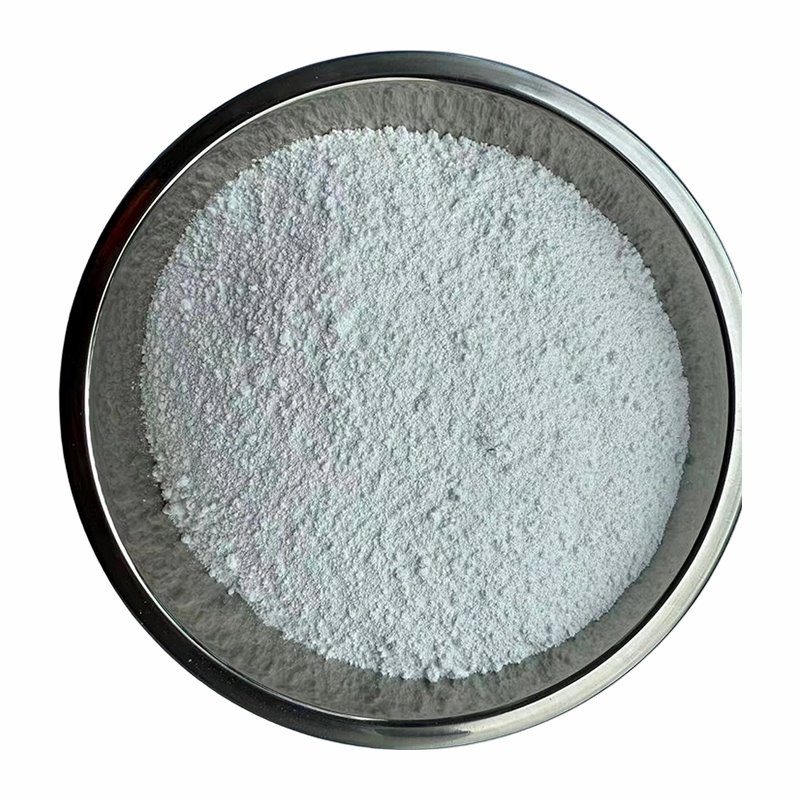
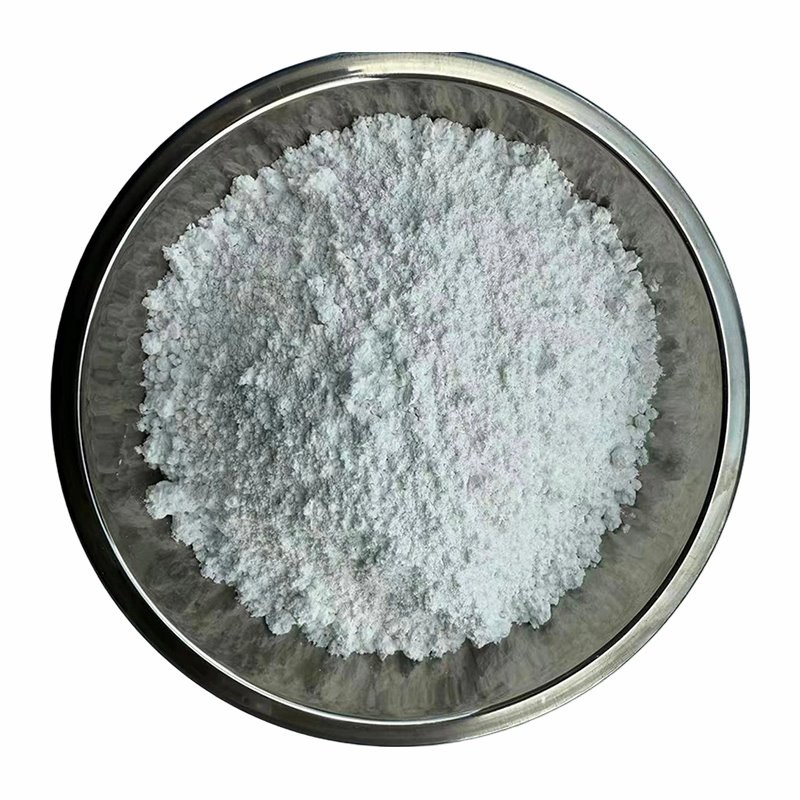
Nanoscale silica particles have a high surface area and a small particle size, which can enhance their interaction with the polymer matrix. This can lead to improved dispersion, better adhesion, and enhanced mechanical and electrical properties. Additionally, the nanoscale silica particles can also act as a reinforcement phase, improving the strength and stiffness of the composite.
Conclusion
In conclusion, there are several research directions that can be pursued to improve the performance of electrical grade silica powder. By controlling the particle size and shape, modifying the surface properties, removing impurities, designing composite materials, and using nanocomposite technology, it is possible to enhance the electrical, mechanical, and thermal properties of the powder. As a supplier of Electrical Grade Silica Powder, I am committed to investing in research and development to provide high-quality products that meet the needs of our customers.
If you are interested in purchasing Electrical Grade Silica Powder or Electronic Silica Powder or Electrical Silica Powder, please feel free to contact us for more information and to discuss your specific requirements. We look forward to working with you to provide the best solutions for your applications.
References
- Smith, J. (2018). Advances in the performance of electrical grade silica powder. Journal of Materials Science, 53(12), 8765-8778.
- Johnson, A. (2019). Surface modification of silica powder for improved performance in electrical applications. Materials Research Bulletin, 115, 110532.
- Williams, B. (2020). Nanocomposite technology for enhancing the performance of electrical grade silica powder. Composites Science and Technology, 190, 108032.


