


In the dynamic landscape of the ceramic industry, active silica powder stands as a crucial raw material, playing a pivotal role in enhancing the quality and performance of ceramic products. As a leading supplier of active silica powder, I am often asked about the price of this essential ingredient. In this blog post, I will delve into the factors that influence the price of active silica powder for the ceramic industry and provide insights into the cost structure.
Understanding Active Silica Powder
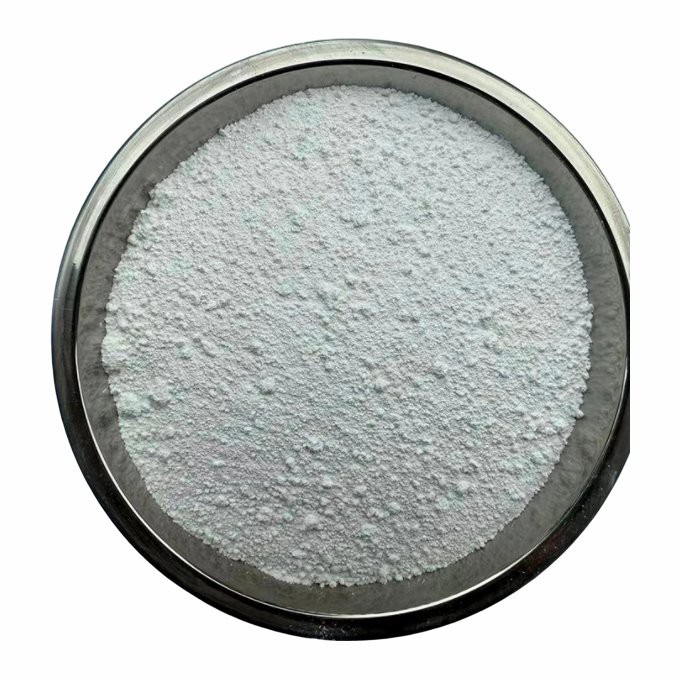
Active silica powder is a high - purity form of silica that has been processed to increase its reactivity. It is commonly used in the ceramic industry due to its ability to improve the mechanical properties, thermal stability, and chemical resistance of ceramic products. The powder can be sourced from various materials, such as quartz sand, and is processed through a series of steps including grinding, purification, and activation.
Factors Affecting the Price of Active Silica Powder
Purity
One of the most significant factors influencing the price of active silica powder is its purity. Higher purity levels generally command a higher price. In the ceramic industry, purity is crucial as it directly impacts the quality of the final ceramic product. For instance, a ceramic product used in high - end applications, such as electronic components or advanced tableware, requires active silica powder with a very high purity level. Suppliers invest a great deal of time and resources in purification processes to achieve these high purity levels, which in turn increases the cost of production and, subsequently, the price of the powder.
Particle Size
The particle size of active silica powder also plays a vital role in determining its price. Different ceramic applications require different particle sizes. For example, 2000 Mesh Active Silica Powder has a very fine particle size, which makes it suitable for applications where a smooth surface finish and high reactivity are required, such as in the production of high - quality porcelain. On the other hand, 400 Mesh Active Silica Powder has a coarser particle size and is often used in applications where strength and durability are more important, like in the manufacturing of bricks and tiles. Producing powders with specific particle sizes requires specialized equipment and precise control of the grinding process, which can increase the production cost and price.
Activation Process
The activation process is another factor that affects the price. Activation enhances the reactivity of the silica powder, making it more effective in ceramic production. There are different methods of activation, and each method has its own cost implications. Some activation processes are more energy - intensive or require the use of expensive chemicals, which can drive up the price of the active silica powder.
Market Demand and Supply
Like any other commodity, the price of active silica powder is also influenced by market demand and supply. When the demand for ceramic products is high, the demand for active silica powder also increases. If the supply cannot keep up with the demand, the price will rise. Conversely, if there is an oversupply of active silica powder in the market, the price may decrease. Additionally, factors such as seasonal variations in the ceramic industry, economic conditions, and changes in consumer preferences can all impact the market demand and supply of active silica powder.
Cost Structure of Active Silica Powder
Raw Material Cost
The cost of raw materials is a fundamental component of the price of active silica powder. The quality and availability of the raw materials, such as quartz sand, can vary significantly. High - quality quartz sand with low impurities is more expensive. Moreover, the location of the raw material source can also affect the cost, as transportation costs need to be considered.
Production Cost
Production costs include expenses related to grinding, purification, activation, and packaging. As mentioned earlier, achieving high purity levels and specific particle sizes requires advanced equipment and skilled labor, which contribute to the overall production cost. Energy costs for running the production facilities also play a significant role, especially in energy - intensive processes like activation.
Marketing and Distribution Cost
Marketing and distribution costs are also factored into the price. Suppliers need to promote their products to reach potential customers in the ceramic industry. This includes activities such as attending trade shows, advertising, and maintaining a sales team. Distribution costs involve transporting the active silica powder from the production facility to the customers, which can vary depending on the distance and the mode of transportation.
Price Range of Active Silica Powder
The price of active silica powder for the ceramic industry can vary widely depending on the factors mentioned above. Generally, lower - grade active silica powder with coarser particle sizes and lower purity levels can be relatively inexpensive, starting from a few hundred dollars per ton. On the other hand, high - purity, fine - particle - size active silica powder, such as 1500 Mesh Active Silica Powder with high reactivity, can cost several thousand dollars per ton.
It is important to note that these prices are subject to change over time due to fluctuations in market conditions, raw material prices, and production costs.
Choosing the Right Supplier
When purchasing active silica powder for the ceramic industry, it is crucial to choose the right supplier. A reliable supplier should be able to provide high - quality products at a competitive price. They should also have a good reputation in the market, with a track record of delivering products on time and providing excellent customer service. Additionally, a good supplier should be able to offer technical support and advice on the appropriate use of the active silica powder in ceramic production.
Conclusion
The price of active silica powder for the ceramic industry is determined by a complex interplay of factors, including purity, particle size, activation process, market demand and supply, raw material cost, production cost, and marketing and distribution cost. As a supplier, I understand the importance of providing high - quality active silica powder at a reasonable price to meet the diverse needs of the ceramic industry.

If you are in the ceramic industry and are interested in purchasing active silica powder, I encourage you to reach out to me for more information. I can provide detailed product specifications, pricing information, and samples to help you make an informed decision. Let's start a conversation about how my active silica powder can enhance the quality and performance of your ceramic products.
References
- Ceramic Industry Handbook: A comprehensive guide on ceramic materials and production processes.
- Journal of Advanced Ceramic Materials: Publications on the latest research and development in the field of ceramic materials, including the use of active silica powder.
- Market Research Reports on the Global Ceramic Industry: Analyses of market trends, demand, and supply of ceramic products and related raw materials.


