


Activated silica powder, as a high-performance inorganic non-metallic material, holds significant scientific significance and application value in modern science and technology.Its unique physicochemical properties, such as high purity, excellent pozzolanic activity, good dispersibility, and filling properties, make it a key player in a wide range of fields, including materials science, electronic engineering, and building materials.
From a materials science perspective, the microstructure of activated silica powder enables it to significantly improve the mechanical properties and durability of composite materials. In cementitious materials, activated silica powder undergoes a secondary hydration reaction with calcium hydroxide to produce more calcium silicate hydrate (C-S-H) gel, thereby increasing the strength and density of concrete, reducing porosity, and enhancing impermeability and corrosion resistance. This property makes it an indispensable admixture for high-performance concrete, driving the development of modern civil engineering towards greater durability and lighter weight.
In the field of electronic packaging materials, the high purity and excellent sphericity of activated silica powder make it a key material for integrated circuit packaging and copper-clad laminate fillers. Due to its extremely low oil absorption and excellent fluidity, activated silica powder can effectively improve the thermal conductivity and insulation properties of matrix materials such as epoxy resins, while also reducing the coefficient of thermal expansion, ensuring stable operation of electronic devices in high-temperature environments. Furthermore, surface modification techniques for activated silica powder have further expanded its application in advanced composite materials, such as high-temperature-resistant coatings and wear-resistant materials in the aerospace industry.
From a scientific research perspective, the preparation process and activation mechanism of activated silica powder remain important research topics in materials chemistry. By controlling calcination temperature, surface treatment, and dispersion techniques, its activity can be optimized, thereby enhancing its performance in various applications. For example, chemical surface modification methods (such as silane coupling agent treatment) can enhance its compatibility with organic matrices, expanding its potential for application in polymer composites.
In summary, activated silica powder not only has significant value in engineering applications, but its scientific significance also lies in promoting fundamental research in areas such as material microstructure control, interfacial chemistry, and the design of high-performance composites. With advances in nanotechnology and green preparation processes, the scientific exploration and application prospects of activated silica powder will be even broader.
The Scientific Significance Of Activated Silica Powder
Popular Products

Electrical Grade Treated Silica Powder
Electrical Grade Treated Silica Powder is a deep-processed version of our electrical-grade product. It starts with the
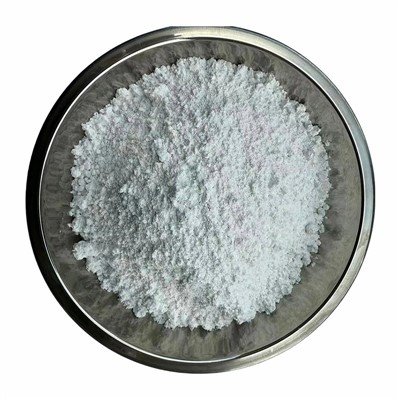
Electronic Grade Active Silica Powder
Electronic Grade Active Silica Powder is an upgraded product. It starts with Electronic Grade Silica Powder. Then we

Electronic Grade Silica Powder
Electronic Grade Silica Powder is one of the most critical materials in electronic packaging and component

Quartz Powder For Ceramics
Quartz Powder for Ceramics is one of the most important raw materials in the ceramic industry. Its quality directly
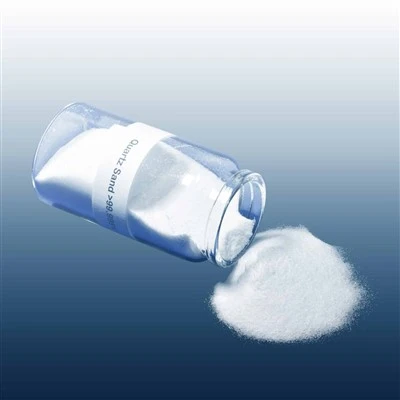
High Purity Quartz Filler
High Purity Quartz Filler is for applications that demand very high purity. In these cases, regular industrial fillers
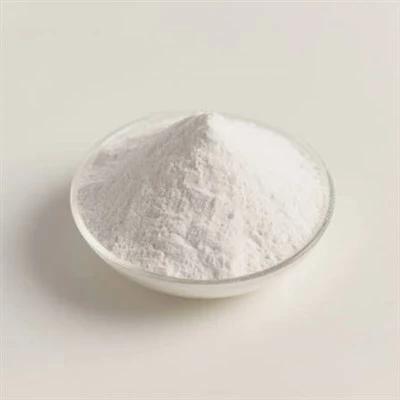
Silica Powder For Composite Materials
Silica Powder for Composite Materials is a special product for the composites industry. The demand for fillers in this