



As a supplier of Electrical Grade Active Silica Powder, I've witnessed firsthand the critical role that specific gravity plays in the performance of electrical composites. In this blog, I'll delve into how the specific gravity of this powder affects its use in electrical composites, exploring the technical aspects, practical implications, and the benefits it brings to various applications.
Understanding Specific Gravity in Electrical Grade Active Silica Powder
Specific gravity is a fundamental physical property that measures the density of a substance relative to the density of water. In the context of Electrical Grade Active Silica Powder, it indicates how heavy the powder is compared to an equal volume of water. This property is crucial because it directly influences the behavior of the powder when incorporated into electrical composites.
The specific gravity of Electrical Grade Active Silica Powder can vary depending on factors such as the source of the silica, the manufacturing process, and the particle size distribution. Generally, a higher specific gravity means that the powder is denser, which can have both positive and negative effects on the performance of electrical composites.
Impact on Mechanical Properties
One of the primary ways in which specific gravity affects the use of Electrical Grade Active Silica Powder in electrical composites is through its impact on mechanical properties. When the powder is added to a polymer matrix to form a composite, it can enhance the mechanical strength and stiffness of the material. A higher specific gravity powder tends to provide better reinforcement, as it can more effectively distribute stress within the composite.
For example, in high-voltage insulators, where mechanical strength is crucial to withstand environmental stresses and electrical loads, using a silica powder with a higher specific gravity can improve the overall durability and reliability of the insulator. The denser powder particles can fill the voids in the polymer matrix more effectively, reducing the likelihood of crack propagation and improving the resistance to mechanical deformation.
However, it's important to note that a very high specific gravity can also make the composite heavier, which may not be desirable in applications where weight is a critical factor. In such cases, a balance needs to be struck between the mechanical performance and the weight of the composite.
Influence on Electrical Properties
The specific gravity of Electrical Grade Active Silica Powder can also have a significant impact on the electrical properties of composites. Silica is an excellent electrical insulator, and when incorporated into a composite, it can improve the dielectric strength and insulation resistance of the material.
A higher specific gravity powder can enhance these electrical properties by providing a more continuous and dense insulating network within the composite. This can help to reduce the risk of electrical breakdown and improve the overall electrical performance of the composite. For instance, in electrical cables, where high insulation resistance is essential to prevent power loss and ensure safe operation, using a silica powder with a suitable specific gravity can enhance the cable's electrical insulation properties.
On the other hand, the specific gravity can also affect the thermal conductivity of the composite. A higher specific gravity powder may have a lower thermal conductivity, which can be beneficial in applications where heat dissipation is not a major concern. However, in some cases, such as in power electronics where efficient heat transfer is required, a lower specific gravity powder may be preferred to improve the thermal performance of the composite.
Effect on Processing and Dispersion
The specific gravity of Electrical Grade Active Silica Powder can also influence the processing and dispersion of the powder in the composite. A higher specific gravity powder may settle more quickly during the mixing process, which can lead to uneven distribution of the powder in the composite. This can result in variations in the mechanical and electrical properties of the final product.
To overcome this issue, proper mixing techniques and the use of dispersing agents may be required to ensure uniform dispersion of the powder in the polymer matrix. Additionally, the specific gravity of the powder can affect the viscosity of the composite during processing. A higher specific gravity powder may increase the viscosity of the mixture, making it more difficult to process. This can require adjustments to the processing parameters, such as temperature and pressure, to ensure proper flow and molding of the composite.
Considerations for Different Applications
The impact of specific gravity on the use of Electrical Grade Active Silica Powder in electrical composites can vary depending on the specific application. Here are some examples of different applications and the considerations regarding specific gravity:

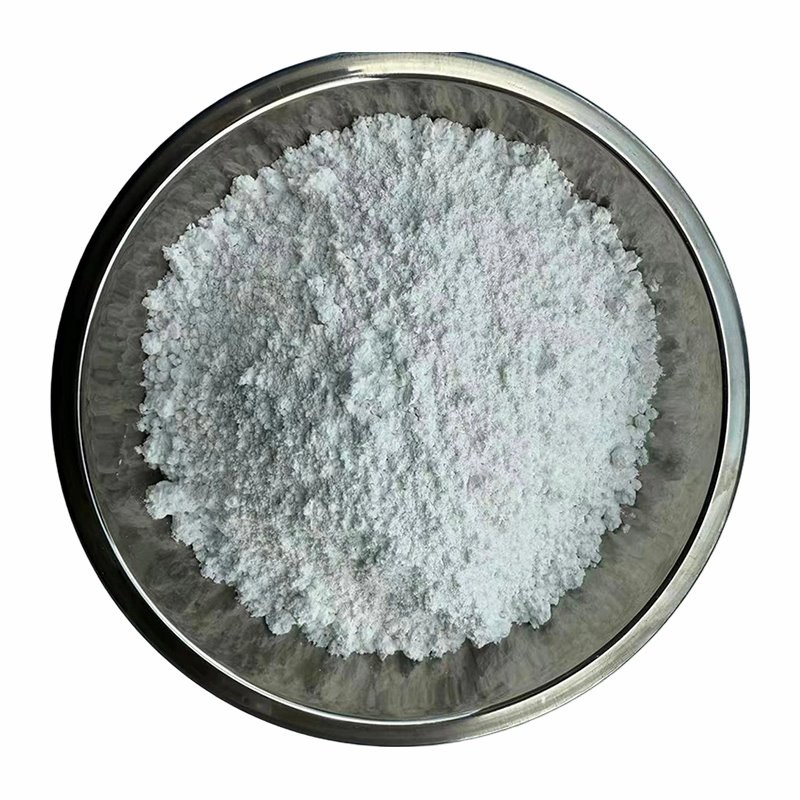
- High-voltage transformers: In high-voltage transformers, where electrical insulation and mechanical strength are critical, a silica powder with a relatively high specific gravity may be preferred to enhance the dielectric strength and mechanical performance of the composite insulation materials.
- Printed circuit boards (PCBs): For PCBs, where weight and electrical performance are both important, a silica powder with a moderate specific gravity may be used to achieve a balance between mechanical reinforcement and electrical insulation. The powder should also have good dispersion properties to ensure uniform distribution in the PCB laminate.
- Power cables: In power cables, the specific gravity of the silica powder can affect the cable's flexibility, weight, and electrical insulation properties. A powder with a suitable specific gravity can help to improve the cable's performance while keeping the weight within acceptable limits.
Choosing the Right Specific Gravity
When selecting Electrical Grade Active Silica Powder for a particular application, it's essential to consider the specific requirements of the application and choose a powder with the appropriate specific gravity. As a supplier, we offer a range of Electrical Grade Silica Powder products with different specific gravities to meet the diverse needs of our customers.
Our Ultra-fine Active Silica Powder and Ultrafine Silica Powder are carefully engineered to provide optimal performance in electrical composites. We can work closely with our customers to understand their specific requirements and recommend the most suitable product based on factors such as specific gravity, particle size, and surface treatment.
Conclusion
In conclusion, the specific gravity of Electrical Grade Active Silica Powder plays a crucial role in its use in electrical composites. It affects the mechanical and electrical properties of the composites, as well as the processing and dispersion of the powder. By understanding the impact of specific gravity and choosing the right powder for a particular application, manufacturers can optimize the performance of their electrical composites and ensure the reliability and durability of their products.
If you're interested in learning more about our Electrical Grade Active Silica Powder products or discussing your specific requirements, please don't hesitate to contact us. We're committed to providing high-quality products and excellent customer service, and we look forward to working with you to meet your needs.
References
- [1] "Handbook of Electrical Insulating Materials", edited by J. D. Smit and J. P. A. M. van der Putten.
- [2] "Polymer Composites for Electrical Engineering", by A. J. Kinloch and R. J. Young.
- [3] "Silica in Polymer Composites: Processing, Properties and Applications", edited by A. K. Bhowmick and H. L. Stephens.


