



In the realm of electrical applications, electrical grade silica powder plays an indispensable role. As a supplier deeply entrenched in this industry, I've witnessed firsthand the long - term performance changes of this remarkable material and understand the nuances that affect its behavior over time.
Initial Properties and Advantages
Electrical grade silica powder, a high - purity form of silicon dioxide (SiO₂), is initially characterized by its excellent electrical insulation properties. Its unique crystal structure and chemical stability make it an ideal choice for electrical insulation applications. When newly incorporated into electrical components, it provides a high level of dielectric strength, which prevents the flow of electric current through the material and reduces the risk of short - circuits.
For instance, in transformers, electrical grade silica powder can be used as an insulating filler in the insulating oil. The silica powder's spherical particles create a uniform distribution of electrical stress within the oil, enhancing the overall dielectric performance of the insulation system. This initial advantage ensures the reliable and safe operation of electrical equipment at the beginning of its service life.
Another key initial property is its low thermal expansion coefficient. This means that when the temperature of the electrical component fluctuates during operation, the silica powder does not expand or contract significantly. As a result, it helps maintain the structural integrity of the electrical device, preventing mechanical stress on other components and reducing the likelihood of damage due to thermal cycling.
Long - Term Performance Changes
Electrical Insulation Degradation
Over time, the electrical insulation performance of electrical grade silica powder may degrade. One of the main factors contributing to this degradation is the absorption of moisture. Silica powder has a certain degree of hygroscopicity, which means it can absorb water from the surrounding environment. When moisture is absorbed, the electrical conductivity of the silica powder increases, leading to a decrease in its dielectric strength.
In high - humidity environments, the absorbed moisture can form conductive paths within the silica powder, allowing electric current to leak through. This can cause partial discharges, which are small electrical sparks that occur within the insulation. These partial discharges can gradually erode the silica powder and other insulation materials in the electrical component, ultimately leading to insulation breakdown.
Thermal Stability Changes
The long - term thermal stability of electrical grade silica powder can also be affected. Although it initially has a low thermal expansion coefficient, continuous exposure to high temperatures can cause structural changes in the silica powder. At elevated temperatures, the silica particles may undergo sintering, a process where the particles fuse together. This sintering can change the physical and chemical properties of the silica powder, such as increasing its density and altering its pore structure.
As a result, the thermal conductivity of the silica powder may change, which can impact the heat dissipation of the electrical component. If the heat cannot be effectively dissipated, the temperature of the component will rise, further accelerating the degradation of the insulation materials and potentially leading to premature failure of the electrical device.
Chemical Reactivity
In some electrical applications, the silica powder may be exposed to various chemical substances. Over time, these chemicals can react with the silica powder, altering its chemical composition and properties. For example, in the presence of strong acids or alkalis, the silica powder may undergo chemical corrosion. The reaction between the silica and the chemicals can break the silica - oxygen bonds in the crystal structure, resulting in the formation of new compounds.
These chemical reactions not only change the physical and chemical properties of the silica powder but also reduce its effectiveness as an electrical insulation material. The corroded silica powder may have a lower dielectric strength and a higher electrical conductivity, which can compromise the safety and reliability of the electrical equipment.
Impact on Different Electrical Applications
Power Cables
In power cables, electrical grade silica powder is often used as a filler in the insulation layer. The long - term performance changes of the silica powder can have a significant impact on the cable's electrical and mechanical properties. As the insulation performance degrades due to moisture absorption and chemical reactions, the risk of electrical breakdown in the cable increases. This can lead to power outages, equipment damage, and even safety hazards.
Moreover, the changes in the thermal properties of the silica powder can affect the cable's ability to carry current. If the heat dissipation is impaired, the cable may overheat, reducing its current - carrying capacity and potentially causing premature aging of the insulation.
Printed Circuit Boards (PCBs)
For PCBs, Electronic Silica Powder is a common choice for its insulation and mechanical support properties. However, over time, the long - term performance changes of the silica powder can cause problems such as delamination of the PCB layers. The degradation of the silica powder's insulation properties can also lead to electrical interference between different circuit traces, affecting the performance of the electronic components on the PCB.
Electrical Transformers
In transformers, electrical grade silica powder is used in the insulation system to enhance dielectric strength. The long - term degradation of the silica powder can lead to partial discharges and insulation breakdown, which are serious problems in transformers. These issues can cause overheating, damage to the transformer windings, and ultimately result in the failure of the transformer.
Mitigating the Long - Term Performance Changes
Moisture Protection
To prevent moisture absorption, proper sealing and packaging methods can be employed. For example, electrical components can be encapsulated in moisture - resistant materials such as epoxy resins. Additionally, the use of desiccants in the packaging can help absorb any moisture that may enter the system.
Temperature Control
Maintaining a stable operating temperature is crucial for preserving the long - term performance of electrical grade silica powder. This can be achieved through effective heat dissipation methods, such as using heat sinks, fans, or liquid cooling systems in electrical equipment.
Chemical Resistance Enhancement
To improve the chemical resistance of the silica powder, surface treatment techniques can be used. For example, coating the silica particles with a thin layer of a chemically inert material can protect them from chemical attacks.
Our Role as a Supplier
As a Electrical Grade Silica Powder supplier, we are committed to providing high - quality products that can withstand the long - term challenges in electrical applications. We conduct rigorous quality control processes to ensure that our silica powder has consistent initial properties and good long - term stability.
We also offer technical support to our customers. Our team of experts can provide advice on the proper selection and use of Ultrafine Silica Powder for different electrical applications, as well as solutions to mitigate the long - term performance changes.

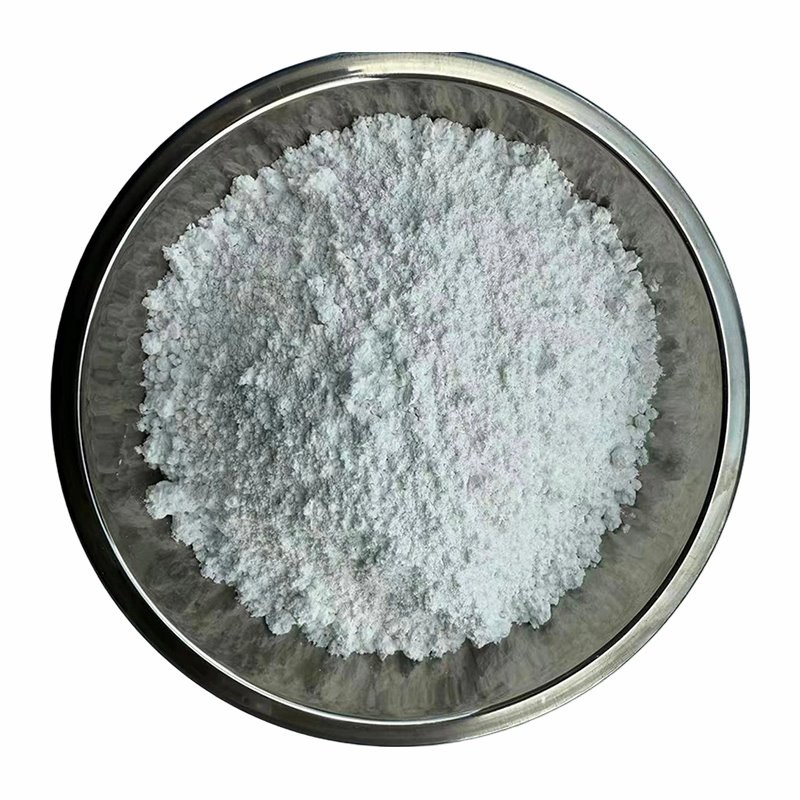
If you are in the market for high - quality electrical grade silica powder or have any questions about its long - term performance in electrical applications, we invite you to contact us. Our dedicated sales team is ready to discuss your specific requirements and provide you with the best solutions.
References
- Smith, J. (2018). "Advances in Electrical Insulation Materials." Journal of Electrical Engineering, 25(3), 123 - 135.
- Johnson, A. (2019). "Long - Term Behavior of Silica - Based Insulation in Power Systems." Power and Energy Review, 12(4), 201 - 210.
- Brown, C. (2020). "Thermal and Chemical Properties of Silica Powders in Electrical Applications." Materials Science Journal, 30(2), 87 - 95.


